
AMD Radeon RX 9060 vs. RTX 5060: Benchmark Comparison and Value Breakdown
Market momentum shifting as RX 9060 and RTX 5060 establish new efficiency standards across competitive graphics performance tiers
Hardware by Masaru Hoshino on Nov 19, 2025
The Radeon RX 9060 XT poses a bit of a dilemma for potential buyers, mainly since its several versions have inconsistent names. The model is available in two versions: 16GB and 8GB. However, the performance and future viability of these systems are not the same. The 16GB version is the sweet spot, offering the best blend of performance and longevity.
The 8GB model, however, falls short. Even with these differences, the shared name can confuse consumers who are only looking at brand recognition. Simultaneously, the RX 9060 XT remains a top contender for those building a budget system, offering excellent value.
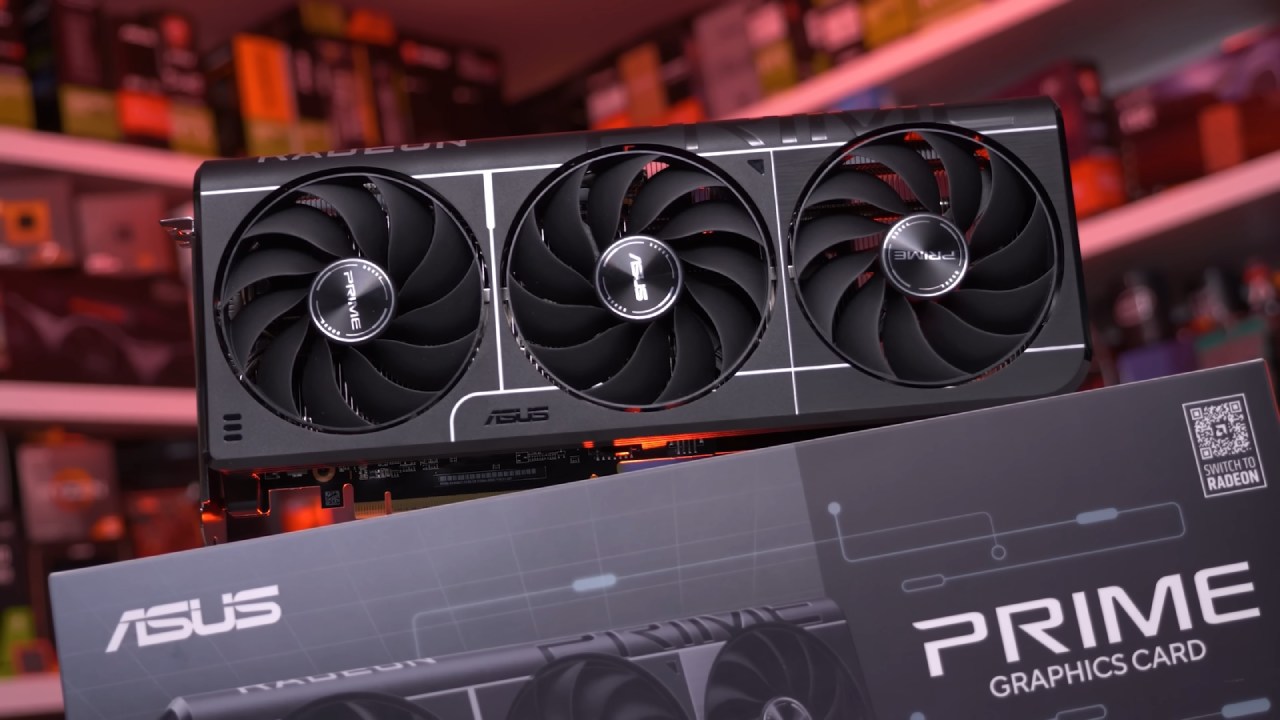
The 16GB model typically sells around its $350 MSRP, and the 8GB version often drops to around $280. However, it is not recommended unless your primary concern is paying the lowest possible price. Ideally, there should never have been two RX 9060 XT models with identical naming.
A single 16GB RX 9060 XT would have made sense, while the 8GB version could have been called RX 9060 with possible core reductions. AMD chose a different route because it allowed them to push binned Navi 44 dies into OEM systems at higher margins.
This led to the quiet launch of the RX 9060 as an OEM-only product available exclusively through select system integrators, meaning it cannot be purchased as a standalone retail GPU. Because of that restriction, a complete pre-built system had to be purchased to evaluate its performance.
Specifications and Configuration Differences
The RX 9060 uses the same Navi 44 architecture as the RX 9060 XT but arrives as a cut-down version. Core count drops by 13% from 2048 to 1792, clock speeds are 4.5% lower, and memory is limited to 8GB of GDDR6 at 18 Gbit/s, reducing bandwidth from 320GB/s to 288GB/s. This amounts to a 10% bandwidth loss over the RX 9060 XT. The TBP also decreases to 132W, which is 12% lower than the RX 9060 XT 8GB version.
One meaningful strength that remains is the full PCIe 5.0 x16 interface, which helps in scenarios where 8GB of VRAM becomes a limitation. With no official MSRP, pricing had to be extrapolated from the cost of a comparable system. That estimate suggests the RX 9060 would likely fall around $260, though without open retail sales, this remains an estimate.
Game Performance and Benchmarks
The RX 9060 was tested in a 9800X3D system at 1080p and 1440p using medium and ultra presets. Most titles showed a consistent 13–17% disadvantage versus the RX 9060 XT and similar performance to the RTX 5060. In Rainbow Six Siege at medium, the RX 9060 was up to 17% slower than the RX 9060 XT and slightly below the RTX 5060 while still performing significantly better than the RX 7600.
At Ultra Plus, similar margins appeared. In Horizon Zero Dawn Remastered on the medium preset, the RX 9060 was only 10% slower than the XT and edged out the RTX 5060. Using the Very High preset, which exceeds 8GB of VRAM at 1080p, the RX 9060 avoided catastrophic drops thanks to its full PCIe x16 interface. At the same time, the RTX 5060 became nearly unusable. The RX 9060 finished only 8–9% behind the RX 9060 XT in that situation.
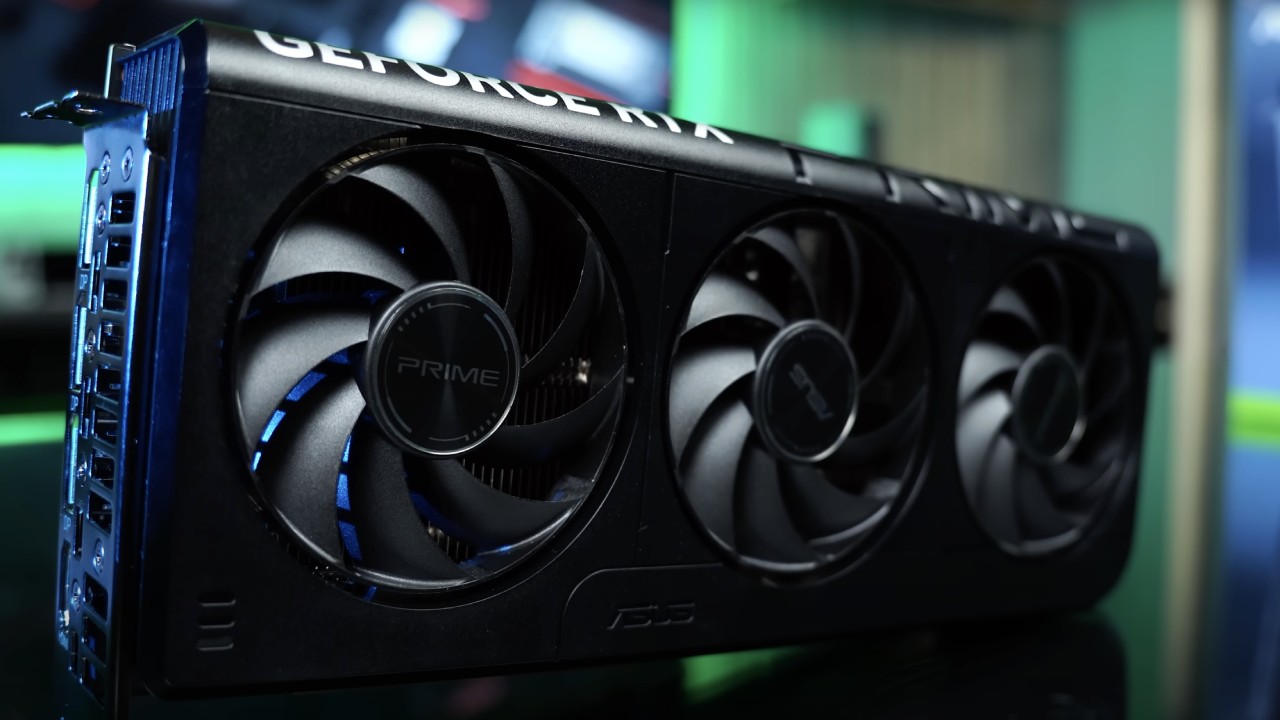
Kingdom Come Deliverance 2 consistently showed a 15–17% deficit to the RX 9060 XT and only a slight improvement over the RX 7600. Cyberpunk 2077 at low settings placed the RX 9060 around 16–17% behind the XT, while at high settings it sometimes fell slightly below the RTX 5060.
Space Marine 2 produced a 12–16% gap versus the XT while maintaining a meaningful lead over the RX 7600. Shadow of the Tomb Raider showed an 11–15% gap across resolutions, though both RX 9060 and RX 9060 XT trailed the RTX 5060. Call of Duty Black Ops 6 yielded the largest generational gap, with the RX 9060 coming in 16–20% slower than the XT model. Still, AMD's advantage in that franchise allowed the RX 9060 to outperform the RTX 5060 by a comfortable margin.
Average Performance and Thermal Behavior
In the seven games we ran, the RX 9060's performance was nearly identical to that of the RTX 5060. It didn't quite keep pace with the RX 9060 XT, falling short by 13–14% in performance. Simultaneously, it routinely outperformed the RX 7600, delivering gains of 23% to 29% across resolutions and settings. The tested XFX Swift Gaming Edition of the RX 9060 performed very well thermally.
During a one-hour load inside a closed ATX case at 21°C, the GPU hotspot reached only 79°C, the VRMs also peaked at 79°C, and the memory hit 74°C while maintaining a quiet 1000RPM fan speed. This performance qualifies as cool and quiet for a compact dual-fan design.

Naming Issues and Purchasing Considerations
The RX 9060 generally lags the RX 9060 XT 8GB by about 13–14% in terms of performance. To make it a worthwhile buy, the price difference needs to be at least 15%. The main problem is ensuring that consumers don't mistakenly pay for an RX 9060 XT when they're actually getting an RX 9060.
This is especially difficult to check in pre-built systems. The larger issue also encompasses AMD's approach to product naming. Two RX 9060 XT models exist with radically different VRAM capacities, and now an OEM-only RX 9060 adds another layer of confusion. Most buyers researching "RX 9060 XT" performance will find content focused on the superior 16GB version, leading them to form inaccurate expectations when they unknowingly buy the 8GB variant.
A better naming system would have prevented this problem. A straightforward lineup of a 16GB RX 9060 XT, then an 8GB RX 9060, and finally a more budget-conscious RX 9050, would have made things clear and easy for buyers. The current arrangement increases the chance that purchasers may mistakenly choose the wrong model.
For anyone evaluating the RX 9060 now or in the future, whether in pre-built systems or secondhand sales, it is essential to verify that pricing is at least 15% lower than the cost of an RX 9060 XT 8GB. If that requirement is not met, the XT version remains the clearly superior long-term choice.
Also, check our other AMD articles:
- AMD Ryzen 9 9950X3D Review: Setting The Standard For 2025 Gaming CPU
- AMD Ryzen 7 9800X3D Review: 3D V-Cache Goes God Mode with Stunning Gaming Performance
- AMD RX 9070 Performance Review: Thermals, Clocks, and Real-World FPS
- AMD Ryzen 5 7600 Review: Best Budget Gaming CPU of 2025?
- AMD Radeon RX 7800 XT Review: RDNA 3 Power For Midrange Gaming
- Sapphire NITRO+ AMD Radeon RX 9070 XT Review: The Ultimate 4K Gaming GPU
- AMD Ryzen 7 7800X3D: Delivers Gaming Performance Far Beyond Expectations
- AMD Ryzen 9 7900X Review: Powering the AM5 Era with DDR5 & PCIe 5.0
- ASRock Radeon RX 7800 XT Challenger OC Review: Best Price-to-Performance GPU of 2025
- Intel Core i9‑14900K vs. AMD Ryzen 7 7800X3D: Power Profiles & Gaming Benchmarks
Editor, NoobFeed
Gaming Hardware Updates
No Data.