
Ryzen Z1 Extreme vs Z2 Extreme vs Intel Panther Lake X9 388H Performance
Intel Panther Lake shows strong CPU and iGPU scaling at 17w and 25w in modern handheld gaming workloads
Hardware by Tanvir Kabbo on Jan 30, 2026
The next generation of handheld gaming technology will be much more powerful than anything we've seen so far. Both Intel and AMD are working hard in this area, and the next chips will be made for mobile gaming PCs.
Early results show a significant performance boost, especially at wattages that make sense for portable devices. This is based on realistic power restrictions and real-world gaming tests.
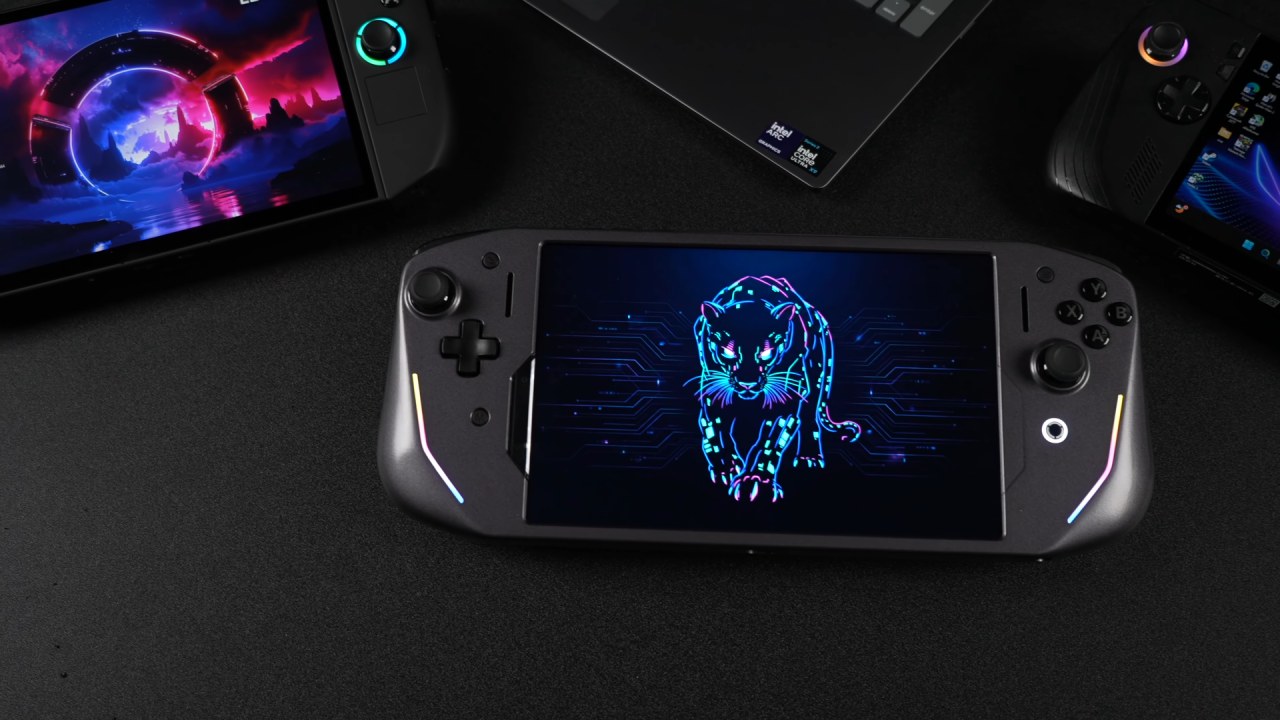
Chips Compared and Test Conditions
The Core Ultra X9 388H is an example of Intel's new Panther Lake architecture. It's not a specific handheld processor, but it gives a good idea of what Panther Lake could do in a compact form factor. Intel has already said that it will make one or more bespoke processors for handheld devices using its 18A technology, although they are not yet available.
The comparison comprises three processors that were evaluated at actual portable power levels of 17 W and 25 W. The Ryzen Z1 Extreme is still a popular choice for contemporary handhelds on the AMD side. The newer Ryzen Z2 Extreme, on the other hand, adds Zen5 and Zen5C cores and an improved RDNA3.5 iGPU. The Core Ultra X9 388H features a 16-core, 16-thread CPU and Intel's new Arc B390 iGPU.
We evaluated all systems using high-speed memory configurations appropriate to each platform. The results focus on performance that might be useful in mobile gaming PCs, not on ridiculous high-wattage situations.
Benchmarks for CPU Performance
At 17w, Geekbench6 results show that the Ryzen Z1 Extreme performs well, while newer processors perform even better. The Ryzen Z2 Extreme performs better with one core but not as well with many cores because it combines Zen5 and lower-clocked Zen5C cores.
The Intel Core Ultra X9 388H is very different from the rest. It gets much higher single-core and multicore scores than either AMD chip, even at 17W. The margin gets even bigger in multicore applications at 25w because Intel has more cores and scales better at low power levels.
Overall, the Core Ultra X9 388H is about 35% faster in single-core tasks and about 30% faster in multicore tasks than the Z1 Extreme at easy-to-hold wattages.
Synthetic GPU Performance
3DMark Time Spy shows how powerful Intel's new Arc B390 iGPU can be. The Ryzen Z1 Extreme and Z2 Extreme do well at 17w, but the Core Ultra X9 388H blows them away. At 25w, the Intel processor pulls even further ahead, with gains of more than 50% over AMD's most recent handheld-focused technology.
Synthetic benchmarks don't always immediately relate to gaming. Still, they do give us a good idea of how powerful a GPU can be when power is limited.
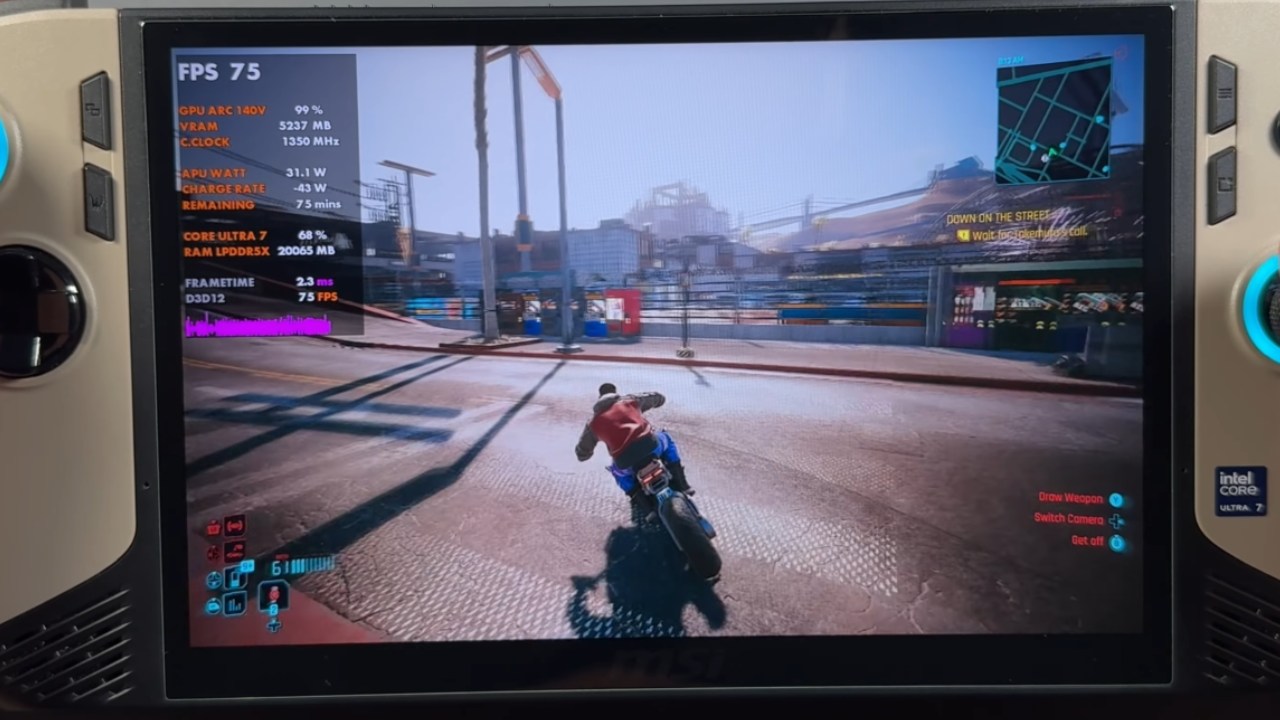
Real-World Gaming Performance
Cyberpunk 2077
The Intel Core Ultra X9 388H has a clear edge at 1080p on the Steam Deck. With XeSS enabled, the average framerate rises to the low 60s at 25W.
This is a big difference from the Ryzen Z1 Extreme and Z2 Extreme, which only reach the low-to-mid 40s with FSR. Even at 17w, Intel is still clearly ahead, proving that it is more efficient at lower power levels.
Shadow of the Tomb Raider
All three chips can be played at 25w on low settings at 1080p; the Core Ultra is still the best by a wide margin.
At 17w, the results are closer, with the Ryzen Z2 Extreme temporarily pulling ahead by one frame per second. This shows that AMD's newer architecture can still compete in specific situations.
Forza Horizon 5
At 1080p with medium settings, everything works quite well. Both AMD CPUs let you play games smoothly; the Core Ultra X9 388H has the highest average framerate at 25w.
At 17w, the Intel and Z2 Extreme perform about the same, though they still outperform the Z1 Extreme.
Black Myth: Wukong
All three platforms can be played at low settings and with a lower resolution. The Intel chip consistently has higher averages at both 25W and 17W, maintaining a strong lead over the Z1 Extreme and a clear advantage over the Z2 Extreme.
Horizon Zero Dawn Remastered
This game is very hard for integrated GPUs. At 1080p on low settings and 25W, both AMD CPUs struggled to keep the game running smoothly, with frame rates around 30 fps. The Core Ultra X9 388H works much better, getting close to 40 fps. However, for a better experience, it would still be best to drop the resolution.
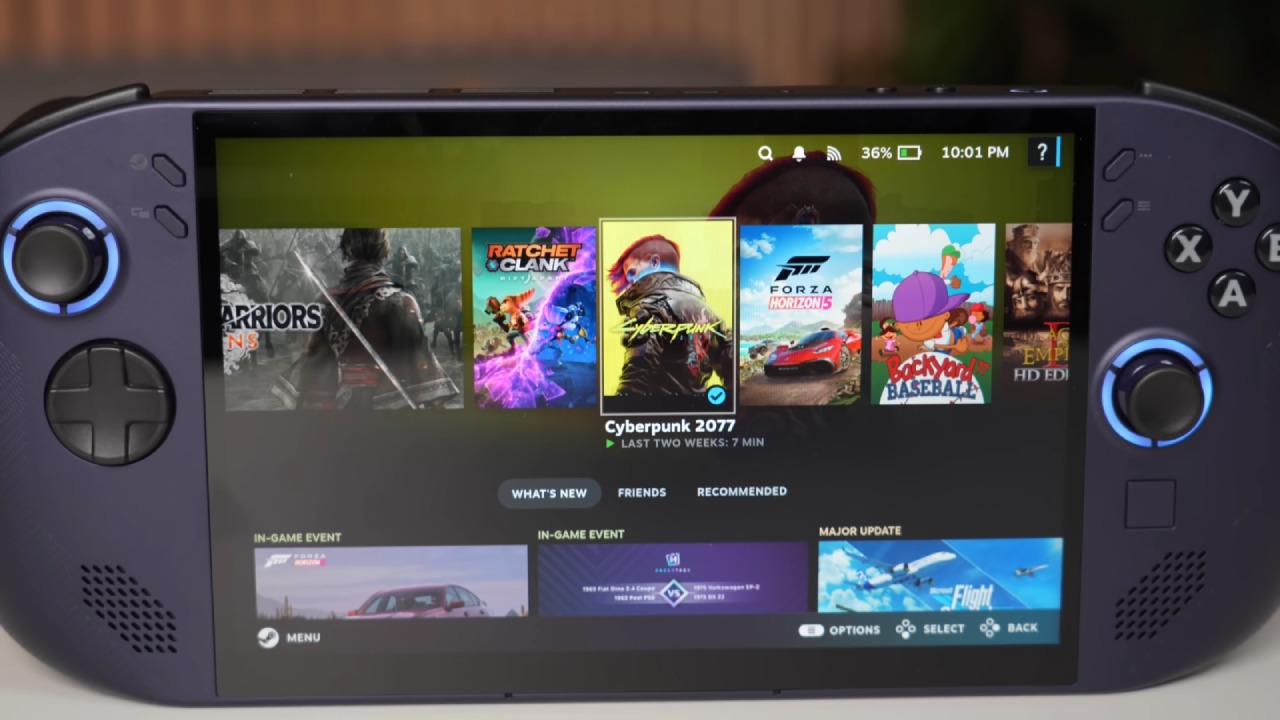
Efficiency and Scaling at Handheld Wattages
In the games tested, the Core Ultra X9 388H is about 34% faster than the Ryzen Z1 Extreme at 17W and a bit faster than the Z2 Extreme. At 25w, the discrepancy widens significantly, with Intel's average framerates about 40% faster than the Z1 Extreme's and about 30% higher than the Z2 Extreme's.
Intel's recent work on Arc drivers is also quite crucial. Early Arc-based systems had problems when they first came out. Still, regular driver upgrades have made them faster and more compatible. Because of this trend, Panther Lake is likely to make more progress as it gets older.
What This Means for Future Handhelds
The Core Ultra X9 388H isn't a specific portable CPU, but it gives us a good idea of what Panther Lake-based handheld processors could do.
A future Intel handheld design with fewer CPU cores and the same or better Arc B390-class iGPU might shift even more power to graphics at low wattages, which could make gaming even better.
The performance boost exhibited here is considerable for anyone currently using a Ryzen Z1 Extreme-based portable. Intel's Panther Lake architecture is much better than the newer Z2 Extreme, especially in the 20W to 25W range, where most portable gamers spend most of their time.
The next generation of handheld gaming PCs will be faster, more powerful, and better than the ones we have now. Competition between Intel and AMD is pushing this area forward quickly.
Check our Other Handheld Articles :
- ASUS ROG Ally X Handheld Review: Double the Battery, Double the Comfort
- Nintendo Switch 2 Vs. Original Switch 1: A Full Comparison
- How To Connect A Camera And Join Voice Chat With Nintendo Switch 2
- Nintendo Switch 2 Review: Handheld Performance, Features & Value Breakdown
- ROG Xbox Ally X Vs. ROG Ally X: Display, Battery & Controls
- ASUS ROG Ally X vs. Steam Deck OLED: Display, Battery & Gaming Benchmarks
- MSI Claw 8 AI+ Review: Display, Controls & Gaming
- Nintendo Switch 2 vs. Steam Deck OLED: Gaming, Performance, Battery, Display and Value
- PlayStation Portal Review: Remote Play, Cloud Streaming & Travel Gaming
- PlayStation Portal vs. Lenovo Legion Go: Best Portable Gameplay
- Lenovo Legion Go S vs. Zotac Zone: In-Depth Experience Comparison
- How AMD Dominates the Handheld Market
Senior Editor, NoobFeed
Gaming Hardware Updates
No Data.