
How Sony Plans to Offset Rising PS5 RAM Costs?
Platform monetization strategies evolve as memory price volatility impacts console manufacturing margins.
Hardware by Shinji Okazaki on Mar 03, 2026
Someone on Sony's earnings call said that "monetizing the installed base" will help lessen the effect of memory prices on profits. The wording made me wonder right away what it really meant and how it would work in real life.
When we hear about monetizing the installed base, the first thing that comes to mind is how Sony plans to do it. The people who already own the product still have to decide how to spend their money. We can't be made to spend more unless something is being offered or pushed on us.
One option is to raise game prices. That's one of the few direct ways to make extra money. If the cost of memory is rising, raising game prices would be an easy way to pass that cost on to consumers.
.jpg)
Microtransactions and Content for one Player
We might also see more microtransactions, even in single-player games. If more single-player content is made, people may buy other things on top of that. For instance, remakes of older games may let players buy extra things like character model swaps or weapon variants from newer games in the same series.
That strategy would let Sony make more money without raising the base price. But we would still have to spend more money than we did when we bought it.
Rising Subscription Prices and Games as a Service
Raising subscription costs is another option. If the price of PlayStation Plus went up, the expense would be spread out among the people who already use it. That wouldn't mean changing the prices of individual games, but it would raise ongoing costs.
There is also the chance to grow games-as-a-service programs. That concept is meant to encourage people to keep spending money over time rather than making one-time purchases.
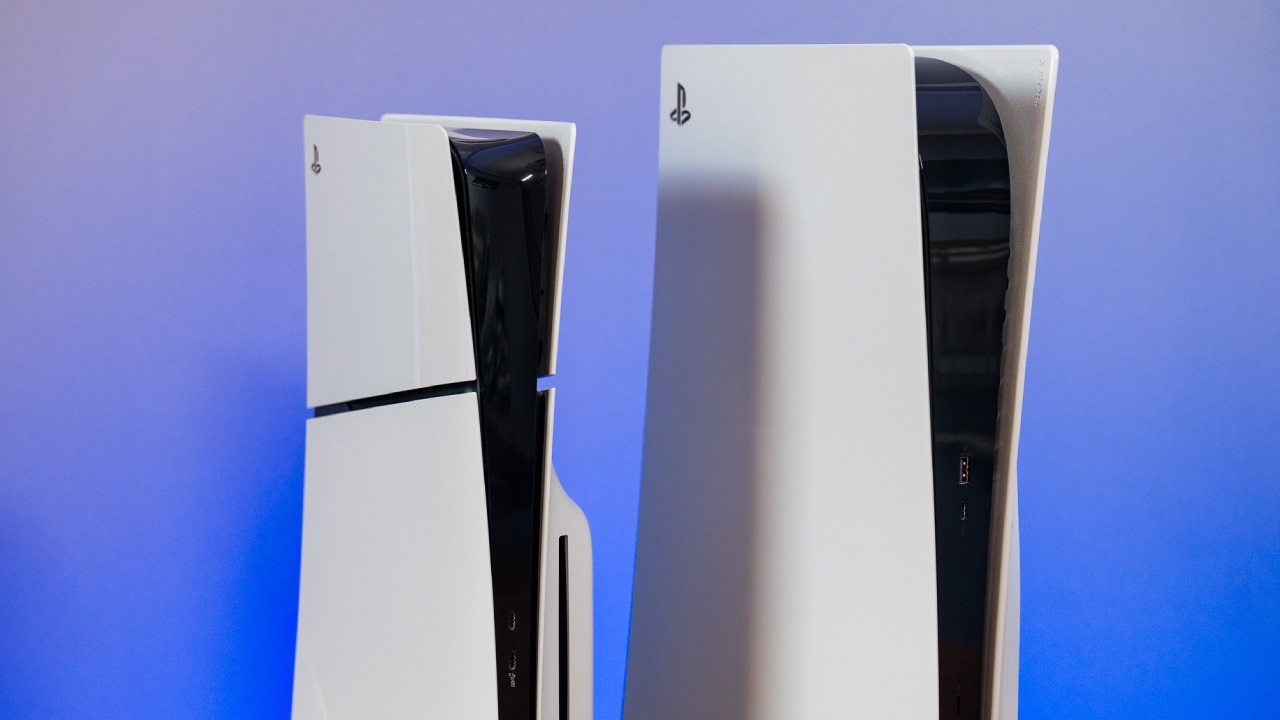
Who Really Pays?
The price change in memory mostly affects hardware production. People who don't own a PlayStation 5 yet might not want to spend a lot of money on platform-specific services at this point in the console generation. They might also be less likely to sign up for higher tiers.
That makes me worry: are current users really paying for the lower console prices for new buyers? If monetization affects the current user base, then we are the ones who have to deal with it.
Final Thoughts
In the end, the sentence is vague enough to be understood in more than one way. We still don't know what the plan is. The idea of making money from the installed base to offset rising memory costs could mean higher game prices, more ads, more microtransactions, higher subscription fees, or more service-based models.
At this point, we don't know what will happen. We will have to wait and see how Sony uses this method and how it affects us as part of the installed base.
Also, check our other hardware articles:
- AMD Ryzen 9 9950X3D Review: Setting The Standard For 2025 Gaming CPU
- Amazon Luna 2025 Review: Is Prime Gaming's Cloud Service Your Go-To For Casual Fun?
- AMD RX 9070 XT Review: AMD's RDNA 4 Champion for 1440p Gaming
- GeForce Now Ultimate: Ditching Your Gaming PC For Cloud RTX 4080 Power?
- NVIDIA GeForce RTX 5080 Review (2025): Still A 4K Gaming Powerhouse?
- Intel Core Ultra 9 285K Review And Performance Breakdown (2025)
- AMD Ryzen 7 9800X3D Review: 3D V-Cache Goes God Mode with Stunning Gaming Performance
- Intel Core Ultra 9 285K vs AMD Ryzen 7 9800X3D: In-Depth Gaming Performance and Benchmark Comparison
- NVIDIA GeForce RTX 5080 Super Performance In Cyberpunk 2077: Path Tracing & DLSS 4.0 Tested
- AMD Radeon RX 9070 XT In Cyberpunk 2077: Ray Tracing & FSR 4.0 Tested
- Intel Arc B580 Review: The $250 GPU Revolutionizing 1440p Gaming
- Intel Arc B570 Vs. B580: Value, Specs, And Real-World Gaming Performance
- RTX 5090 Laptop Vs. M4 Max MacBook Pro: Ultimate Raw Performance Vs. Battery Endurance
- Intel Arc b580 Vs. RTX 4060: Game Performance And Value Analysis
- RTX5090 Hell Is Us Demo 4K Ultra Benchmark: DLSS Vs. Native Performance Guide
- NVIDIA RTX 5070 Review: Mid-Range Muscle or Marketing Hype?
- Nintendo Switch 2 Review: Handheld Performance, Features & Value Breakdown
- RTX 5070 Ti Review: Performance, Thermals & Power Efficiency Tested
- Samsung Odyssey OLED G81SF Review 2025: Ultimate 32-Inch QD-OLED Gaming Monitor
- AMD RX 9070 Performance Review: Thermals, Clocks, and Real-World FPS
- AMD Ryzen 5 7600 Review: Best Budget Gaming CPU of 2025?
- AMD Radeon RX 7800 XT Review: RDNA 3 Power For Midrange Gaming
- Asus ROG RTX 5090 Astral OC Vs. Founders Edition: The 4K Gaming Benchmark
Editor, NoobFeed
Gaming Hardware Updates
No Data.