
Sony PS6 Light Could Redefine Next Gen Gaming with Lower Cost Hardware
PlayStation 6 Light rumors indicate a cost reduced console strategy alongside PS6 handheld integration and performance balancing.
Hardware by Tanvir Kabbo on Apr 20, 2026
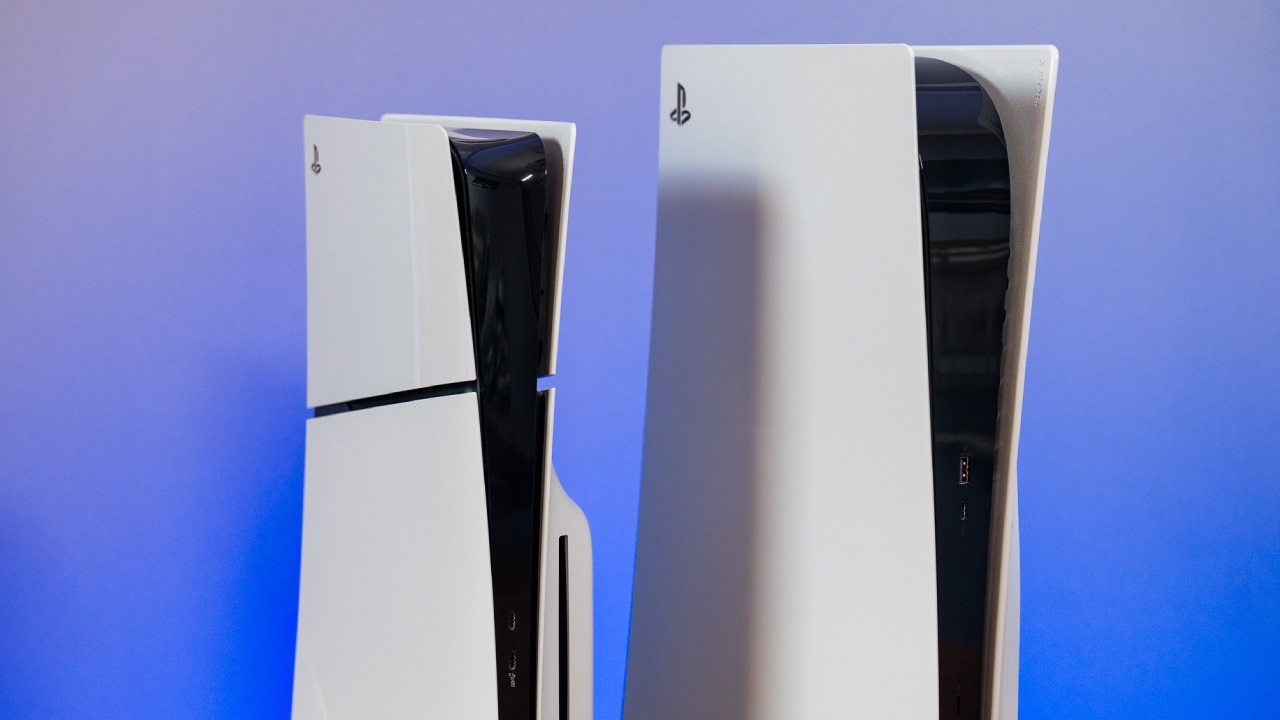
The next generation of consoles is becoming more sophisticated than ever, as new rumors suggest a diversified hardware lineup. One of the most talked-about changes is the PlayStation 6 Light. This theory seems to align with the strategy of providing a lower-priced system to complement an iconic one.
The PlayStation 6 Light is thought to be a home version of the PS6 handheld. It can be likened to a lower-priced system in the same spirit as the Xbox Series S. Still, the information is unclear, and there are conflicting reports that make it hard to establish the specific direction.
.jpg)
The bill-of-materials estimates imply significant cost reductions compared to the main PS6 system, Orion. The APU will be priced at an estimated half, and the motherboard and cooling parts are also significantly lower. These developments are leading to a cheaper gadget, but ultimate prices will rely on several factors.
Pricing, Market Positioning, and Cost
The complete PS6 system will cost approximately $950, but this figure is likely the production cost, not the retail price. It is anticipated that there will be a certain level of subsidy,, allowing the console to be sold at a competitive price.
The revenue would then be based on other sources, such as game sales, subscriptions, and accessories. This model has been successfully applied in the past generations of consoles, and it is also a major aspect of the business strategy.
With the PlayStation 6 Light, lower hardware specifications may make it an easier entry point. But the cost of memory and storage remains unknown, especially since these two aspects keep fluctuating in price.
Hardware Fragmentation and Developer Challenges
The possible effects on developers are a key issue for the PlayStation 6 Light. There may be a significant difference in hardware performance between the Light version and the PS6 main system, which could further complicate game development.
According to some reports, this challenge may even lead to the system not being released at all. Others suggest there might still be a modified version with a 6-core CPU, slower clock speeds, a 128-bit memory bus, and 24GB of memory.
The uncertainty goes further to the way developers would be obliged to maintain these systems. The possible option would be to run the games on both devices with resolution and graphical fidelity adjustments. The other scenario indicates that developers may only need to target a single system, thereby reducing the burden.
Handheld Integration and the Future of Generations
The PS6 handheld further complicates its role. There has been speculation that it will run standard PS6 games at reduced settings, as less powerful consoles do. Nevertheless, it is not explicitly known how this integration will be implemented.
Simultaneously, the cross-generation support will last a long time. The PS5-to-PS6 transition might not follow the conventional model of an explicit, instant change. Rather, the two generations might coexist for a few years, mirroring industry trends.
This strategy underlines the significant shift in the development of the console generations. The transition between systems in earlier times was characterized by large-scale differences in technology. Nowadays, progress is more incremental, and factors like price and convenience play a bigger role.
The PS6 Light is both an opportunity and a challenge. It has the potential to increase the user base by reducing entry costs; however, it comes with the challenge of complex development and hardware consistency. In the future of the industry, innovation and practicality will be key to the success of these strategies.
Also, check our other hardware articles:
- AMD Ryzen 9 9950X3D Review: Setting The Standard For 2025 Gaming CPU
- Amazon Luna 2025 Review: Is Prime Gaming's Cloud Service Your Go-To For Casual Fun?
- AMD RX 9070 XT Review: AMD's RDNA 4 Champion for 1440p Gaming
- GeForce Now Ultimate: Ditching Your Gaming PC For Cloud RTX 4080 Power?
- NVIDIA GeForce RTX 5080 Review (2025): Still A 4K Gaming Powerhouse?
- Intel Core Ultra 9 285K Review And Performance Breakdown (2025)
- AMD Ryzen 7 9800X3D Review: 3D V-Cache Goes God Mode with Stunning Gaming Performance
- Intel Core Ultra 9 285K vs AMD Ryzen 7 9800X3D: In-Depth Gaming Performance and Benchmark Comparison
- NVIDIA GeForce RTX 5080 Super Performance In Cyberpunk 2077: Path Tracing & DLSS 4.0 Tested
- AMD Radeon RX 9070 XT In Cyberpunk 2077: Ray Tracing & FSR 4.0 Tested
- Intel Arc B580 Review: The $250 GPU Revolutionizing 1440p Gaming
- Intel Arc B570 Vs. B580: Value, Specs, And Real-World Gaming Performance
- RTX 5090 Laptop Vs. M4 Max MacBook Pro: Ultimate Raw Performance Vs. Battery Endurance
- Intel Arc b580 Vs. RTX 4060: Game Performance And Value Analysis
- RTX5090 Hell Is Us Demo 4K Ultra Benchmark: DLSS Vs. Native Performance Guide
- NVIDIA RTX 5070 Review: Mid-Range Muscle or Marketing Hype?
- Nintendo Switch 2 Review: Handheld Performance, Features & Value Breakdown
- RTX 5070 Ti Review: Performance, Thermals & Power Efficiency Tested
- Samsung Odyssey OLED G81SF Review 2025: Ultimate 32-Inch QD-OLED Gaming Monitor
- AMD RX 9070 Performance Review: Thermals, Clocks, and Real-World FPS
- AMD Ryzen 5 7600 Review: Best Budget Gaming CPU of 2025?
- AMD Radeon RX 7800 XT Review: RDNA 3 Power For Midrange Gaming
- Asus ROG RTX 5090 Astral OC Vs. Founders Edition: The 4K Gaming Benchmark
Senior Editor, NoobFeed
Gaming Hardware Updates
No Data.