
Sony Adopts Smart Delivery Style Feature for PS6 and Handheld Future
Sony introduces smarter asset delivery system to improve storage efficiency and optimize game downloads across multiple PlayStation hardware generations.
Hardware by Tanvir Kabbo on Apr 08, 2026
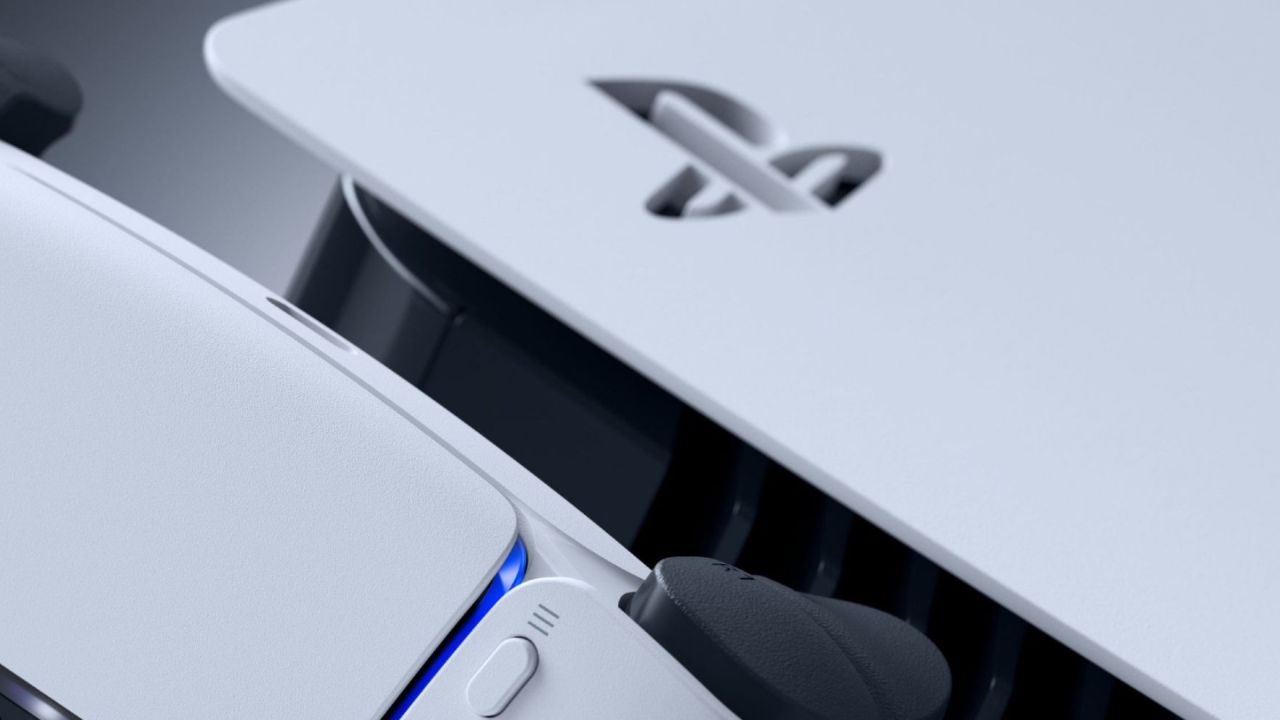
A new story talks about a leak that strongly suggests a new PlayStation is on the road, as well as work on a handheld gadget that is still going on. The Play Go feature, which was incorporated in a recent upgrade to the PS5 SDK, looks like Sony's version of Xbox Smart Delivery. It lets developers keep track of files and textures so that each console only gets what it needs.
Every download used to have to have greater visuals and content for more powerful versions, no matter what hardware was utilized. With this update, developers can make separate downloads for the PS4, PS4 Pro, PS5, PS5 Pro, and a special power-saving mode. This means that Sony is getting its ecosystem ready for future technology changes, when efficiency and storage space will be very crucial.
Evaluating the Rumor and Its Practicality
The idea fits with logical improvements in engineering. If a current system isn't working well, it makes sense to improve it with new hardware. Instead of seeing it as one corporation mimicking another, it shows how platforms are getting better at managing resources.
Storage space remains a widespread problem, and reducing unnecessary data downloads improves the user experience right away.
But things get more complicated when you think about the rumors that a next-generation console and a portable are being made at the same time. Launching both at the same time raises questions about pricing, positioning, and what customers want. Bringing out two big hardware platforms at the same time could split the market and make it harder to choose what to buy.
Challenge of Dual Hardware Launches
It is possible to compare this to other multi-tier hardware strategies, like when performance-based console versions are released at the same time. Those models already make things harder for developers by demanding optimization across different performance levels. Adding a handheld system to that idea makes it even more complicated.
One possible answer is convergence. If a handheld device is made to work as a lower-power version of the main console and also support docking, it might make a single ecosystem. In this case, the handheld would offer more options without completely replacing the console experience. But a standalone handheld next to a full console may struggle to justify its purpose if it can't dock.
Docking, Performance, and Market Position
A portable that can be docked changes the game a lot. It lets people switch between playing games on their phones and on their TVs while still accessing the same library. This method is similar to hybrid systems, which have worked well at balancing portability and performance.
At the same time, a dockable handheld creates a strategic problem. If the portable provides a robust experience while docked, it may diminish the need for a full console. On the other hand, keeping a clear performance gap ensures that each gadget has its own use. A more expensive console would still be good for gamers who want the best graphics and performance. At the same time, the handheld would focus on ease of use and flexibility.
Cloud Integration and Subscription Ecosystems
The talk automatically moves on to ecosystem services, including cloud saves and linking accounts. If you own more than one device, they usually need to sync up perfectly, which is why cloud-based features are so important. Players have been arguing about charging for these features for a long time, but the issue remains disputed.
Moving toward free cloud-saving features could be a wonderful way to show goodwill, especially since more and more people own multiple devices. At the same time, premium services may keep adding new features, such as cloud gaming and larger libraries. Long-term use will probably depend on how well monetization and user convenience work together.
Appeal of a PlayStation Handheld
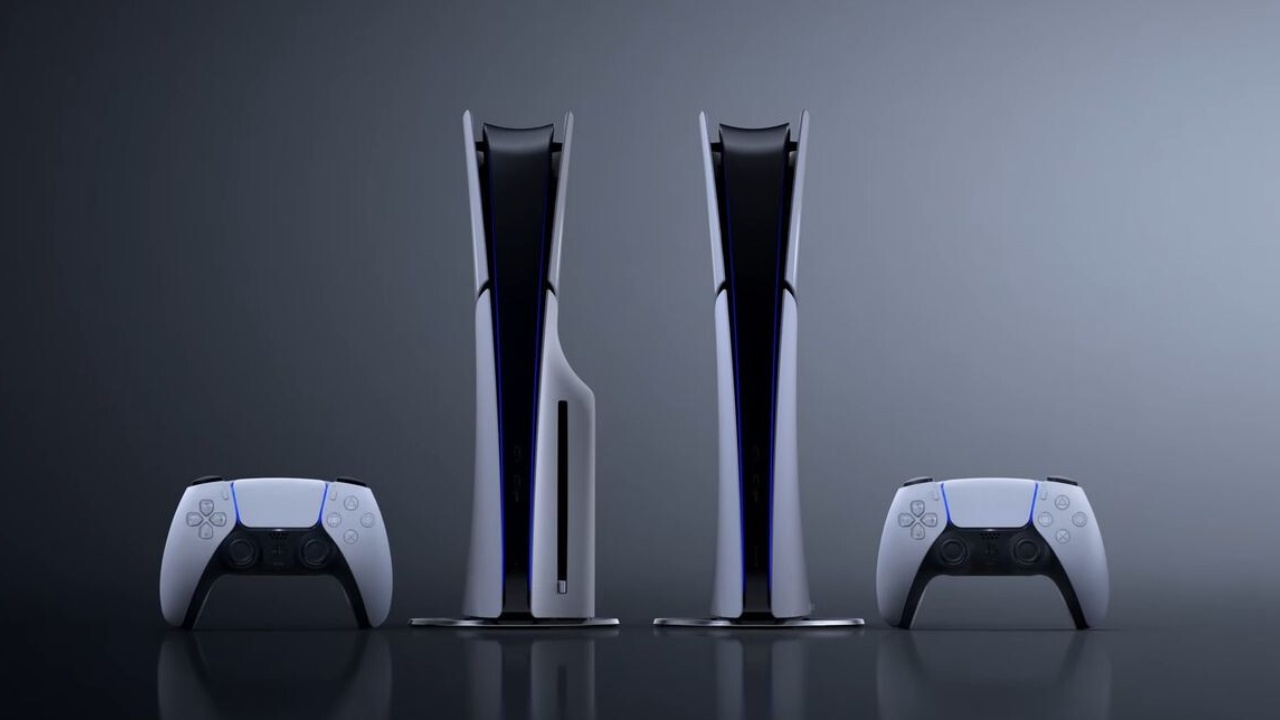
People are still quite interested in handheld systems, especially those who value portability. A device that can play recent games and is also backwards compatible would be a really appealing offer. For many people, being able to use an existing library on a portable system is a big plus.
At the same time, you need to keep your expectations in check. It is technically difficult to deliver full console-level performance in a portable physical factor, especially when it comes to managing power use and heat. So, a handheld system would probably work within certain performance restrictions, and it might include optimized content and visuals that can be scaled up or down.
The Broader Industry Context
The gaming world as a whole is becoming more and more similar between consoles and PCs, which makes it easier to play games on the go. Hybrid hardware models, cloud services, and cross-platform interaction are all changing the future of the industry.
As competition evolves, features like targeted asset downloads and device configurations that can be changed will become standard expectations instead of things that make a company stand out. Not only will the sheer performance of future platforms be important, but also how well they fit into the way players play games every day.
Also, check our other hardware articles:
- AMD Ryzen 9 9950X3D Review: Setting The Standard For 2025 Gaming CPU
- Amazon Luna 2025 Review: Is Prime Gaming's Cloud Service Your Go-To For Casual Fun?
- AMD RX 9070 XT Review: AMD's RDNA 4 Champion for 1440p Gaming
- GeForce Now Ultimate: Ditching Your Gaming PC For Cloud RTX 4080 Power?
- NVIDIA GeForce RTX 5080 Review (2025): Still A 4K Gaming Powerhouse?
- Intel Core Ultra 9 285K Review And Performance Breakdown (2025)
- AMD Ryzen 7 9800X3D Review: 3D V-Cache Goes God Mode with Stunning Gaming Performance
- Intel Core Ultra 9 285K vs AMD Ryzen 7 9800X3D: In-Depth Gaming Performance and Benchmark Comparison
- NVIDIA GeForce RTX 5080 Super Performance In Cyberpunk 2077: Path Tracing & DLSS 4.0 Tested
- AMD Radeon RX 9070 XT In Cyberpunk 2077: Ray Tracing & FSR 4.0 Tested
- Intel Arc B580 Review: The $250 GPU Revolutionizing 1440p Gaming
- Intel Arc B570 Vs. B580: Value, Specs, And Real-World Gaming Performance
- RTX 5090 Laptop Vs. M4 Max MacBook Pro: Ultimate Raw Performance Vs. Battery Endurance
- Intel Arc b580 Vs. RTX 4060: Game Performance And Value Analysis
- RTX5090 Hell Is Us Demo 4K Ultra Benchmark: DLSS Vs. Native Performance Guide
- NVIDIA RTX 5070 Review: Mid-Range Muscle or Marketing Hype?
- Nintendo Switch 2 Review: Handheld Performance, Features & Value Breakdown
- RTX 5070 Ti Review: Performance, Thermals & Power Efficiency Tested
- Samsung Odyssey OLED G81SF Review 2025: Ultimate 32-Inch QD-OLED Gaming Monitor
- AMD RX 9070 Performance Review: Thermals, Clocks, and Real-World FPS
- AMD Ryzen 5 7600 Review: Best Budget Gaming CPU of 2025?
- AMD Radeon RX 7800 XT Review: RDNA 3 Power For Midrange Gaming
- Asus ROG RTX 5090 Astral OC Vs. Founders Edition: The 4K Gaming Benchmark
Senior Editor, NoobFeed
Gaming Hardware Updates
No Data.