
Sony vs. Steam: The Reality Behind PlayStation’s PC Future
Sony’s PC strategy relies on staggered Steam releases while maintaining a strong console-first approach to maximize long-term revenue and engagement.
Hardware by Tanvir Kabbo on Mar 02, 2026
The gaming industry is shifting toward broader multiplatform strategies, with companies chasing larger audiences across console and PC.
As Xbox leans further into PC and Steam experiments with console-style hardware, questions arise about whether Sony should double down on consoles or commit more fully to PC—potentially even launching its own PC storefront.
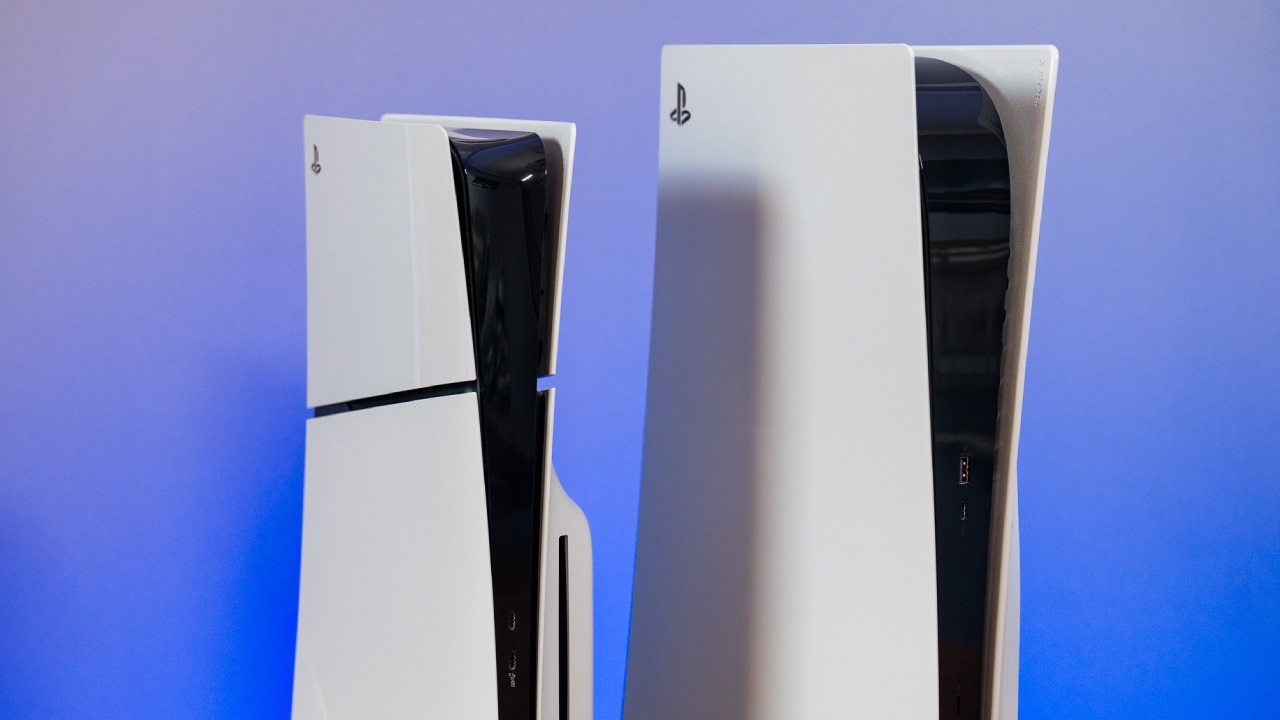
The Current State of Sony’s PC Efforts
There were many new releases when Sony first started pushing PCs. For a while, it seemed like things were starting to move. That spurt of activity, on the other hand, may have affected quality. Over time, the health of some ports seemed to worsen, leading many to think the PC launch of Marvel's Spider-Man 2 was poor. We expected it to evolve and improve, as The Last of Us Part I eventually did. Still, it never quite reached that level of polish.
There were also clear missed opportunities in the back catalog. We really thought titles like the Demon’s Souls remake, Gran Turismo, the legacy Uncharted entries, and earlier God of War games from the PS4 era could have made the jump to PC.
With God of War Ragnarök eventually arriving, it was surprising not to see Sony dig deeper into that earlier library. Perhaps internal strategy decisions influenced that direction, but from the outside, the absence of those releases felt noticeable.
Steam Factor and the Launcher Debate
With Death Stranding 2: On the Beach releasing on Steam, alongside most previous Sony PC titles, one reality becomes obvious: skipping Steam is not an option. We have seen other publishers attempt to bypass or compete with Steam through dedicated launchers. EA’s Origin eventually faded despite a rebrand, and Epic Games continues to offer free games regularly without fully displacing Steam’s dominance.
We do not know anyone eager to split their library across yet another launcher just for a handful of exclusives. If free games were not enough to convince players to leave Steam in large numbers, it is hard to imagine what Sony could realistically offer to change that. The ship for standalone publisher launchers largely sailed years ago. Competing with Steam requires offering something dramatically better, and right now, that bar is incredibly high.
The only plausible argument for a Sony PC launcher would be deep cross-buy integration with console purchases. But we do not think Sony wants to go that route. So far, its PC strategy has relied on staggered releases, with games arriving later than their console counterparts.
That approach is not unsmart. When you re-release a major title later, it gives the game a second life and a renewed marketing push. Rockstar has followed this pattern for years—console first, PC later—and the strategy consistently generates a second wave of excitement and revenue.
Day-and-Date Releases and Strategic Hesitation
If Sony were to fully embrace PC, it would likely require day-and-date releases. That is a major step. We are not convinced Sony wants to take it. Console remains the company’s core business and identity. Despite some questionable decisions in the current generation, it continues to succeed in that space.
From our perspective, Sony appears more cautious about PC now than during the earlier phase of its expansion. In the past, the drive toward PC felt brave and forward-thinking. But lately, the attention doesn't seem as strong. That doesn't imply there won't be any more PC releases, but it does mean that they might not happen more often or on a larger scale.
Microsoft, on the other hand, is in a very different place. Because Xbox and PC are both owned by Microsoft, they work together in ways Sony can't. If Sony were to focus too much on PCs and not enough on consoles, it may hurt the environment that makes its brand unique.
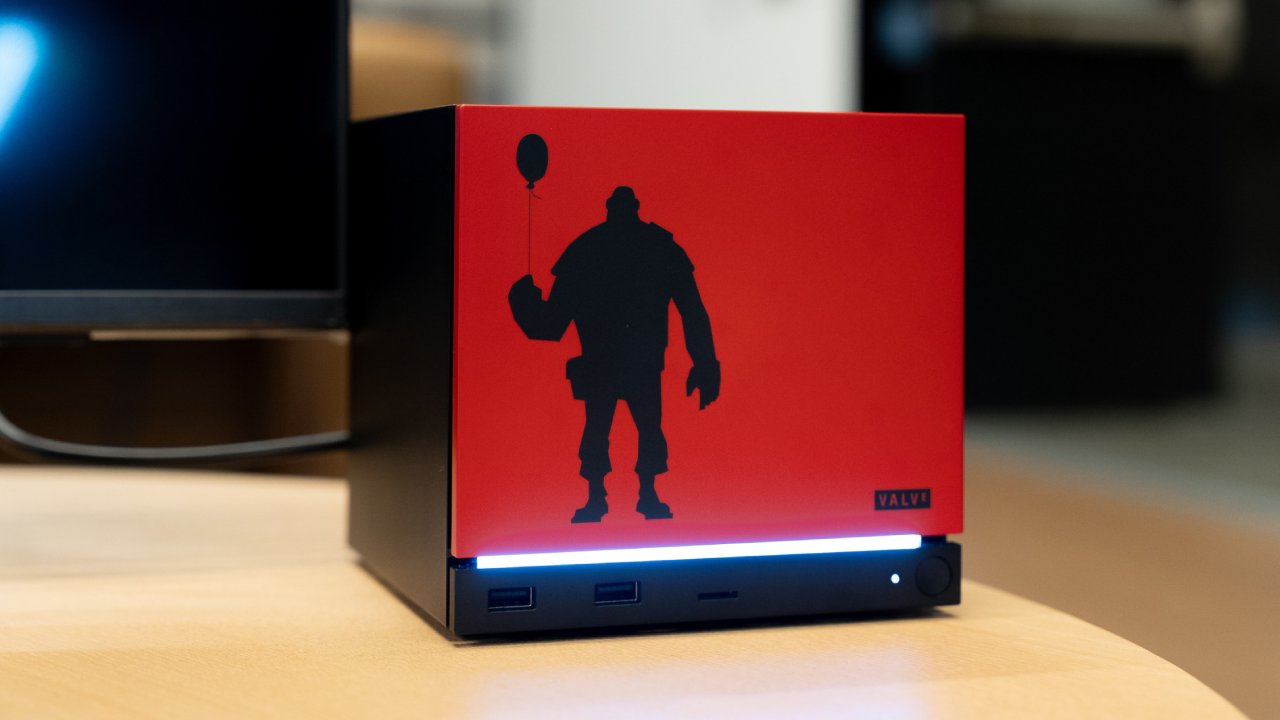
Dependency and Market Reality
We have also learned that the success of a PC is very dependent on the title. Some games generate strong demand—Ghost of Tsushima clearly did—while others, including major releases like God of War Ragnarök, reportedly did not meet internal expectations on PC. That inconsistency likely shapes Sony’s internal calculus.
Ultimately, the console remains where Sony feels strongest. PC can bring in more money and keep major titles alive longer, but making a separate launcher or totally switching to PC would be risky and not always pay off. For now, the best approach is to continue with Steam for PC releases and keep console-first launches.
In this changing environment, the safest plan seems to be not to grow too quickly, but to participate in a controlled, selective way. This means keeping the console as the main platform and using the PC as a secondary platform rather than the main battleground.
Also, check our other hardware articles:
- AMD Ryzen 9 9950X3D Review: Setting The Standard For 2025 Gaming CPU
- Amazon Luna 2025 Review: Is Prime Gaming's Cloud Service Your Go-To For Casual Fun?
- AMD RX 9070 XT Review: AMD's RDNA 4 Champion for 1440p Gaming
- GeForce Now Ultimate: Ditching Your Gaming PC For Cloud RTX 4080 Power?
- NVIDIA GeForce RTX 5080 Review (2025): Still A 4K Gaming Powerhouse?
- Intel Core Ultra 9 285K Review And Performance Breakdown (2025)
- AMD Ryzen 7 9800X3D Review: 3D V-Cache Goes God Mode with Stunning Gaming Performance
- Intel Core Ultra 9 285K vs AMD Ryzen 7 9800X3D: In-Depth Gaming Performance and Benchmark Comparison
- NVIDIA GeForce RTX 5080 Super Performance In Cyberpunk 2077: Path Tracing & DLSS 4.0 Tested
- AMD Radeon RX 9070 XT In Cyberpunk 2077: Ray Tracing & FSR 4.0 Tested
- Intel Arc B580 Review: The $250 GPU Revolutionizing 1440p Gaming
- Intel Arc B570 Vs. B580: Value, Specs, And Real-World Gaming Performance
- RTX 5090 Laptop Vs. M4 Max MacBook Pro: Ultimate Raw Performance Vs. Battery Endurance
- Intel Arc b580 Vs. RTX 4060: Game Performance And Value Analysis
- RTX5090 Hell Is Us Demo 4K Ultra Benchmark: DLSS Vs. Native Performance Guide
- NVIDIA RTX 5070 Review: Mid-Range Muscle or Marketing Hype?
- Nintendo Switch 2 Review: Handheld Performance, Features & Value Breakdown
- RTX 5070 Ti Review: Performance, Thermals & Power Efficiency Tested
- Samsung Odyssey OLED G81SF Review 2025: Ultimate 32-Inch QD-OLED Gaming Monitor
- AMD RX 9070 Performance Review: Thermals, Clocks, and Real-World FPS
- AMD Ryzen 5 7600 Review: Best Budget Gaming CPU of 2025?
- AMD Radeon RX 7800 XT Review: RDNA 3 Power For Midrange Gaming
- Asus ROG RTX 5090 Astral OC Vs. Founders Edition: The 4K Gaming Benchmark
Senior Editor, NoobFeed
Gaming Hardware Updates
No Data.