
Sony and Xbox Strategy Shift Signals Possible Return of Console Wars
Changing platform strategies signal renewed competition as Sony prioritizes exclusives and Xbox redefines console hardware value.
Hardware by Nahe Yan on Mar 10, 2026
For the past few years, the gaming industry has been saying the console wars are over. The focus moved away from hardware identity and toward ecosystems, services, subscriptions, and the play-anywhere approach. Xbox was positioned as an ecosystem rather than just a single device, and PlayStation became more popular on PC. The main point that everyone in the business agreed on was that it didn't matter what kind of hardware was under a TV as long as gamers could access their libraries on more than one screen.
But that story is starting to change. Bloomberg recently reported that Sony is backing off from releasing big single-player PlayStation 5 games to PC. Jason Schreier discussed this news on the Triple Click program, then discussed it again. John Linneman from Digital Foundry and other experts added to the idea that Sony would be cutting back on PC releases for some games, notably Ghost of Tsushima and Sorrow's Path, the spiritual successor to Returnal.
.jpg)
Changes are also happening on the Xbox side. Asha Sharma, the CEO of Microsoft Gaming, has stopped using the phrase "everything is an Xbox" and started using different words. She has talked about returning to her Xbox identity, and even Microsoft CEO Satya Nadella showed up at a press event wearing Xbox-branded clothing to show how much he cares about the brand.
These changes point to a shift in strategy for both firms, leading to speculation that a new chapter of console warfare is beginning.
Why Console Identity Matters
Console identity has always been strongly linked to exclusives and experiences made by the console maker. A lot of people buy hardware just to play those games. A recent survey found that over 70% of people buy consoles because they want to play games that are available only on those devices. When hardware lets you do things that you can't do anywhere else, it becomes useful.
A console is more than just a box that runs software from different companies. Players frequently anticipate a device to have a specific set of games and a specific way to play them. People usually think of Nintendo consoles when they think of first-party franchises like Donkey Kong or The Legend of Zelda. PlayStation consoles have their own set of first-party games.
There is another reason why exclusive games are important. A lot of the time, developers make these games to test the limits of the technology. That concentration can lead to technically advanced games that set a platform apart. Franchises like Uncharted demonstrated this approach, where the console became part of the game's character.
Sony's Move Away from Releasing a Lot of PC Games
Recent news suggests Sony might reconsider its plan to release big single-player PlayStation games on PC. Multiplayer games will likely keep coming to more platforms to attract more players. Still, single-player games may remain wedded to the PlayStation ecosystem for longer.
If true, the choice shows a change in direction. Earlier intentions focused on making more PlayStation games available across multiple platforms. But reports say that the performance statistics for various PC ports were not as good as expected. That result made Sony rethink what exclusivity means.
From a business perspective, restricting the number of PC releases right away can make PlayStation hardware seem more valuable. Exclusive games make people want to play on the platform right away and get the console, rather than wait for later ports.
Being exclusive doesn't always mean that there will be everlasting limits. Timed exclusivity, where a game comes out on one platform first and then on others later, nonetheless lets more people play it while keeping the original platform's identity.
Xbox and the Return to Console Focus
Microsoft's plan for the last few years has been to make its products more accessible and grow its ecosystem. The brand was seen as a service that could be used across many platforms thanks to Game Pass, cloud gaming, PC connectivity, and the concept of "everything is an Xbox."
That plan made things easier and more accessible. But it also made people wonder if they really needed to acquire Xbox hardware. When games can be played on PCs, mobile devices, and the cloud, the console itself may not seem as important.
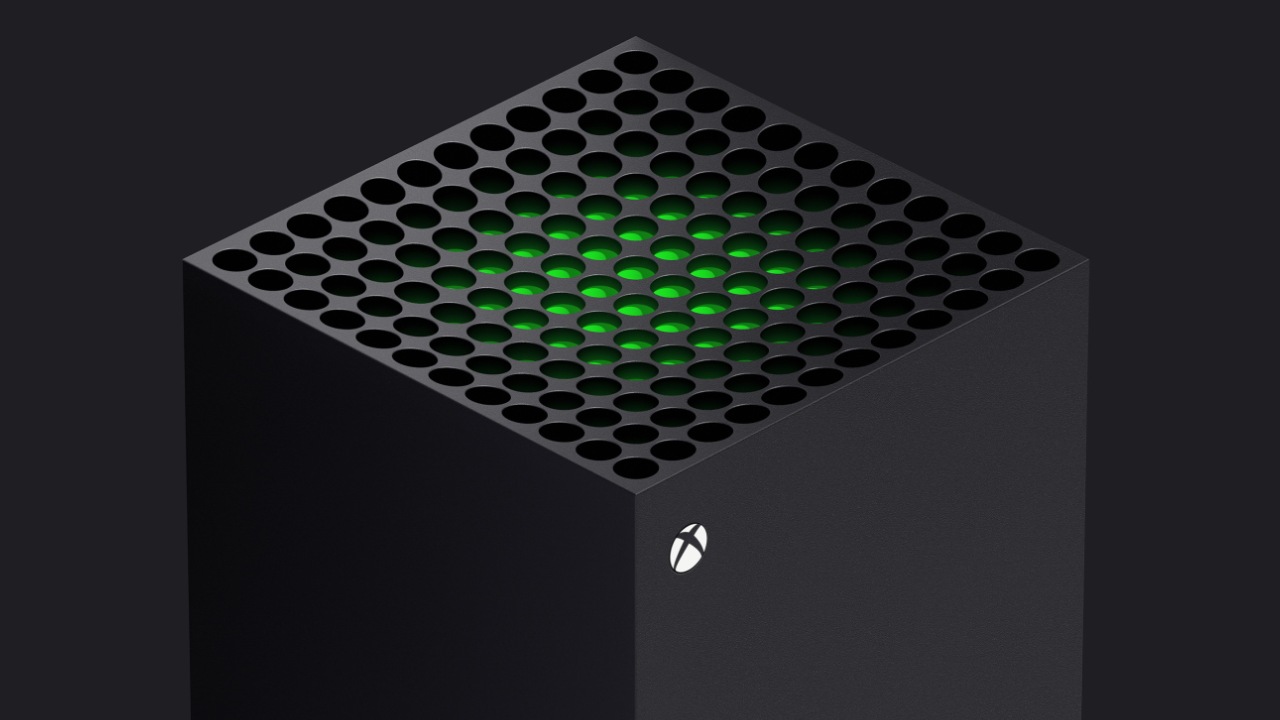
Asha Sharma's recent messages are an effort to change that view. Microsoft's next console reportedly called Project Helix, is being marketed as a powerful machine that can play both Xbox and PC games. The goal of the device is to bring together the ecosystem strategy with a fresh focus on dedicated hardware.
There are still important uncertainties regarding how that system will work. If the console can play PC games, players will want to know if they can use services like Steam. The hardware's value also depends on how well it supports older Xbox games, especially disc-based titles from earlier generations.
Just having access isn't enough to build strong brand loyalty. Special features, exclusive content, and long-term platform support are often what make hardware special.
Why Competition is Important in Gaming
Competition has always had an impact on the gaming industry. When platform makers compete, it typically leads to better software libraries and new technologies.
A clear example is the competition between Nintendo and Sega in the late 1980s and early 1990s. Sega made Sonic the Hedgehog a modern mascot to set him apart from Mario. Nintendo made its identity stronger with games like Super Mario World and The Legend of Zelda: A Link to the Past. Each business came up with new hardware, new ways to promote their products, and new ways to make games in response to the other.
This push from competitors led to famous hardware and games that people still remember. Because each company had a clear brand and audience, the competition helped both.
The same idea was used again when the first Xbox came out. Microsoft entered the market with a strong platform identity built on games like Halo. In response, Sony further enhanced PlayStation's reputation for high-quality exclusive games.
When platforms have diverse visions, players can choose among alternative experiences rather than being stuck in a single ecosystem.
The Importance of Exclusives in Platform Strategy
People often say that exclusives are bad for consumers. Still, they are actually a bigger part of platform rivalry strategies. Exclusive titles make firms spend heavily on first-party development and create experiences that set their devices apart.
This strategy includes timed exclusivity. A game might first come out on one platform and then later on others. This plan still lets more people use it while keeping the console release's original value.
Exclusives also make people in a platform community look forward to them. Players typically connect new games with the hardware itself, which helps to define the platform. For instance, if a game like Wolverine came out initially on PlayStation, it would be clear right away where the main experience is. That dynamic helps platforms make it obvious what their systems stand for.
Ecosystems and Loyalty to Players
Ecosystems are quite important in current games. When players buy games, downloadable content, and digital services for a platform, it becomes harder to switch to a different ecosystem.
The idea is like other IT markets. Smartphone users often stay in the same ecosystem because the apps, data, and services they buy are tied to it. The same thing happens with gaming platforms.
This effect is easy to see in digital stores like Steam. Over time, many players build large libraries, making it hard to choose a new platform. When it comes to hardware, people often have to figure out how to keep using what they've already bought.
If Microsoft's next console lets players access more PC libraries, that might change how players see the value of the device.
The Possible Return of Platform Wars
Recent events suggest console makers may be reconsidering the importance of platform ideas, as Sony is making single-player games on PlayStation hardware a higher priority. Microsoft, on the other hand, is exploring a hybrid console approach that combines PC gaming with a dedicated device.
If these trends continue, there could be a new level of competition between platforms. The goal would not be the fan-driven disputes that people commonly think of when they hear the term "console wars." Instead, it would be a type of competition in which each business tries to make better hardware, unique features, and more interesting games.
Nintendo is still following its own plan, placing greater emphasis on unique gameplay experiences and games developed in-house. PlayStation focuses on high-quality single-player games that feel like movies. Xbox is exploring ways to improve the performance of next-generation devices while expanding its ecosystem. Each method shows a distinct way of thinking about what a game platform should provide.
Final Thoughts
Over the next few years, a renewed focus on platform identity could change how consoles operate. Companies competing with each other can improve hardware design, make games run better on older hardware, and create more ambitious games.
Future systems, such as Project Helix or the next generation of PlayStation, may focus on features like improved compatibility with older games or better integration with existing game libraries. Those features make owning a console more valuable in the long run.
When platforms clearly state what they are for and invest in different experiences, the industry usually benefits. Competition drives companies to come up with new ideas and create better items for players.
Also, check our other hardware articles:
- AMD Ryzen 9 9950X3D Review: Setting The Standard For 2025 Gaming CPU
- Amazon Luna 2025 Review: Is Prime Gaming's Cloud Service Your Go-To For Casual Fun?
- AMD RX 9070 XT Review: AMD's RDNA 4 Champion for 1440p Gaming
- GeForce Now Ultimate: Ditching Your Gaming PC For Cloud RTX 4080 Power?
- NVIDIA GeForce RTX 5080 Review (2025): Still A 4K Gaming Powerhouse?
- Intel Core Ultra 9 285K Review And Performance Breakdown (2025)
- AMD Ryzen 7 9800X3D Review: 3D V-Cache Goes God Mode with Stunning Gaming Performance
- Intel Core Ultra 9 285K vs AMD Ryzen 7 9800X3D: In-Depth Gaming Performance and Benchmark Comparison
- NVIDIA GeForce RTX 5080 Super Performance In Cyberpunk 2077: Path Tracing & DLSS 4.0 Tested
- AMD Radeon RX 9070 XT In Cyberpunk 2077: Ray Tracing & FSR 4.0 Tested
- Intel Arc B580 Review: The $250 GPU Revolutionizing 1440p Gaming
- Intel Arc B570 Vs. B580: Value, Specs, And Real-World Gaming Performance
- RTX 5090 Laptop Vs. M4 Max MacBook Pro: Ultimate Raw Performance Vs. Battery Endurance
- Intel Arc b580 Vs. RTX 4060: Game Performance And Value Analysis
- RTX5090 Hell Is Us Demo 4K Ultra Benchmark: DLSS Vs. Native Performance Guide
- NVIDIA RTX 5070 Review: Mid-Range Muscle or Marketing Hype?
- Nintendo Switch 2 Review: Handheld Performance, Features & Value Breakdown
- RTX 5070 Ti Review: Performance, Thermals & Power Efficiency Tested
- Samsung Odyssey OLED G81SF Review 2025: Ultimate 32-Inch QD-OLED Gaming Monitor
- AMD RX 9070 Performance Review: Thermals, Clocks, and Real-World FPS
- AMD Ryzen 5 7600 Review: Best Budget Gaming CPU of 2025?
- AMD Radeon RX 7800 XT Review: RDNA 3 Power For Midrange Gaming
- Asus ROG RTX 5090 Astral OC Vs. Founders Edition: The 4K Gaming Benchmark
Editor, NoobFeed
Gaming Hardware Updates
No Data.