
Steam Deck 2 Rumors Point to Major Hardware Shift and 2028 Release Window
Valve targets 2028 Steam Deck 2 release amid supply constraints and uncertainty around custom APU development strategy.
Hardware by Nahe Yan on Apr 11, 2026
According to industry leaker Kepler L2 on NeoGAF, Valve's next-gen Steam Deck 2 is set to launch in 2028. The sequel to the handheld gaming device is also likely to feature modifications in its manufacturing process. TechPowerUp's report brought the information to light. Valve wants to make changes in 2028, but continued shortages of DRAM and NAND storage in the supply chain could disrupt those plans and cause delays.
This time frame is also when shortages are expected to improve, so the release schedule may still work out, depending on where the parts come from. Right now, RAM is still hard to find, but things might become better closer to 2028, which would let Valve move on without delay.
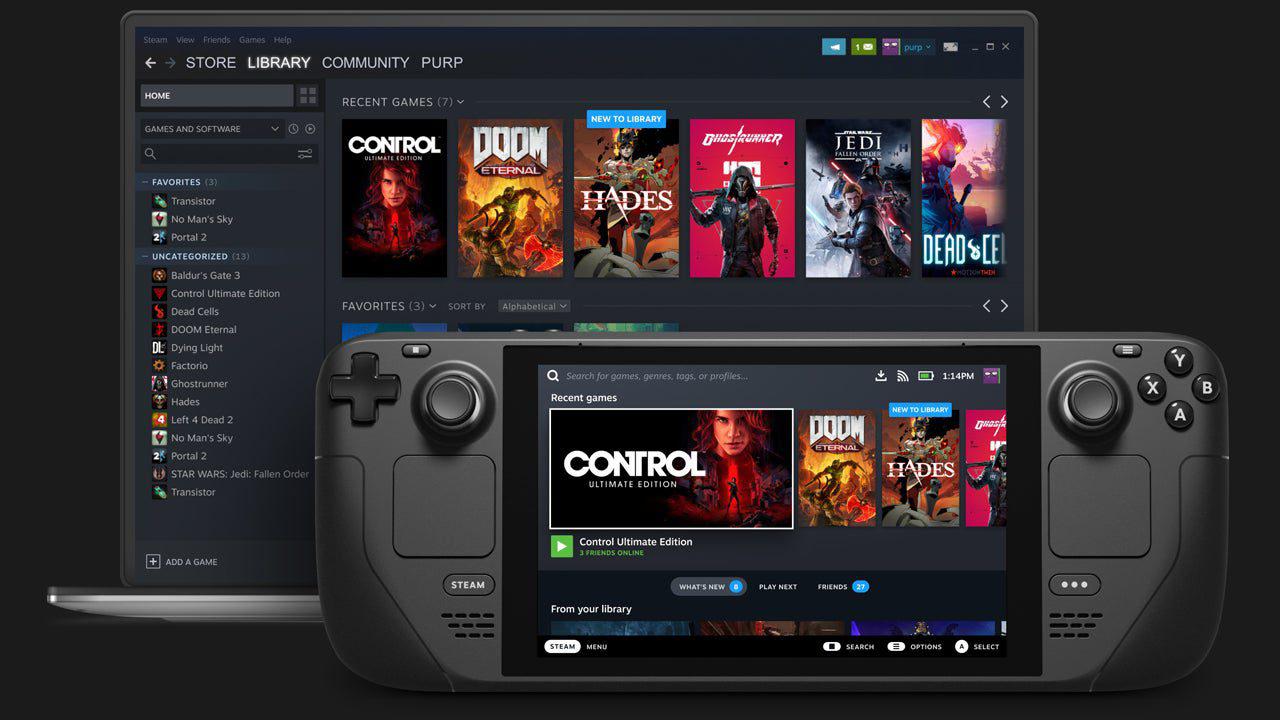
Kepler L2 said that Valve doesn't have a semi-custom SoC ready yet. Console makers like PlayStation and Xbox probably have their APU specs set in stone before they release their next systems. Valve, on the other hand, does not. This gives space for changes to the requirements. There are also claims that the original Steam Deck used a semi-custom APU, but that it will now employ a more off-the-shelf solution like other handheld devices.
Understanding the Rumors About Custom Silicon
We believe that it is important to be careful while interpreting these reports. Kepler's claim that Valve might not employ a semi-custom SoC like Xbox or PlayStation seems to be the source of the article that says "significant manufacturing changes." But this doesn't clearly show a complete transition away from bespoke silicon. It could also mean that an agreement hasn't been reached yet.
We think Valve acts in its own best interest. They will probably go for a semi-custom solution if a good bargain comes along. If not, they may have to use gear already on the market. It looks like there is no confirmed agreement for a bespoke SoC at this point.
Business and Supply Constraints
One possible explanation why there isn't a semi-custom offer is that manufacturers want customers to commit to big chip buys. According to reports, businesses like AMD may need pledges of almost 10 million units. We don't think Valve has sold that many Steam Deck machines yet, so making that kind of promise is hard. If you agree to buy that many without knowing for sure that you will sell them, you will be taking a risk with your inventory.
The first Steam Deck had two APUs, named Aerith and Sephiroth. According to reports, Valve was able to secure these chips because another partner backed out, so they didn't have to make major commitments. This might not happen again, which could make it difficult to get deals in the future.
Off-the-Shelf vs. Custom APU Strategy
We believe that switching to off-the-shelf hardware will make things harder. Using parts that are easy to find would make the device less unique and more like other handheld PCs on the market. The latest Steam Deck is more efficient and costs less in part because of its proprietary APU. If Valve uses standard parts, the gadget might no longer be able to do it.
You might also want to consider how using off-the-shelf gear lets competitors build similar setups. This makes things less exclusive and more competitive. Valve had a distinct efficiency edge for a while after the first APU came out, before identical chips hit the market.
Keeping a unique hardware profile helps to set your firm apart from others. We think Valve would rather have a solution that's hard to copy.
Demand from the Market and Pressure from the Industry
We can see that the Steam Deck's popularity has made more people want handheld APUs. More companies are entering this market, making it harder to get chips. This demand puts pressure on AMD, Intel, and Nvidia to ramp up manufacturing, but it won't happen right away.
Valve may now have to deal with the consequences of its own success. It is harder to get good deals when demand rises, especially for semi-custom designs. We believe Valve will keep trying to make these kinds of deals, but the process is becoming more difficult.
Timeline for Development and Readiness
We still think a 2028 release is possible, even though the hardware isn't finished yet. Developing the first Steam Deck required work across several areas, including controls, ergonomics, and software. Now that that experience is in place, work on a second-generation device may go more smoothly.
You should also consider that Valve is probably still prototyping internally. These prototypes change over time when new parts and design changes are added. Once a good chip or offer comes along, the final hardware choices may be set in stone.
Before they start making the game, we think Valve will wait until they find the optimal mix of performance, efficiency, and cost. They might put off releasing a product that doesn't meet their standards rather than releasing it.
Iteration and Finalizing the Product
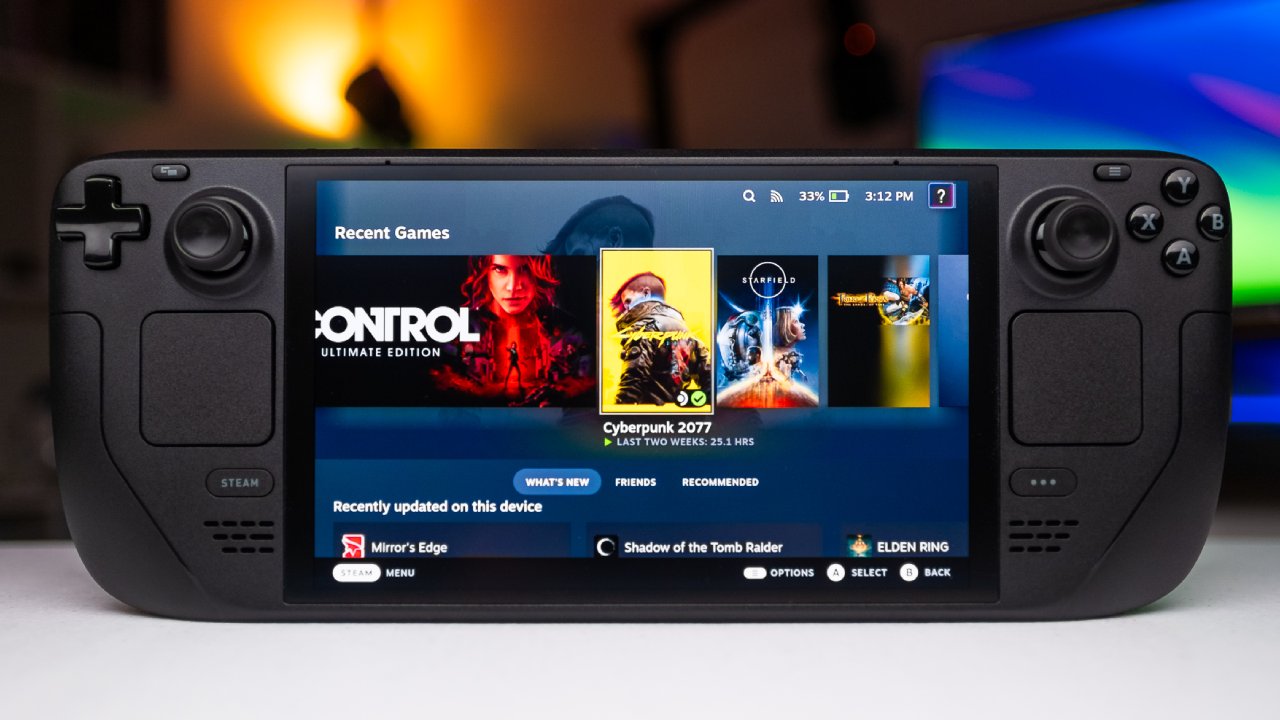
We believe that Valve uses an iterative method. We make many prototypes, from early physical concepts to working units. Each version improves the device until a final version is chosen.
You can be sure that one of these prototypes will become the final product once a hardware agreement is made. Until then, development continues without fully committing to a specific arrangement.
Final Thoughts
We think the 2028 timescale depends heavily on how many chips are available and whether suppliers agree to work with us. If Valve gets the correct APU in time, the release could go as planned. If not, delays could still happen.
Valve will probably put more emphasis on differentiation and efficiency than on getting products to market quickly. The final result will depend on how supply conditions change and whether a good semi-custom solution becomes available.
Also, check our other hardware articles:
- AMD Ryzen 9 9950X3D Review: Setting The Standard For 2025 Gaming CPU
- Amazon Luna 2025 Review: Is Prime Gaming's Cloud Service Your Go-To For Casual Fun?
- AMD RX 9070 XT Review: AMD's RDNA 4 Champion for 1440p Gaming
- GeForce Now Ultimate: Ditching Your Gaming PC For Cloud RTX 4080 Power?
- NVIDIA GeForce RTX 5080 Review (2025): Still A 4K Gaming Powerhouse?
- Intel Core Ultra 9 285K Review And Performance Breakdown (2025)
- AMD Ryzen 7 9800X3D Review: 3D V-Cache Goes God Mode with Stunning Gaming Performance
- Intel Core Ultra 9 285K vs AMD Ryzen 7 9800X3D: In-Depth Gaming Performance and Benchmark Comparison
- NVIDIA GeForce RTX 5080 Super Performance In Cyberpunk 2077: Path Tracing & DLSS 4.0 Tested
- AMD Radeon RX 9070 XT In Cyberpunk 2077: Ray Tracing & FSR 4.0 Tested
- Intel Arc B580 Review: The $250 GPU Revolutionizing 1440p Gaming
- Intel Arc B570 Vs. B580: Value, Specs, And Real-World Gaming Performance
- RTX 5090 Laptop Vs. M4 Max MacBook Pro: Ultimate Raw Performance Vs. Battery Endurance
- Intel Arc b580 Vs. RTX 4060: Game Performance And Value Analysis
- RTX5090 Hell Is Us Demo 4K Ultra Benchmark: DLSS Vs. Native Performance Guide
- NVIDIA RTX 5070 Review: Mid-Range Muscle or Marketing Hype?
- Nintendo Switch 2 Review: Handheld Performance, Features & Value Breakdown
- RTX 5070 Ti Review: Performance, Thermals & Power Efficiency Tested
- Samsung Odyssey OLED G81SF Review 2025: Ultimate 32-Inch QD-OLED Gaming Monitor
- AMD RX 9070 Performance Review: Thermals, Clocks, and Real-World FPS
- AMD Ryzen 5 7600 Review: Best Budget Gaming CPU of 2025?
- AMD Radeon RX 7800 XT Review: RDNA 3 Power For Midrange Gaming
- Asus ROG RTX 5090 Astral OC Vs. Founders Edition: The 4K Gaming Benchmark
Editor, NoobFeed
Gaming Hardware Updates
No Data.