
Steam Deck Price Hike Explained as Valve’s $950 Handheld Sells Out Fast
Steam Deck pricing increases reshape expectations around handheld gaming costs and long-term hardware affordability.
Hardware by Shinji Okazaki on Jun 04, 2026
Valve's Steam Deck price hike to $950 still didn't help sales. Valve Steam Deck price increase to $950 didn't stop sales either. Over time, gaming hardware has become more expensive rather than less, and the prices of consoles, handhelds, and components are rising across the industry.
The price hikes that used to be one-offs are now being seen across many products, and people are worried about affordability and how much it will cost to play with this new hardware in the future. Valve, which has always been one of the companies that hasn't seen significant price hikes for its hardware, is now adding to that trend with a big Steam Deck price bump.
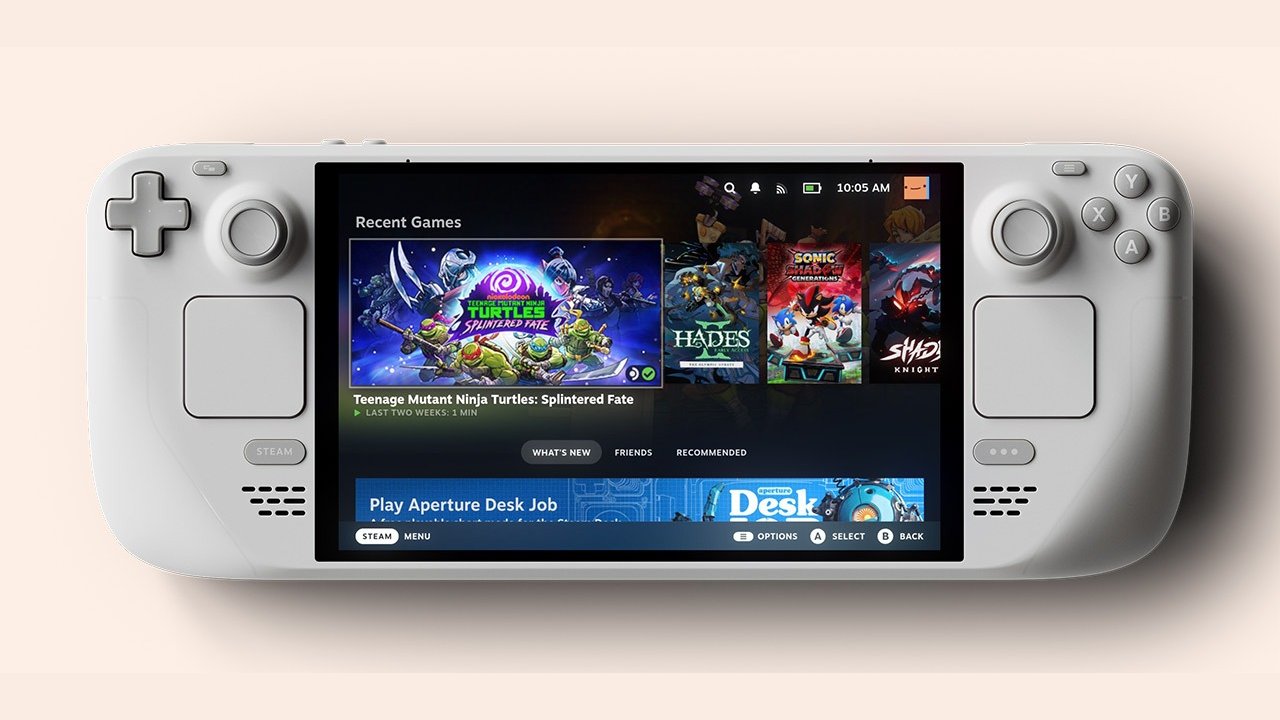
Valve has Revealed the Pricing for the Steam Deck
After some time, the price of gaming hardware rose across the board. PlayStation jacked up prices, Xbox jacked up prices, and then Nintendo did it too. Throughout, one question remained: who would be next? The final major stumbling block was Valve. It could simply have been a lack of parts, since availability was already becoming an issue. Finally, Valve raised the Steam Deck's price significantly.
Steam Deck is now available in two different versions. The 512GB version is priced at $789, and the 1TB version now costs $949. The reaction was immediate, as the increase was abrupt rather than gradual. After the shortages, the question on everyone's mind was whether or not the Steam Deck had come back in stock. Rather, the price hike seemed like a bolt from the blue.
At first, it seemed like a mistake, or a trick, and even had to be refreshed to get it right. After a race began online, the dismay over nearly $300 spread rapidly. Many assumed that this was finally the result of increasing RAM and storage costs at Valve. There was still some criticism, however, that the wait may not have been optimal and that the rate hike may have come as a surprise. This slow increase could have dampened the reaction.
A 4.5-year-old Gadget for a Greater Cost
The escalation also came at a time when the Steam Deck is old. Both the OLED model and the original Steam Deck have been around for roughly the same length of time, with the OLED being around three years old and the original Steam Deck being four years old, but they're still mostly based on the same hardware. Overall, the platform makes for a 4.5-year-old product line.
It was never regarded as a top processor when it was first released. Rather, it ended up in the middle of the road. That made it hard to digest when the premium model hit $1,000. The worry is not just for the Steam Deck. When it comes to the future, it's hard not to wonder about the price of future Valve hardware, like rumored systems based on the Steam hardware initiatives.
Who knows if a new handheld with new hardware won't be even more difficult to afford once it reaches this level? With the current price, it's hard to recommend the Steam Deck. For the hardware enthusiast or regular user, that's a near-$950 purchase that totally alters the equation. If you've already got a huge Steam library and were thinking about getting a handheld, you might think that's a better idea.
The current state of the industry doesn't make it easy to justify such a high investment in older machines. You don't necessarily have to do it right away; you can wait to see what's next.
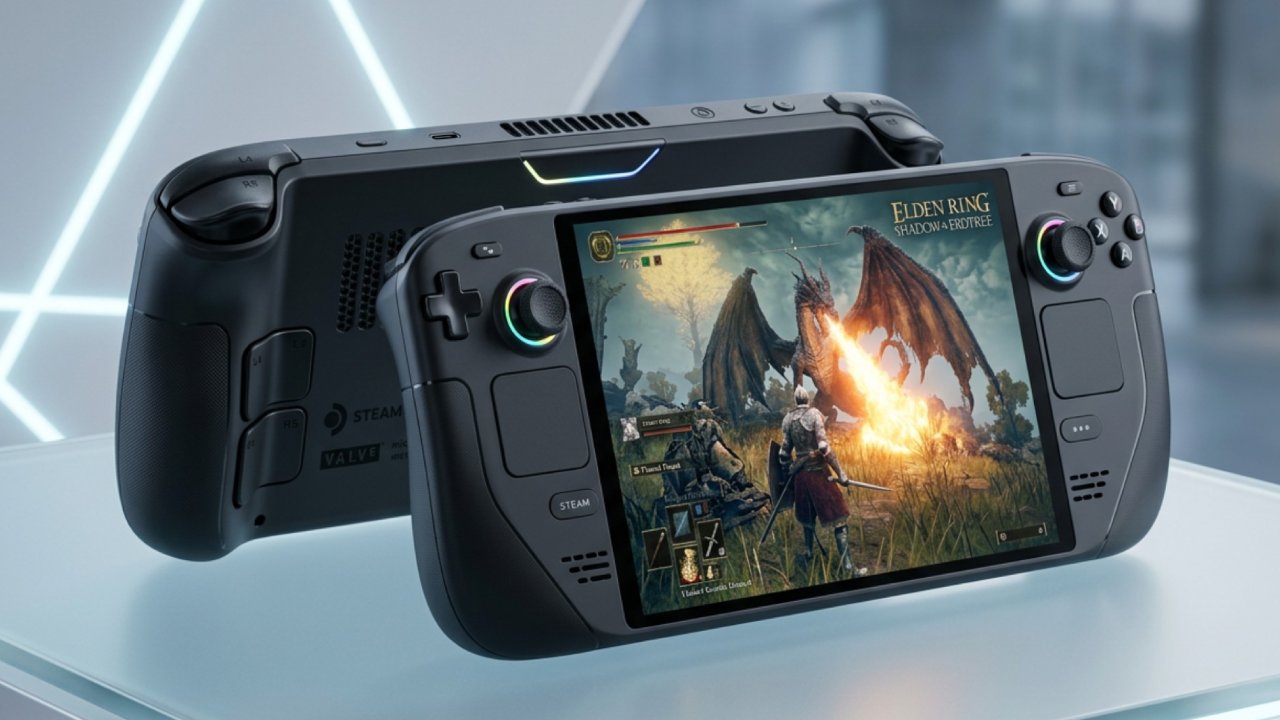
Higher Prices, the New Normal?
One of the larger concerns is whether prices will ever return to their previous levels, or whether this is the new norm. It is hoped that prices will continue to decrease, but it is not a foregone conclusion. Purchasing a console in 2020 is already in an unusual time when the actual cost of the console is less than the cost of the same console several years later. In the past, systems became less expensive as they aged.
As such, pricing is now an area of concern; what was once normal may no longer be, perhaps. Whilst prices could fall marginally in the future, a return to previous levels may no longer be realistic. Concurrently, firms might be reluctant to lower prices too quickly after a sufficient number of consumers have already paid higher prices. If too many buyers are willing to pay higher rates, cutting prices afterward may leave those who paid the higher prices dissatisfied with their purchase.
That leaves another option: perhaps companies can reset expectations for the next generation by lowering the pricing. Future hardware might come with lower package prices while still maintaining high-end machine prices. In that case, a new product cycle is the period during which it becomes affordable again.
Steam Deck is said to have sold out again post the price hike.
Many were disappointed that a device still in the $950 range flew out the door so quickly. In a few instances, restocks were temporarily seen, then disappeared, and in some cases, problems completing purchases were reported. That's an indication that demand stayed strong despite the price increase.
For a business, sellouts can reinforce pricing decisions, signaling that buyers still want the product at that price. The answer kind of is circular. Raising prices by buying makes buyers more irritated, but it also makes it easier for companies to maintain them. The problem is that Valve companies face different challenges than larger companies.
Valve's business model differs from those of companies with larger hardware ecosystems. The Steam Deck is still a niche console compared to other popular consoles. A lot of people remain unconvinced it is more than just a mobile console. This size reduction reduces buying power.
Other companies may only be able to raise their prices slightly, but if they have years of supplier relationships and larger manufacturing orders, they can benefit as well. Those advantages are not necessarily available to Valve. Meanwhile, there is risk in over-ordering inventory.
Once the number of handhelds becomes so large that they go unsold, production volume will no longer help; it will become a problem. That constraint makes it much more challenging to balance supply, price, and demand.
Editor, NoobFeed
Gaming Hardware Updates
No Data.