
Steam on Xbox and a Possible RTX 5090 Ti Could Reshape PC Gaming
Steam and Epic integration signals a shift toward a more open console ecosystem
Hardware by Tanvir Kabbo on Feb 11, 2026
According to industry estimates, the long-standing gap between consoles and PCs may be closing. It looks like the gaming world is about to shift in a big way.
Microsoft is said to be redesigning the next-generation Xbox to be built on a more open Windows platform, and Nvidia is said to be working on another ultra-premium GPU. The lines between "console" and "PC" are becoming less clear.
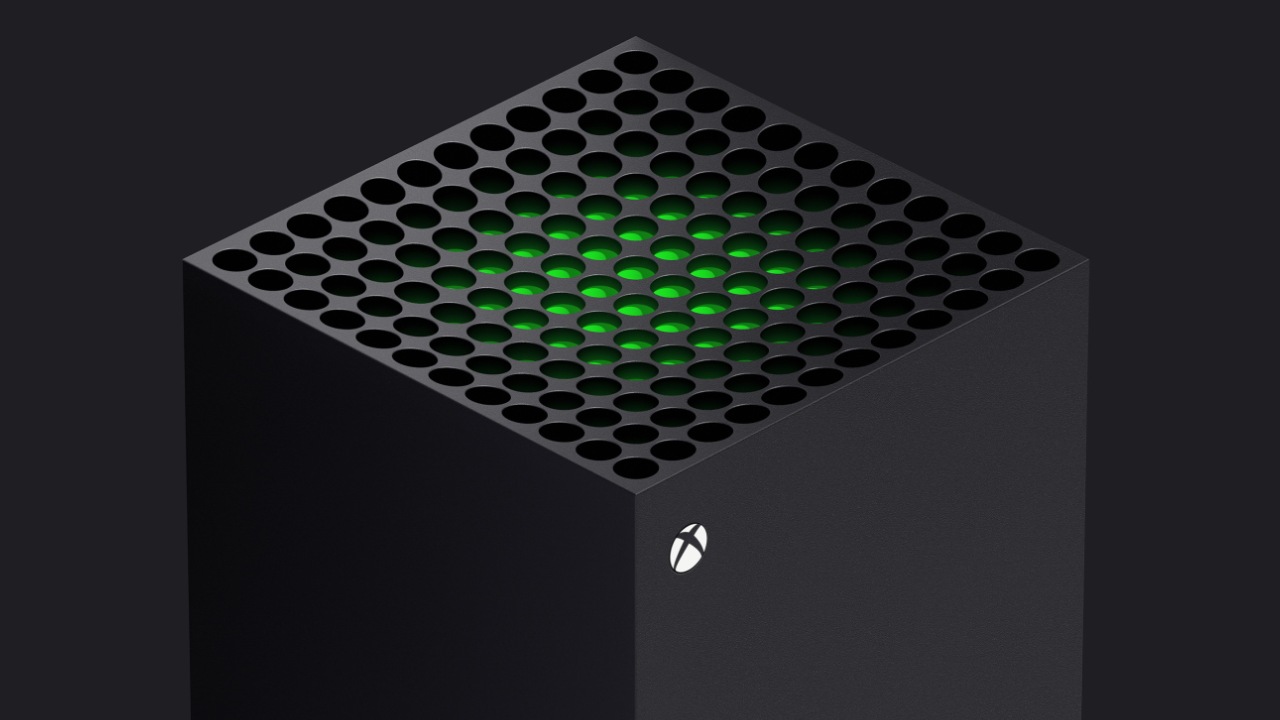
Steam Integration Could Redefine Xbox
Windows Central says Microsoft's next Xbox, scheduled for release around 2027, will be able to run almost anything that runs on Windows. The device will still seem like a console and be focused on TV, but it is said to be much more like a typical Windows 11 environment than prior Xbox versions.
If these reports are true, they have big consequences. The next Xbox might support third-party PC stores like Steam. That would let people use their existing Steam libraries directly from a console without having to buy the games again. There are also reports that Epic Games wants to bring the Epic Games Store to the platform, which could signal that Microsoft is preparing for a more open software ecosystem.
This would be a big change from the usual closed console approach, in which platform owners closely regulate program distribution and shops. Microsoft may be trying to make Xbox a versatile gaming device that can also serve as a living room PC, rather than just competing on exclusives and hardware.
This strategy could also help Valve reach its bigger goal of making Steam hardware. If Microsoft adds support for PC storefronts at the system level, it might blur the distinction between a Steam Machine-style device and an Xbox console. At that point, the most important differences may not be access to games, but things like user experience, price, and ecosystem services.
NVIDIA's Potential RTX 5090 Ti Strategy
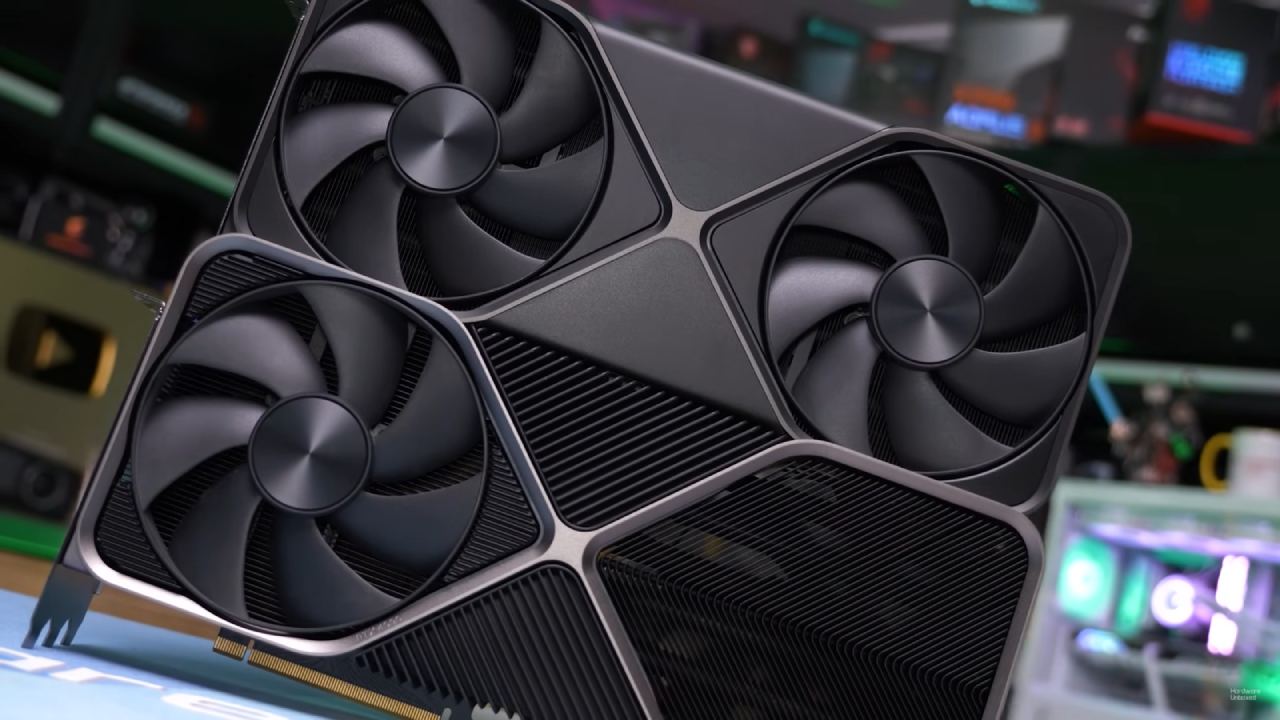
Microsoft's rumored ambitions seem to be focused on expanding its ecosystem. In contrast, Nvidia seems to be focusing on being the best at high-end performance. According to reports from overclocking.com, Nvidia is getting ready to unveil a new top-of-the-line GPU later this year. The business might not release a regular Super refresh, which is said to be delayed or canceled. Instead, it might release an RTX 5090 Ti or possibly a Titan-class version.
At first glance, putting an even more expensive card on the market could seem excessive. However, reports say the RTX 5090 is selling at very high retail prices, mostly due to markups from retailers and board partners. NVIDIA could justify a higher official MSRP and get more of that premium directly by introducing a faster, higher-tier product with better yields and possibly more active cores.
The projected Q3 launch window aligns with a plan to keep things going at the top of the market. Instead of just relying on mid-cycle updates, Nvidia might strengthen its lead in ultra-enthusiast performance. At the same time, its competitors try to catch up.
Convergence and Pressure from Competitors
These changes point to a bigger trend of hardware and software coming together. Consoles are starting to look more like PCs, while PC GPUs are still moving into more specialized, high-end markets. The line between plug-and-play consoles and PCs that can be customized is getting less obvious.
This could give gamers more options. If libraries were portable, storefronts could be accessed from any platform, and hardware combined the ease of use of a console with the capability of a PC, it would be easier to buy and play games. At the same time, rising prices for high-end GPUs indicate that top-notch performance will remain a luxury.
It looks like the competition among Microsoft, Nvidia, AMD, and Valve is intensifying. Each firm is preparing for a future in which hardware, software, and distribution are closely linked. They are doing this through open ecosystems, AI-driven rendering technologies, and next-generation silicon.
If these rumors are true, the next several years might change not only how games work, but also where and how people play them. The lines that once separated gaming platforms are slowly fading, pointing to a more unified yet highly competitive landscape.
Also, check our other AMD articles below:
- AMD Ryzen 9 9950X3D Review: Setting The Standard For 2025 Gaming CPU
- AMD Ryzen 7 9800X3D Review: 3D V-Cache Goes God Mode with Stunning Gaming Performance
- AMD RX 9070 Performance Review: Thermals, Clocks, and Real-World FPS
- AMD Ryzen 5 7600 Review: Best Budget Gaming CPU of 2025?
- AMD Radeon RX 7800 XT Review: RDNA 3 Power For Midrange Gaming
- Sapphire NITRO+ AMD Radeon RX 9070 XT Review: The Ultimate 4K Gaming GPU
- AMD Ryzen 7 7800X3D: Delivers Gaming Performance Far Beyond Expectations
- AMD Ryzen 9 7900X Review: Powering the AM5 Era with DDR5 & PCIe 5.0
- Intel Core i9‑14900K vs. AMD Ryzen 7 7800X3D: Power Profiles & Gaming Benchmarks
Senior Editor, NoobFeed
Gaming Hardware Updates
No Data.