
Valve’s SteamOS Expansion Challenges Microsoft’s Hybrid Console and PC Gaming Strategy
Hybrid console and PC strategies depend on creating a seamless Windows gaming experience to retain user engagement.
Hardware by Tanisha Aria on Nov 19, 2025
As PC games continue to change, Microsoft and Valve are moving in different, but more competitive, directions. As Valve moves forward with new Steam Deck hardware and the idea of a revived Steam Box running Linux, more questions are being raised about Microsoft's plan to move Xbox to a unified Windows-based world.
As more people criticize Windows games and praise Steam on both PCs and handhelds, the relationship between the two companies is likely to change in the coming years, particularly with Microsoft's Hybrid Console–PC Strategy Under Pressure.
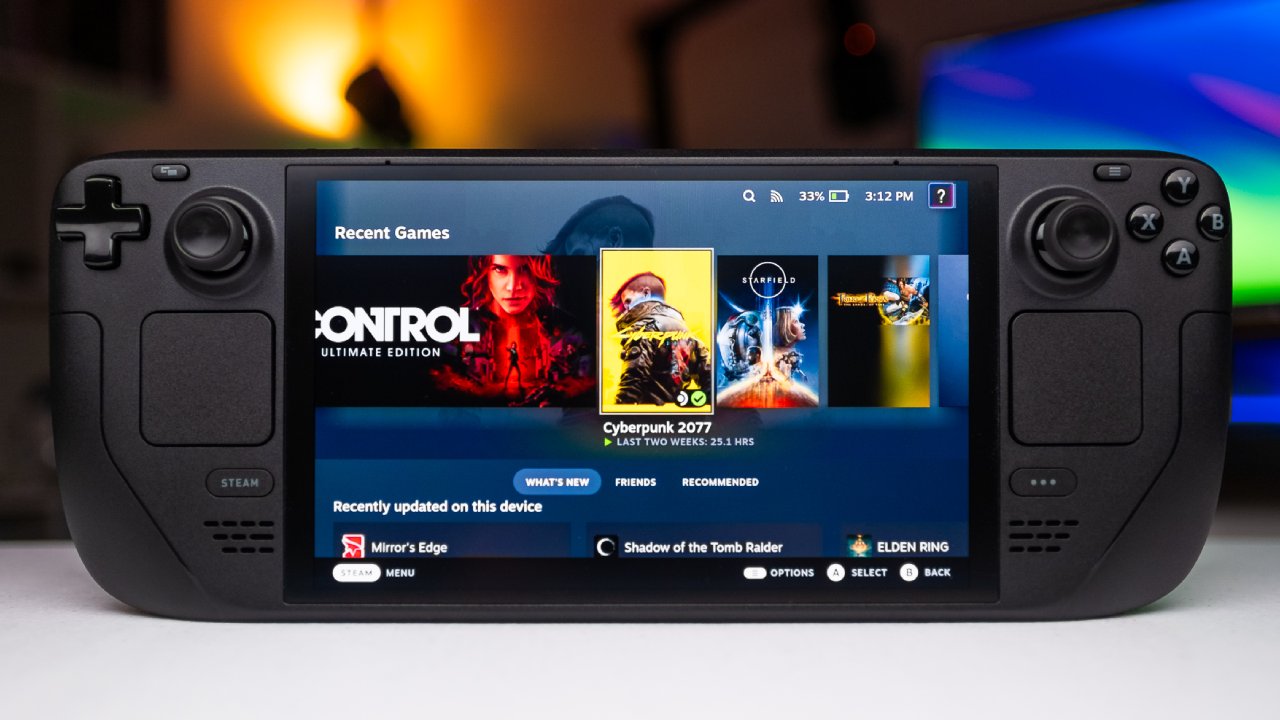
Microsoft is testing a long-term plan to integrate consoles and PCs into a single Windows-based platform. Early signs indicate that Windows 11 or a customized version of it is being used in this case.
In theory, only about 3% of Steam users still play games on Linux, and SteamOS only makes up a small part of that. Even though those numbers might not seem alarming at first, they are part of a larger problem: Windows is becoming increasingly difficult for many games to use.
The rise of the Steam Deck is a turning point for us. Valve is selling hardware that addresses issues still present in Windows, primarily in terms of stability, background processes, UI friction, and services that interfere with other tasks.
As Microsoft moves into its next era of hybrid hardware, its ability to provide a stable, purpose-built gaming experience could determine whether it remains on top or users shift toward Valve's ecosystem.
Linux Hardware Expansion and Nvidia Driver Maturity
Increasingly, PC enthusiasts are predicting that Linux-compatible game hardware will soon be available on a wider range of computers. Currently, SteamOS performs best with AMD hardware; however, Nvidia's basic Linux driver stack is continually improving.
Things will change significantly once Linux drivers make features like ray tracing, reconstruction, and DLSS as easy to implement as those for Windows.
We know that many well-known reviews, including those from Hardware Unboxed and Gamers Nexus, have stated that Windows is becoming increasingly difficult to use every day.
Often, the operating system appears to prioritize selling services over making things easier for users. As soon as Linux supports all current graphics cards and is hardware-independent, many PC users will seriously consider switching, and we believe many enthusiasts will too.
Steam's Position on Both Windows and Linux
We understand Valve's strategy advantage: they already have the most popular storefront for Windows games. That means Steam is still the best place to play games on a PC, even for those who prefer to stay within the Windows ecosystem.
Valve doesn't lose users from their current base when people switch from Windows to SteamOS. Instead, they gain new users. This is also how Valve is gradually shifting people toward a world where Steam is merely a platform, rather than an operating system.
People who own a Steam Deck are already using Linux, so they don't even have to think about it. Suppose Valve continues to improve its OS and hardware. In that case, more users may switch on their own, especially if Microsoft doesn't address the issues with Windows that involve ads, UI clutter, and system apps that get in the way.
.jpg)
Microsoft's Need for a Compelling Gaming Layer in Windows
We know that one of Microsoft's biggest problems is that they have never made a Windows-based gaming service or interface that people would actually want to use. The Xbox Game Bar, Windows Store, and Xbox games are still not nearly as reliable or easy to use as Steam.
To make Microsoft's unified PC–console plan work, they need to add a smooth, appealing gaming layer to Windows. They should draw inspiration from the Xbox console's simple and focused interface.
We believe that Microsoft has been held back for more than a decade because it hasn't been able to deliver this. Even on Windows hardware, Steam will still be the best hub if the new approach doesn't significantly improve things.
Steam Machines, SteamOS, and Lessons From the Past
We remember the early Steam Machines project from 2012. Although it wasn't successful at the time, it laid the groundwork for what the Steam Deck would ultimately achieve.
It feels different now to look back at what Gabe Newell said back then. His warnings about Windows 8 and focus on long-term platform freedom make a lot more sense now that Windows 11 is being criticized.
What seemed like a pipe dream before the Steam Deck became a common way for Linux gamers to play games. Valve improves both its store and its OS with each new piece of hardware.
The Future of Interfaces, Input, and Microsoft’s Direction
We also remember Newell's predictions about how input would change over time, from the mouse and computer to touch and beyond. Even though his comments about tongue input were meant to be funny, his main point about new ways of interacting is still worth mentioning.
Sensor-driven wristbands, hands-free or gesture-based systems, and the evolution of VR/AR input all indicate that the industry is gradually moving beyond standard interfaces. These ideas haven't caught on with many people yet, but they show how far ahead of their time Valve was thinking back then.
In the meantime, people are still having trouble with Windows. We've seen Co-pilot install itself, return after attempts to remove it, and become deeply integrated with the OS.
People still believe that Microsoft is promoting a service-based approach instead of a user-first computing experience. If Windows turns into a "Co-pilot-first" system, people may want to switch to a more open platform. Market Shifts and the Growing Relevance of Linux.
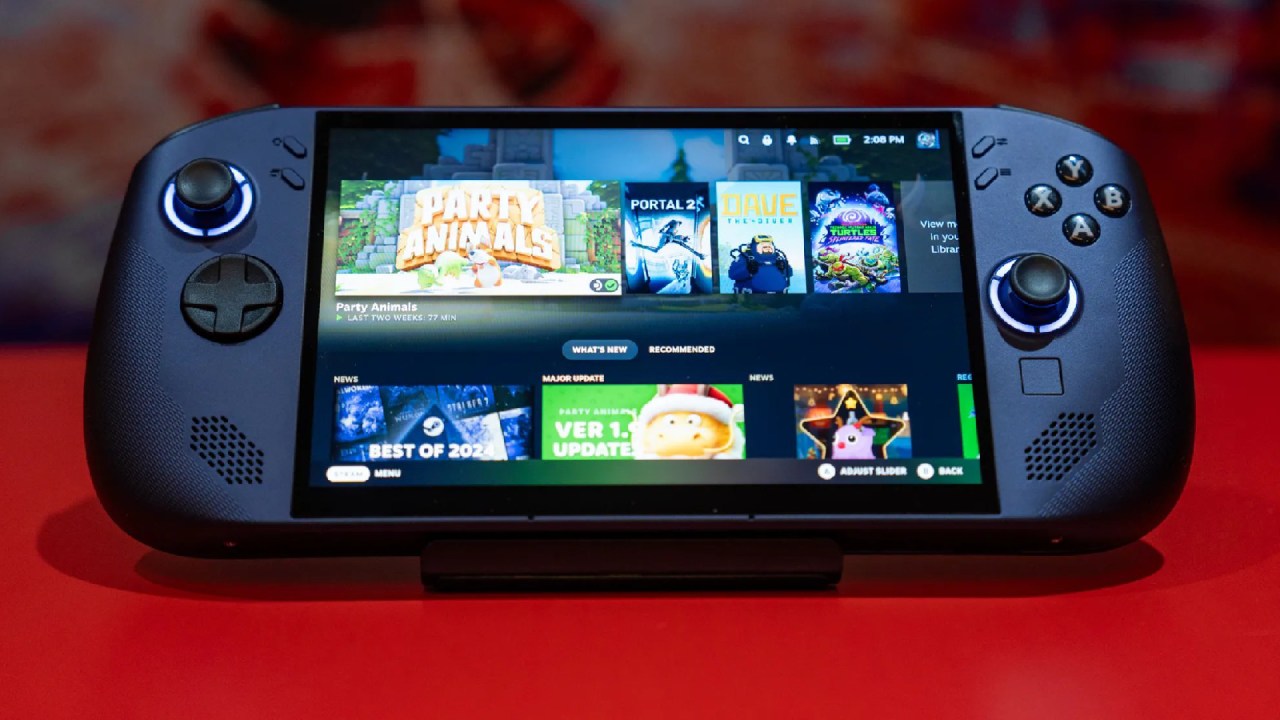
Linux users currently make up only about 3% of Steam users, which may not seem like a significant number, but it's clear that things are changing. Better drivers, more hardware support, and Valve's popular handhelds all point in the right direction for continued growth.
There's no doubt that what Microsoft does next will determine whether Windows remains on top or Linux makes a significant impact in the popular gaming market.
Final Thoughts
In general, the next few years will reveal whether Microsoft can adapt to keep pace with the growing competition or whether Valve's expanding hardware and OS environment will garner more attention and market share. There are many signs that a competitive transformation is happening, and the result is no longer set in stone.
Also, check our other hardware articles:
- AMD Ryzen 9 9950X3D Review: Setting The Standard For 2025 Gaming CPU
- Amazon Luna 2025 Review: Is Prime Gaming's Cloud Service Your Go-To For Casual Fun?
- AMD RX 9070 XT Review: AMD's RDNA 4 Champion for 1440p Gaming
- GeForce Now Ultimate: Ditching Your Gaming PC For Cloud RTX 4080 Power?
- NVIDIA GeForce RTX 5080 Review (2025): Still A 4K Gaming Powerhouse?
- Intel Core Ultra 9 285K Review And Performance Breakdown (2025)
- AMD Ryzen 7 9800X3D Review: 3D V-Cache Goes God Mode with Stunning Gaming Performance
- Intel Core Ultra 9 285K vs AMD Ryzen 7 9800X3D: In-Depth Gaming Performance and Benchmark Comparison
- NVIDIA GeForce RTX 5080 Super Performance In Cyberpunk 2077: Path Tracing & DLSS 4.0 Tested
- AMD Radeon RX 9070 XT In Cyberpunk 2077: Ray Tracing & FSR 4.0 Tested
- Intel Arc B580 Review: The $250 GPU Revolutionizing 1440p Gaming
- Intel Arc B570 Vs. B580: Value, Specs, And Real-World Gaming Performance
- RTX 5090 Laptop Vs. M4 Max MacBook Pro: Ultimate Raw Performance Vs. Battery Endurance
- Intel Arc b580 Vs. RTX 4060: Game Performance And Value Analysis
- RTX5090 Hell Is Us Demo 4K Ultra Benchmark: DLSS Vs. Native Performance Guide
- NVIDIA RTX 5070 Review: Mid-Range Muscle or Marketing Hype?
- Nintendo Switch 2 Review: Handheld Performance, Features & Value Breakdown
Contributor, NoobFeed
Gaming Hardware Updates
No Data.