
Switch 2 Could Hit $500 in 2026 as Nintendo Faces Rising Costs
Rising component costs and changing market dynamics make a Nintendo Switch 2 price increase increasingly probable in 2026.
Hardware by Tanvir Kabbo on Feb 18, 2026
It's no longer just about growing hardware costs. Reports suggest Nintendo might raise the price of the Nintendo Switch 2 in 2026. If you pay attention to trends in components and what executives say, this news shouldn't come as a surprise.
Yesterday’s Price Is Not Tomorrow’s Price
It was evident for months that the price yesterday is not the price today, and the price today is not the price tomorrow. The costs of parts do not stay the same. Companies inevitably raise prices when production costs rise.
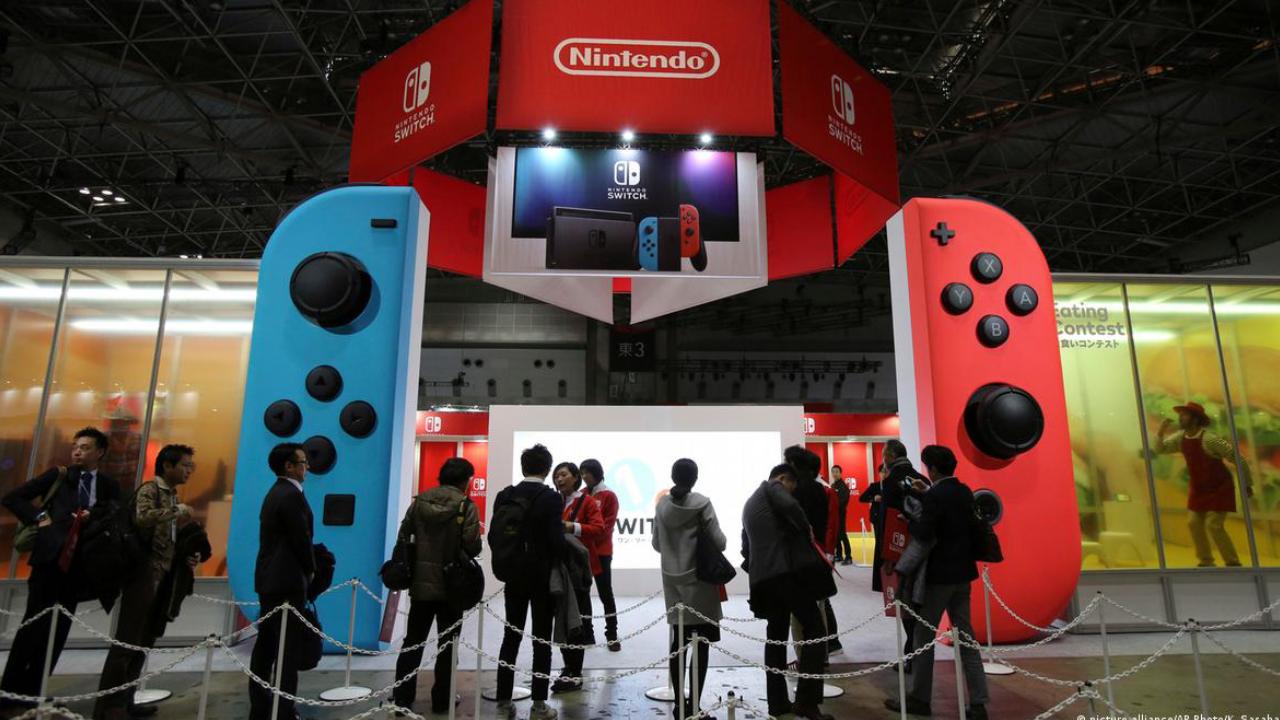
Bloomberg reports that Nintendo is considering raising prices in 2026. Some people seem astonished, but the rationale is obvious. This is a job. Margins on hardware are important. Shareholders want the company to make money.
This change is also reflected in the leadership tone. Shuntaro Furukawa's messaging focuses on financial discipline and long-term growth. That way of doing things is different from how things used to be done. If sourcing crucial parts costs more, the ecosystem must find a way to cover the extra cost.
Timing the Increase
Timing will be very important if the price goes up. March 31st is the last day of the fiscal year. Statements of stability in the current fiscal year leave room for things to alter just after that. That makes sense at an early or mid-summer time.
We may see a situation where the base model costs $500 without software included. A $50 increase may not seem like much, but it changes how people think about the product. But changes to the strategy can lessen the effect. Temporary price cuts around the holidays, bundled digital titles, or short-term subscription deals could help sustain sales during busy periods.
You might think the holiday season is the best time to raise prices, but it would be a bad idea. A summer change, followed by more flexible promotions later in the year, better aligns with sales cycles.
.jpg)
Reality of Modern Hardware Economics
The world of gaming has evolved. Supply chains are under significant stress. Advanced semiconductor capacity is used up by AI infrastructure. The costs of making things change quickly. These forces affect Nintendo, too.
If you think that hardware prices would stay the same as global production costs go up, you are ignoring the facts of the market. Businesses need to find a balance between making things easy to get to and making them last.
A possible price rise does not mean failure. It is a sign that the economy is changing. We can argue about whether $500 is the best price, but we can't deny how prices for parts are going up.
When you think about it logically, the true question isn't if the price of the Switch 2 will go up, but when it will. The industry is now in a time where hardware cycles last longer, profits are smaller, and timing is more important than ever.
Also, check our other Handheld articles below :
- ASUS ROG Ally X Handheld Review: Double the Battery, Double the Comfort
- Nintendo Switch 2 Vs. Original Switch 1: A Full Comparison
- How To Connect A Camera And Join Voice Chat With Nintendo Switch 2
- Nintendo Switch 2 Review: Handheld Performance, Features & Value Breakdown
- ROG Xbox Ally X Vs. ROG Ally X: Display, Battery & Controls
- ASUS ROG Ally X vs. Steam Deck OLED: Display, Battery & Gaming Benchmarks
- MSI Claw 8 AI+ Review: Display, Controls & Gaming
- Nintendo Switch 2 vs. Steam Deck OLED: Gaming, Performance, Battery, Display and Value
- NVIDIA GeForce Now on Steam Deck: Battery Life, Gameplay, Streaming
Senior Editor, NoobFeed
Gaming Hardware Updates
No Data.