
Will PS5 Pro Get Long Term Support or Fade With PS5
PS5 and PS5 Pro compatibility ensures scalable performance across multiple platforms without fragmenting the player base.
Hardware by Tanvir Kabbo on Apr 13, 2026
As hardware evolves, AI is added, and development costs rise, the future of console generations is becoming increasingly complex. There are rumors regarding the next PlayStation and new developments in GPU architectures.
This has led to discussions about how long current-generation consoles, especially improved ones like the PS5 Pro, should be relevant. The main point of the discussion is whether long-term cross-generation support is possible and whether incremental console improvements may take the place of traditional generational transitions.
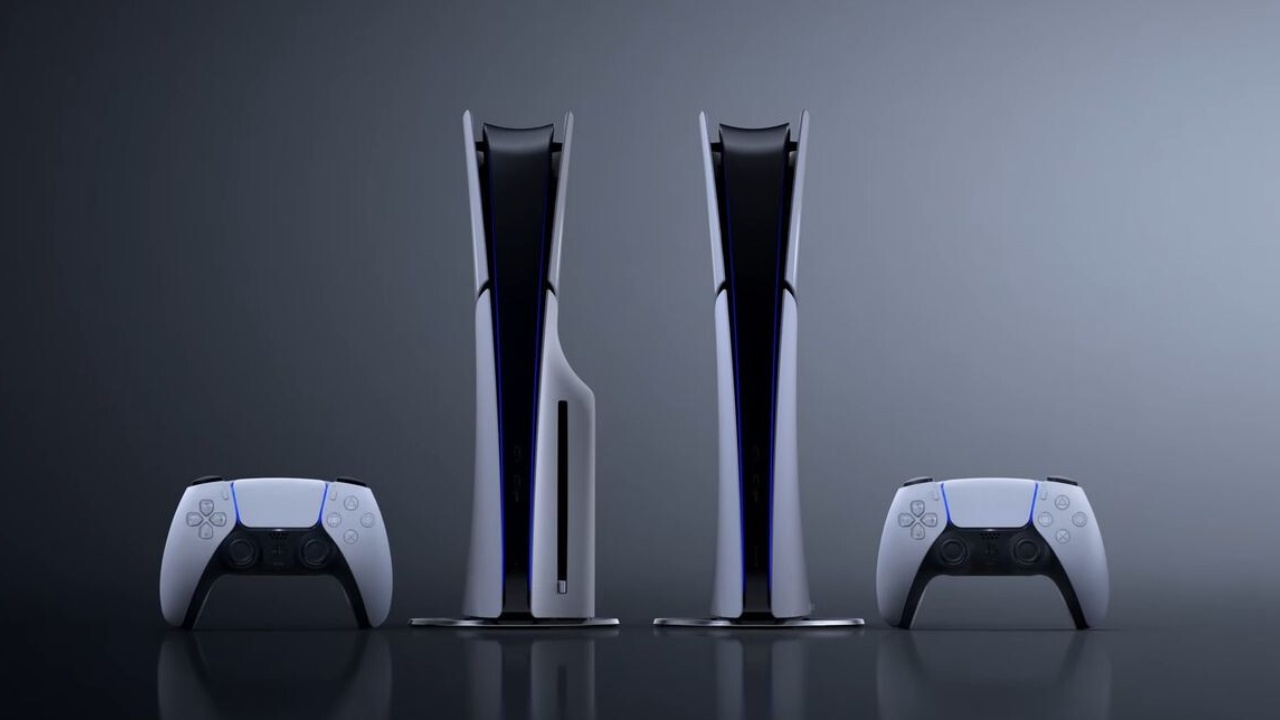
The Case for Extended Cross-Generation Support
As Sony gets ready for its next system, the idea of extending the cross-gen period just for Pro models poses some very important considerations. If you just bought a PS5 Pro, how long should you anticipate to be able to play games on it? Six years or just two to three years before the next generation comes out?
From a technical standpoint, it doesn't make sense to support only the PS5 Pro. The original PS5 can accomplish almost everything the PS5 Pro can, albeit at lower resolution or frame rate. There is no good reason why a game that comes out on PS5 Pro couldn't also run on PS5. This is because the two systems have extremely comparable CPU architectures, which mostly determine frame rate stability and performance goals.
The PS5 Pro doesn't make much of a difference in many situations, even when playing games that work on older systems. The most visible difference is generally in features like PSSR, which are currently the main reason people want the Pro model. It wouldn't make sense to only offer assistance for the Pro version because of this.
Market Realities and Hardware Adoption
Cross-generational support is likely to continue, mostly because it makes sense from a business perspective. There just aren't enough PS5 Pro units out there to make it worth it to only make games for that platform. Instead, developers will probably keep making games for both the PS5 and the PS5 Pro, with better versions accessible for the latter.
In the past, even powerful mid-generation upgrades like the Xbox One X were phased out along with their base versions. Even though it was a very powerful device, it was still part of the Xbox One family and didn't get any further support on its own. The PS5 Pro is likely to follow a similar pattern, meaning its lifecycle will probably be the same as the standard PS5's.
Also, the PS5 is probably the most common piece of hardware installed, accounting for 80% or more of total sales. This makes it the main target for developers. It wouldn't make sense to prioritize a smaller Pro audience.
The Role of Handhelds and Multi-Platform Targets
The prospect of a new handheld console is another thing that affects cross-gen strategy. If a device like this comes out with performance that is closer to, or even a little below, the base PS5, it shows even more how important it is to be able to make games that run on multiple systems.
When developers are working on a PS6 home console, a portable system, the PS5, and the PS5 Pro simultaneously, the baseline performance level becomes very important. The PS5 and handheld may be the starting point, and the Pro and next-gen consoles might make things even better. Machine learning abilities may vary between platforms; fallback options with lower graphical fidelity would keep games compatible.
A longer cross-gen span is not just feasible but expected as making games becomes more complicated and expensive. It might survive for five to six years into the next generation, which would be practically the whole life cycle of the PS6.
PS6 Architecture and the Move Toward AI-Driven Graphics
Recent reports say that the next PlayStation system will use a novel UDNA design that combines parts of RDNA and CDNA. This aligns with the industry trend toward hybrid rendering methods that combine AI and machine learning.
Companies are putting more emphasis on improvements beyond just scaling up silicon; the focus is changing from just adding more raw hardware power to smarter rendering approaches. We've already seen early examples of these kinds of techniques, which show how they could completely change the way images are made.
But this change raises questions about how well different generations will work together. If the new architecture uses rendering methods very different from the old ones, games on next-gen hardware could look very different from those on cross-gen hardware. This could make it harder to keep the same level of performance across all platforms.
Development Challenges and Industry Competition
AI-driven rendering is becoming increasingly popular, changing the way businesses compete. Companies with large research departments and many GPUs will have an obvious edge. It takes a lot of money to develop cutting-edge graphical approaches, and not all platform holders have the same level of funding as the biggest GPU makers.
This makes working together increasingly crucial. To stay competitive, console and hardware makers may need to work more closely together. This is especially true, as proprietary technology is unlikely to be shared within ecosystems that compete with one another.
.jpg)
Hardware Innovations and Performance Expectations
Some leaked information says that the next PlayStation might come out in 2027. It will be made using the latest manufacturing nodes, such 2nm and 3nm. It will have CPU and GPU architectures that are next-generation. These kinds of specs suggest a design that looks to the future and might make a bigger leap than previous generations.
Some talks have mentioned technologies like 3D V-Cache. Still, they probably won't be added to consoles due to cost and design constraints. Consoles focus on being efficient and cheap, and while these improvements can improve performance—sometimes by up to 20% in some cases—they don't match the big performance spikes that people usually expect between console generations.
Instead, big changes are predicted to come from better architecture, including moving from Zen2 to newer CPU designs, and from improved GPU capabilities enabled by AI and ray tracing.
A Future of Iterative Console Evolution
The old idea of separate console generations may be slowly replaced by a more iterative paradigm, with hardware updates every few years. In this case, cross-gen compatibility will be a permanent feature instead of a temporary one.
Long-term support for current systems, performance that can be scaled across numerous devices, and the adoption of AI-driven technologies all point to a future where console ecosystems don't start over every generation but keep getting better.
Also, check our other hardware articles:
- AMD Ryzen 9 9950X3D Review: Setting The Standard For 2025 Gaming CPU
- Amazon Luna 2025 Review: Is Prime Gaming's Cloud Service Your Go-To For Casual Fun?
- AMD RX 9070 XT Review: AMD's RDNA 4 Champion for 1440p Gaming
- GeForce Now Ultimate: Ditching Your Gaming PC For Cloud RTX 4080 Power?
- NVIDIA GeForce RTX 5080 Review (2025): Still A 4K Gaming Powerhouse?
- Intel Core Ultra 9 285K Review And Performance Breakdown (2025)
- AMD Ryzen 7 9800X3D Review: 3D V-Cache Goes God Mode with Stunning Gaming Performance
- Intel Core Ultra 9 285K vs AMD Ryzen 7 9800X3D: In-Depth Gaming Performance and Benchmark Comparison
- NVIDIA GeForce RTX 5080 Super Performance In Cyberpunk 2077: Path Tracing & DLSS 4.0 Tested
- AMD Radeon RX 9070 XT In Cyberpunk 2077: Ray Tracing & FSR 4.0 Tested
- Intel Arc B580 Review: The $250 GPU Revolutionizing 1440p Gaming
- Intel Arc B570 Vs. B580: Value, Specs, And Real-World Gaming Performance
- RTX 5090 Laptop Vs. M4 Max MacBook Pro: Ultimate Raw Performance Vs. Battery Endurance
- Intel Arc b580 Vs. RTX 4060: Game Performance And Value Analysis
- RTX5090 Hell Is Us Demo 4K Ultra Benchmark: DLSS Vs. Native Performance Guide
- NVIDIA RTX 5070 Review: Mid-Range Muscle or Marketing Hype?
- Nintendo Switch 2 Review: Handheld Performance, Features & Value Breakdown
- RTX 5070 Ti Review: Performance, Thermals & Power Efficiency Tested
- Samsung Odyssey OLED G81SF Review 2025: Ultimate 32-Inch QD-OLED Gaming Monitor
- AMD RX 9070 Performance Review: Thermals, Clocks, and Real-World FPS
- AMD Ryzen 5 7600 Review: Best Budget Gaming CPU of 2025?
- AMD Radeon RX 7800 XT Review: RDNA 3 Power For Midrange Gaming
- Asus ROG RTX 5090 Astral OC Vs. Founders Edition: The 4K Gaming Benchmark
Senior Editor, NoobFeed
Gaming Hardware Updates
No Data.