
Major Changes at Xbox Continue as Leadership Restructuring Raises Concerns
Continuous internal changes and new initiatives indicate a pivotal moment for Xbox as it redefines its platform strategy and identity
Hardware by Tanvir Kabbo on Mar 24, 2026
Another day brings another significant shakeup within the Xbox brand. Over the past three weeks, Xbox has gone through what can only be described as a turbulent and transformative period. An era of change is clearly underway, with the old regime stepping out and a new one stepping in.
Discussions around Project Helix, a renewed focus on core gaming values, the introduction of co-pilot features, and even dashboard customization updates signal a company trying to redefine itself.
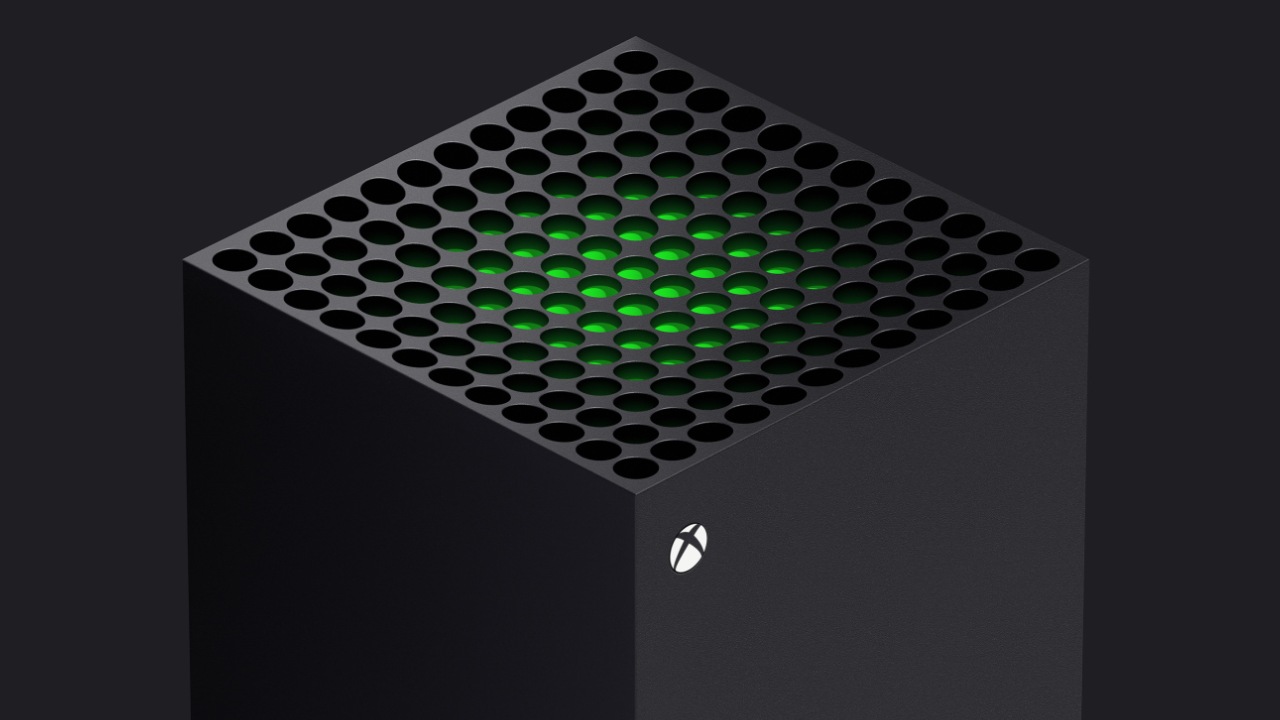
At the same time, every move Xbox makes is now being closely examined—and rightfully so. There is growing skepticism toward corporate messaging, especially when past communication has sometimes included misdirection or inaccurate information. A more critical approach feels necessary rather than blindly accepting everything at face value.
Lori Wright’s Departure Raises Questions
One of the latest developments involves Xbox corporate vice president Lori Wright, who is set to leave the company in the coming weeks, according to a LinkedIn update. Wright played a major role in leading third-party relations, global partnerships, and business development for Xbox.
This departure stands out because it comes amid several other leadership changes. On the surface, it could simply be a career move. However, when we take a closer look, it feels more connected to the broader restructuring happening within Xbox.
Wright reportedly worked closely with Sarah Bond on multiple initiatives. With Sarah no longer stepping into the CEO role and reportedly leaving as well, it creates a logical chain reaction. When leadership structures shift, those closely aligned with previous executives often find themselves in uncertain positions.
A Broader “Cleaning House” Strategy?
From one perspective, this could indicate that Xbox is actively “cleaning house,” removing remnants of the previous leadership structure. We can interpret this as part of a larger effort to reshape the company’s direction.
At the same time, we can also see the personal side of it. If someone you directly report to exits the company—especially under pressure—it naturally creates instability. Wright’s departure could reflect both organizational restructuring and individual career decisions influenced by those changes.
Were Third-Party Relations Actually Weak?
There has been a mixed reaction to Wright’s exit. Some argue that Xbox’s third-party partnerships have been weak in recent years. However, that claim does not fully hold up under scrutiny.
We can see that most major third-party games still launch on Xbox. Despite lower hardware sales compared to competitors, Xbox continues to secure releases, marketing deals, and showcase partnerships. That is not a sign of failure—it is arguably a sign of strong negotiation and relationship management.
Yes, globally, Xbox has struggled in certain regions. That has been a long-standing issue rather than something unique to recent leadership. But in terms of third-party support overall, the platform has remained consistently included in major releases.
The Project Helix Factor
Another angle worth considering is how Project Helix could be influencing these changes. If Xbox is shifting toward a more PC-aligned ecosystem, the need for traditional third-party console-specific development may decrease.
From a developer’s standpoint, creating a PC version that also works seamlessly with Project Helix could eliminate the need for a separate Xbox build. This would reduce costs, simplify development pipelines, and align with industry trends favoring efficiency.
If that becomes the norm, we have to ask: Does Xbox still need a dedicated executive overseeing traditional third-party relations in the same way? The role itself could be evolving—or becoming less central.
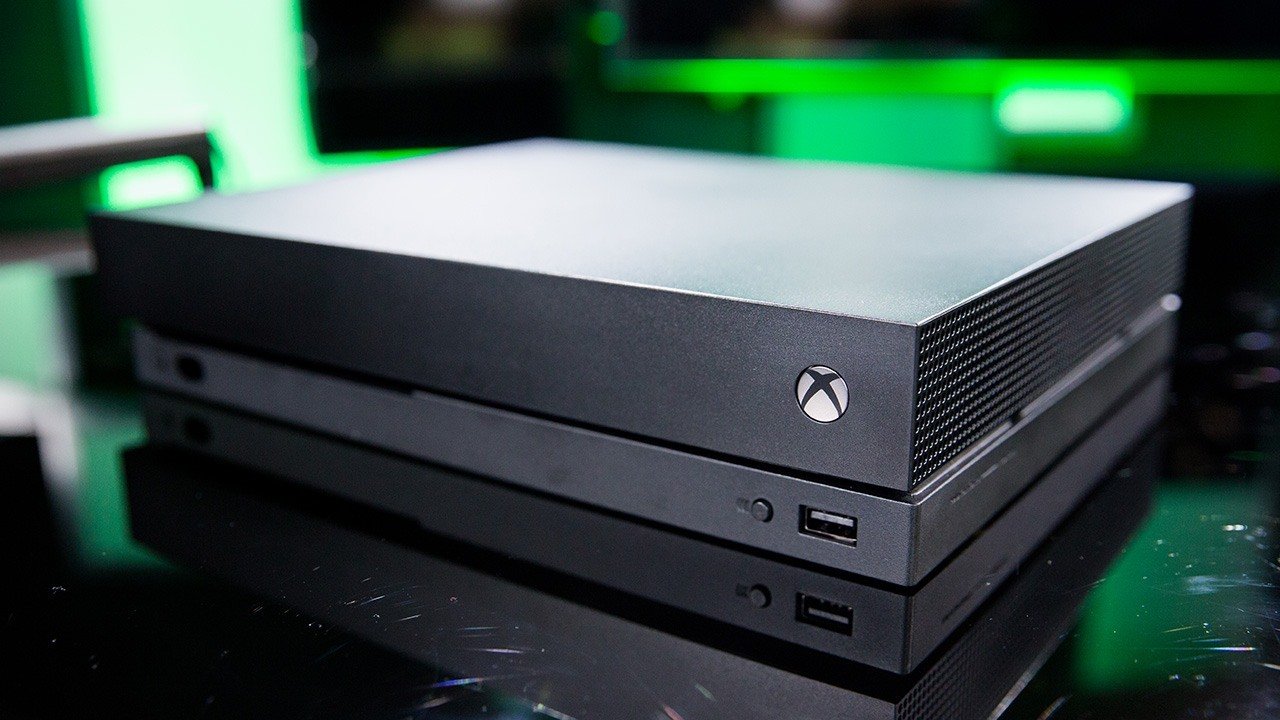
A Company Under Intense Scrutiny
What makes this situation more impactful is the timing. If Wright’s departure had happened in isolation, it likely would not have generated much attention. However, combined with multiple leadership exits and major strategic announcements, it becomes part of a larger narrative.
Right now, Xbox is under a microscope. Every promise, every statement, and every decision is being analyzed. The company is saying all the right things, but we need to focus on execution rather than messaging.
Anyone can make bold claims about the future. What matters is whether those promises are actually delivered.
Final Thoughts
We are looking at a combination of factors rather than a single cause. Leadership restructuring, strategic shifts like Project Helix, and internal dynamics all seem to be contributing to the current situation.
From our perspective, this is less about one individual leaving and more about what it represents—a company in transition, trying to redefine its identity and future direction.
You can interpret these changes in multiple ways, but one thing is clear: Xbox is entering a new phase, and the real test will be how these changes translate into tangible results.
Also, check our other hardware articles:
- AMD Ryzen 9 9950X3D Review: Setting The Standard For 2025 Gaming CPU
- Amazon Luna 2025 Review: Is Prime Gaming's Cloud Service Your Go-To For Casual Fun?
- AMD RX 9070 XT Review: AMD's RDNA 4 Champion for 1440p Gaming
- GeForce Now Ultimate: Ditching Your Gaming PC For Cloud RTX 4080 Power?
- NVIDIA GeForce RTX 5080 Review (2025): Still A 4K Gaming Powerhouse?
- Intel Core Ultra 9 285K Review And Performance Breakdown (2025)
- AMD Ryzen 7 9800X3D Review: 3D V-Cache Goes God Mode with Stunning Gaming Performance
- Intel Core Ultra 9 285K vs AMD Ryzen 7 9800X3D: In-Depth Gaming Performance and Benchmark Comparison
- NVIDIA GeForce RTX 5080 Super Performance In Cyberpunk 2077: Path Tracing & DLSS 4.0 Tested
- AMD Radeon RX 9070 XT In Cyberpunk 2077: Ray Tracing & FSR 4.0 Tested
- Intel Arc B580 Review: The $250 GPU Revolutionizing 1440p Gaming
- Intel Arc B570 Vs. B580: Value, Specs, And Real-World Gaming Performance
- RTX 5090 Laptop Vs. M4 Max MacBook Pro: Ultimate Raw Performance Vs. Battery Endurance
- Intel Arc b580 Vs. RTX 4060: Game Performance And Value Analysis
- RTX5090 Hell Is Us Demo 4K Ultra Benchmark: DLSS Vs. Native Performance Guide
- NVIDIA RTX 5070 Review: Mid-Range Muscle or Marketing Hype?
- Nintendo Switch 2 Review: Handheld Performance, Features & Value Breakdown
- RTX 5070 Ti Review: Performance, Thermals & Power Efficiency Tested
- Samsung Odyssey OLED G81SF Review 2025: Ultimate 32-Inch QD-OLED Gaming Monitor
- AMD RX 9070 Performance Review: Thermals, Clocks, and Real-World FPS
- AMD Ryzen 5 7600 Review: Best Budget Gaming CPU of 2025?
- AMD Radeon RX 7800 XT Review: RDNA 3 Power For Midrange Gaming
- Asus ROG RTX 5090 Astral OC Vs. Founders Edition: The 4K Gaming Benchmark
Senior Editor, NoobFeed
Gaming Hardware Updates
No Data.