
Xbox Project Helix May Turn the Next Xbox Into a Powerful PC Gaming Platform
Project Helix could unify Xbox and PC gaming by leveraging virtualization to maintain console-style performance and backward compatibility.
Hardware by Tanvir Kabbo on Mar 14, 2026
There has been a lot of talk about the future of Xbox hardware, especially since the rumors about the Project Helix device came out. One of the most important problems is whether the device could run both an Xbox operating system and regular Windows at the same time.
While that concept offers flexibility, it also raises concerns about user friction, developer support, and the broader strategy of unifying Xbox and PC ecosystems.
.jpg)
The Question Around Dual Booting
First of all, let’s crack on with a question from “don’t be a Richard,” advice that can be fully endorsed. The question focuses on the recent direct where the team discussed the potential that Project Helix could be a device with dual booting.
The concern raised is whether such a setup would create too much friction for end users and go against the direction of Microsoft’s recent handheld approach, which seems to aim at bringing all games, including third-party storefronts, into a single consistent UI.
Xbox already makes heavy use of virtualization for its gaming platforms. That applies to both Xbox One and the Series generation, and it is also part of what allowed backward compatibility with Xbox 360 software. Instead of building a dual-booting device, the suggestion is that Helix could virtualize the current Xbox OS.
In that case, consumers wouldn't be able to directly access the Xbox OS, which would be hidden from them. Microsoft would be able to keep tight control over Xbox games without making consumers switch between operating systems.
Presumably, if Microsoft dictates the chips that Helix systems can use, it could also control all driver and firmware interactions through that virtualized layer and low-level hardware calls. At the same time, traditional Windows games would still rely on drivers delivered by Nvidia, AMD, or Intel.
From that perspective, a dual-booting approach might feel like a misstep if the company could instead unify the experience using existing virtualization technologies and deliver many of the benefits associated with traditional consoles.
There is also the matter of software security. Even though the Windows Store has often been criticized, Microsoft’s security framework around software delivered through it has historically shown the ability to prevent extensive end-user tinkering. For better or worse, similar protections could theoretically be applied to Xbox hypervisors and games.
The Case for a Unified Xbox and Windows Experience
We originally suggested that a possible route forward for Microsoft could involve a dual-booting device where one environment runs Xbox OS and the other runs traditional Windows. However, the argument raised makes sense: dual booting is not exactly a friction-free experience. Ideally, Xbox and Windows should be unified as much as possible.
The real question becomes how much unification is actually feasible.
One perspective argues that a great deal is possible if most of the Xbox-specific software infrastructure is simplified. The current level of virtualization could remain for backward compatibility purposes and be surfaced through a recognizable interface, similar to what has been done in the past. But the forward path for Xbox software could shift toward developing PC games with only a small amount of additional work required.
Why Future Xbox Games Could Essentially Be PC Games
There are practical reasons to believe the future Xbox platform may lean heavily into PC-style development. The expected sales volume of a device like Helix might not be particularly large. Developers already sometimes dedicate limited time to optimizing Xbox versions of games compared to other platforms.
We have seen this firsthand when performing side-by-side comparisons between Xbox Series X or Series S versions of games and their PlayStation 5 counterparts. Occasionally there are unusual visual issues or unexpected performance problems on Xbox versions that do not appear on PlayStation versions.
Sometimes those issues are resolved in patches later, but the pattern shows that developers do not always devote equal resources to every platform.
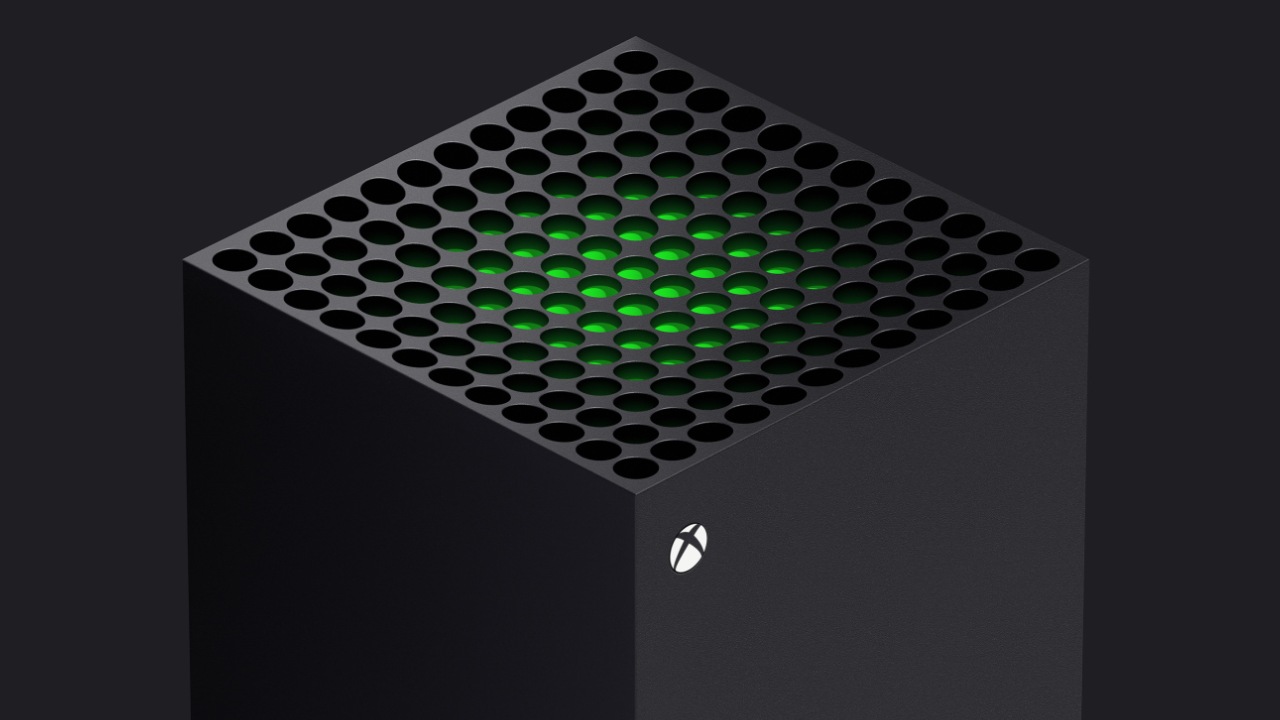
If Helix ends up being a more expensive device purchased by fewer players, publishers may not have strong incentives to support it indefinitely with dedicated development pipelines. Instead, it might function best as a highly capable PC gaming device.
From that viewpoint, the strategy would be to merge the PC development environment with Xbox development. Developers could essentially ship PC versions of their games that also function as Xbox versions.
Those games might be distributed through a modern equivalent of UWP or similar frameworks running on the Xbox OS through Microsoft’s store. At the same time, players could potentially launch traditional Windows executables through storefronts such as Steam, Epic Games Store, or GOG.
Driver updates and firmware updates could happen invisibly in the background. Alternatively, they could be exposed to users who want more control, similar to how updates are handled in SteamOS.
Concerns About Running Pure Windows
However, there are concerns about relying too heavily on a Windows-style environment. If Helix effectively becomes Windows with an Xbox edition layered on top, potential problems could arise.
For example, what happens if malware is installed on the system? What happens if resource-heavy software such as Adobe Premiere is accidentally left running in the background and consumes system resources while the Xbox environment launches?
Scenarios like that could create a suboptimal experience compared to the consistency expected from traditional consoles. A console typically offers a controlled environment designed to avoid exactly those kinds of issues. If Helix moves too far toward an open PC platform, safeguards will be required to ensure that gaming performance remains stable.
The Possibility of Separate Interfaces
Another key question is how legacy Xbox software will be presented to the user. One possibility is a central interface that allows users to navigate between Xbox Store games, Windows Store titles, and legacy Xbox content. Another possibility is a completely separate partition with a distinct interface for the legacy Xbox environment.
There is a strong sense that Helix games themselves will essentially be PC games. When players launch games from platforms like Epic Games Store or Steam, they might be dropped directly into a full Windows environment. Meanwhile, a dedicated Xbox partition could allow users to enter an Xbox Series-style mode where they can access their library of existing console games within a familiar interface.
Helix as a PC-First Platform
If that scenario plays out, the system would effectively be a PC box that still retains compatibility with prior Xbox systems. The focus would not necessarily be on continuing traditional Xbox software development indefinitely.
Instead, the device could emphasize PC-style gaming moving forward while preserving legacy support. Over time, the amount of older Xbox Series software actively used on the platform could decline. By the early 2030s, it is possible that most activity on the device would revolve around PC titles rather than legacy Xbox games.
Security and Ecosystem Integrity
Even with a more open design, protections will likely be required to maintain the integrity of the Xbox ecosystem. Multiplayer services, anti-cheat systems, and platform security all rely on controlled environments.
If players are given access to a fully open system, there is always the risk that bad actors could exploit it. Safeguards would need to exist to ensure that cheating, tampering, and other malicious activities do not disrupt the broader Xbox network.
When players launch games from external storefronts like Steam or Epic Games Store, the responsibility for managing those environments could shift more toward the user. However, the core Xbox ecosystem would still need robust protections.
Developer Interest and DirectX Momentum
Much of the curiosity around Helix stems from upcoming developer talks. A presentation by Jason Ronald at the Game Developers Conference is expected to provide insight into the future direction of Xbox hardware and software.
There are also several technical sessions drawing attention. These include discussions about advanced shader delivery on Windows presented by Microsoft’s Xbox team alongside developers from PC port studios. Other talks focus on the evolution of DirectX in the machine learning era and the DirectX State of the Union for 2026.
Another topic of interest is the continued development of DirectStorage and related technologies. Future improvements in asset streaming, shader management, and ray tracing could play a major role in shaping the performance capabilities of next-generation hardware.
The increased activity around DirectX12 development is notable as well. For several years, progress seemed relatively quiet. Recently, however, there has been a noticeable resurgence in updates and new features.
Waiting for the Full Picture
The biggest question that still needs to be answered is how Microsoft aims to bring the Xbox and PC ecosystems together without losing the stability that console gamers demand. Developers probably want to know what's going on, since a more uniform platform might make their work much easier.
It is still unclear if Helix will be a dual-boot system, a virtualized hybrid platform, or just a console-style PC that works with older games. It's apparent that Xbox and PC gaming are merging together more quickly, and the details that will come out in developer talks will be very important in defining that future.
Also, check our other hardware articles:
- AMD Ryzen 9 9950X3D Review: Setting The Standard For 2025 Gaming CPU
- Amazon Luna 2025 Review: Is Prime Gaming's Cloud Service Your Go-To For Casual Fun?
- AMD RX 9070 XT Review: AMD's RDNA 4 Champion for 1440p Gaming
- GeForce Now Ultimate: Ditching Your Gaming PC For Cloud RTX 4080 Power?
- NVIDIA GeForce RTX 5080 Review (2025): Still A 4K Gaming Powerhouse?
- Intel Core Ultra 9 285K Review And Performance Breakdown (2025)
- AMD Ryzen 7 9800X3D Review: 3D V-Cache Goes God Mode with Stunning Gaming Performance
- Intel Core Ultra 9 285K vs AMD Ryzen 7 9800X3D: In-Depth Gaming Performance and Benchmark Comparison
- NVIDIA GeForce RTX 5080 Super Performance In Cyberpunk 2077: Path Tracing & DLSS 4.0 Tested
- AMD Radeon RX 9070 XT In Cyberpunk 2077: Ray Tracing & FSR 4.0 Tested
- Intel Arc B580 Review: The $250 GPU Revolutionizing 1440p Gaming
- Intel Arc B570 Vs. B580: Value, Specs, And Real-World Gaming Performance
- RTX 5090 Laptop Vs. M4 Max MacBook Pro: Ultimate Raw Performance Vs. Battery Endurance
- Intel Arc b580 Vs. RTX 4060: Game Performance And Value Analysis
- RTX5090 Hell Is Us Demo 4K Ultra Benchmark: DLSS Vs. Native Performance Guide
- NVIDIA RTX 5070 Review: Mid-Range Muscle or Marketing Hype?
- Nintendo Switch 2 Review: Handheld Performance, Features & Value Breakdown
- RTX 5070 Ti Review: Performance, Thermals & Power Efficiency Tested
- Samsung Odyssey OLED G81SF Review 2025: Ultimate 32-Inch QD-OLED Gaming Monitor
- AMD RX 9070 Performance Review: Thermals, Clocks, and Real-World FPS
- AMD Ryzen 5 7600 Review: Best Budget Gaming CPU of 2025?
- AMD Radeon RX 7800 XT Review: RDNA 3 Power For Midrange Gaming
- Asus ROG RTX 5090 Astral OC Vs. Founders Edition: The 4K Gaming Benchmark
Senior Editor, NoobFeed
Gaming Hardware Updates
No Data.