
Xbox Project Helix Strategy Leaks Reveal $200 Series S and $800 Next Gen Console Plan
Xbox Project Helix could combine premium hardware performance with affordable entry-level gaming through a dual-console strategy.
Hardware by Tanvir Kabbo on May 07, 2026
Xbox is rumored to be changing its next-generation plans as it nears the launch of Project Helix, potentially drastically altering how it markets its console hardware across different gaming platforms and performance levels.
Xbox’s Dual Hardware Strategy for Next Generation
Xbox is desperate to change its strategy for the next generation ahead of the Project Helix reveal. To push the choice and affordable hardware, Asha Sharma is targeting a combination that, according to sources, could be one of the boldest yet. The emphasis here is on getting both an affordable console and a super-powerful console into the same generation.
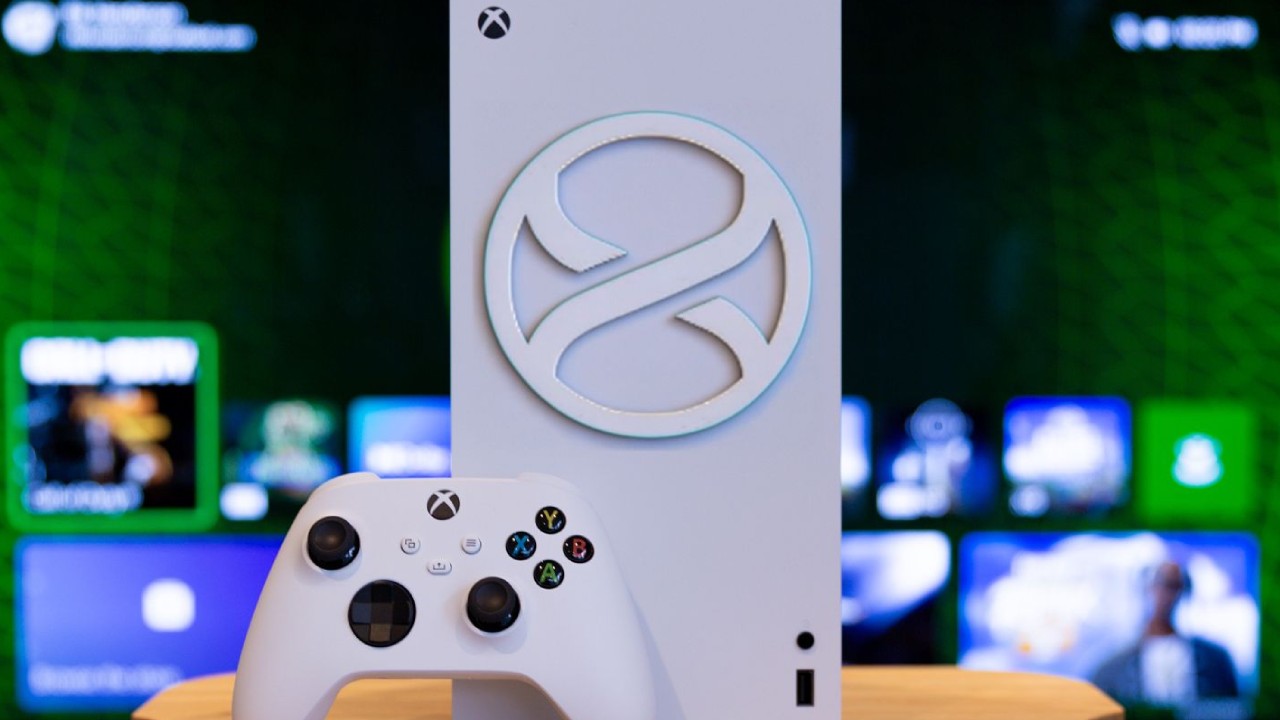
Director Asha Sharma is working with Xbox's hardware chief, Jason Ronald, to move Project Helix forward in a more powerful, flexible direction. Right now, according to insiders, Xbox is planning to move forward with an affordable or a powerful option into the next generation.
The idea is to kill the Xbox Series X ($600+ current generation console) in favor of the new Xbox Project Helix console, and use the current Xbox Series as their flagship console.
Pricing Strategy and Market Positioning
The most unexpected aspect of this plan is how Xbox could price its offerings. The Xbox Series S will be another generation by 2027, and Microsoft may choose to drop the price to a standard $200. Meanwhile, Asha Sharma is keen on keeping the next-gen console available even at the premium end.
Project Helix is expected to settle for around $800, although the rumors indicate that it could have secured between $1000 and $1200. This would put it just below competing premium consoles while still offering high-end performance. The direct competition from PlayStation and even PC-like solutions like Steam Machine concepts makes Project Helix look like it's targeting good value at that price point.
The Role of Xbox Series S in the Future
One of the big topics has been the Xbox Series S. It's also a cheap console with 10GB of RAM, of which approximately 8GB is dedicated to games via GDDR6 memory, making it considered the bare minimum for contemporary gaming hardware. This has raised concerns about additional optimization work required by the developers.
But there's the other side. Some people may think that the generation is being held up by Series S, but I don't think so. Low-power spec machines are still well supported throughout the industry. Modern AAA games have been shown to run across a range of performance levels on devices such as handheld gaming systems and hybrid consoles.
With the current trend, many graphics-intensive games are already being ported to work across a variety of hardware setups. This means that developers are focusing on scalability and optimization, not just on the highest-end capabilities.
Optimization Over Raw Power
The current industry state is efficiency. As hardware becomes more expensive and what many have called a RAM and component pricing crisis has come to the fore, developers are creating games that will run well on a variety of devices rather than only on the extreme.
Games now have to be visually appealing, perform well, and be accessible. The legacy of good design and immersion extends beyond the latest and greatest technology. This helps build the notion that a lower-spec machine can still be capable of high-end gaming when set up right.

Cloud Integration as a Potential Solution
Cloud integration is a solution that is the subject of much discussion as we set the path forward for the extended life of the Xbox Series S into the next generation. The idea is simple yet effective. The $200 console would be capable of playing legacy titles directly and use cloud streaming for more heavy-duty games.
Players might launch a game on Series S and stream it directly from powerful cloud servers. This would enable players to obtain high-resolution, high-performance play without having to purchase costly local hardware.
Alternatively, developers might be able to deploy some titles straight to cloud execution if they are not meeting expectations on Series S. This would keep the games intact, with the same experience and scope, without losing anything in the visuals.
Expanding Accessibility Across Player Segments
If Xbox keeps going down that route, it's a straightforward split between low- and high-end experiences. The $200 console would be better suited to casual gamers and those looking to upgrade from an earlier model to meet the requirements of high-resolution, high-FPS gaming. In contrast, the $800 Project Helix would attract enthusiasts and fans who want to play at native resolution and frame rate.
It also enables players to enjoy games in their preferred way, without being restricted to a specific level of hardware. The low price and high performance can extend Xbox's appeal to various market segments.
Looking Ahead to Project Helix
It remains unclear if Xbox will stick with the Series S or launch a new, lower-cost next-generation console. The mid-range console ($400-$500) is also a potential direction.
Meanwhile, other enhancements, such as the first-party handheld console and enhanced cloud integration, show that Xbox is looking at several pathways for growth in its ecosystem. Project Helix is at the heart of this approach, and it's not just a technological breakthrough but a change in how future console generations might be classified.
This concept of an affordable price, cloud computing, and premium native hardware could change the way gamers interact with gaming platforms in the near future.
Senior Editor, NoobFeed
Gaming Hardware Updates
No Data.