
Zen 5 vs Raptor Lake Failure Concerns What the Real Numbers Show
Comparisons between Zen 5 and Intel Raptor Lake ignore key differences in design flaws, scale, and verified failure rates.
Hardware by Mitsuba Miyu on Feb 17, 2026
When a new high-profile product launches, concerns about CPU failure frequency tend to spread quickly through enthusiast communities. Recently, problems with Zen 5 processors have been compared to problems with Intel's Raptor Lake.
This has made it harder to tell if there is a real design flaw or if people are just spreading false stories. Conversations in the industry, feedback from retailers, and technical research all point to the need for a more balanced view before coming to any conclusions.
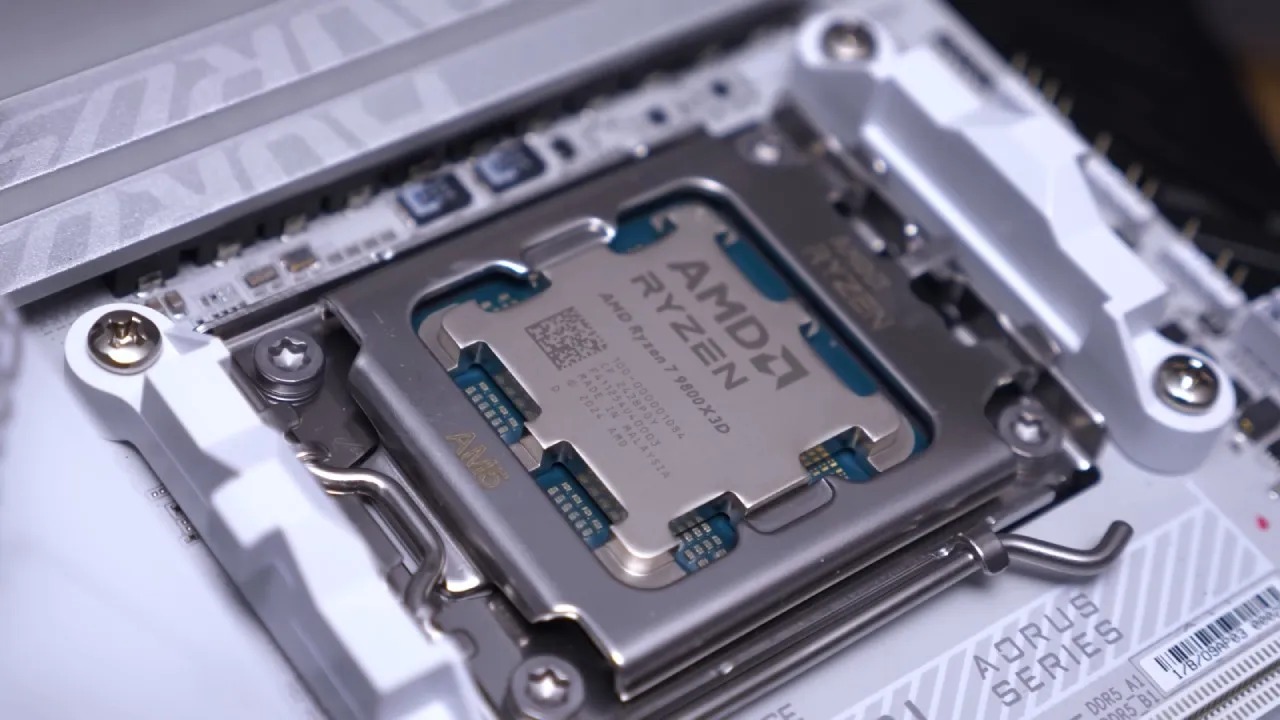
Zen 5 Failure Rates in Context
Some claims say that Zen 5 processors are actually cooking themselves, which makes some people wonder whether this is a sign of a larger design problem. AMD has mostly said that a few isolated events were caused by motherboard issues. Still, reports have come in from users of several different motherboard brands. Of course, that makes people look twice.
The bigger picture, on the other hand, looks very different when we look at what industry experts and store owners have to say. What we can see so far suggests that Zen 5 failure rates are about what we would expect. Reports say that failure rates are less than 1%. You need to know what that means on a large scale.
At the moment, AMD controls about 90% of the market for do-it-yourself CPUs. That means that millions and millions of units were sold. Even a failure rate of 0.1% on 5 million units would mean 5,000 chips would fail. Someone will report it at that level. It will be written about by someone. There will be a movie about it. Visibility does not always mean that something is wrong.
The Raptor Lake Comparison
Let's be clear: it's not fair to compare Zen 5 to Intel's Raptor Lake problems. Most people agreed that the problems at Raptor Lake were caused by a planning mistake. The effect was big enough that some OEMs switched more of their orders to AMD as a result.
At this point, there is no evidence that Zen 5 is undergoing anything even remotely similar. We often look at developer feedback, conversations with distributors, and retailer information. There are no reports of mass breakdowns.
There is no talk of widespread instability across shipments. The numbers just don't back up the story of a widespread problem. When you compare Zen 5 and Raptor Lake, you're not using enough information to support that comparison.
Scale, Statistics, and Perception
Failure rates should always be considered alongside the number of shipments. When a company significantly increases its market share, the number of failures will naturally increase, even if the percentage stays the same.
Let's look at that in a bigger picture. If AMD sends 5 million CPUs and keeps the failure rate below 1%, the number of failed units may still look high. But based on statistics, that's still within the normal range for the business.
If you look at a few posts online, you might think there is a trend. We need to distinguish between random grouping and statistically significant trends. Large fixed bases make things easier to see.
The Role of Reddit and Hysteria Cycles
This style has been seen before. A shocking failure is shared online, like a 9800X3D that appears to have been burned. The failure quickly spreads because it looks so great. Few people would pay attention if someone posted that their CPU stopped working with no other information.
Once a story gets a lot of attention, others start looking for similar problems. The argument ends in panic. These loops can get stronger, particularly on Reddit. Community talks do yield useful information, and hive-mind amplification is real.
You may remember what happened with the RTX 4090 12VHPWR adapter. A lot of people started unplugging and replugging their GPUs repeatedly to check for burn marks. In some cases, the repeated treatment led to visible wear. Then, normal wear and tear was seen as proof of failure. It kept going on its own.
At the time, we kept a close eye on that situation. Some failed, according to retailers and boutique builders, but the failure rate was nowhere near 1%. Better connector tolerances would have helped NVIDIA fix the problem.
Still, it was never as widespread as some online talks made it sound. It looks like Zen 5 has the same escalation pattern.
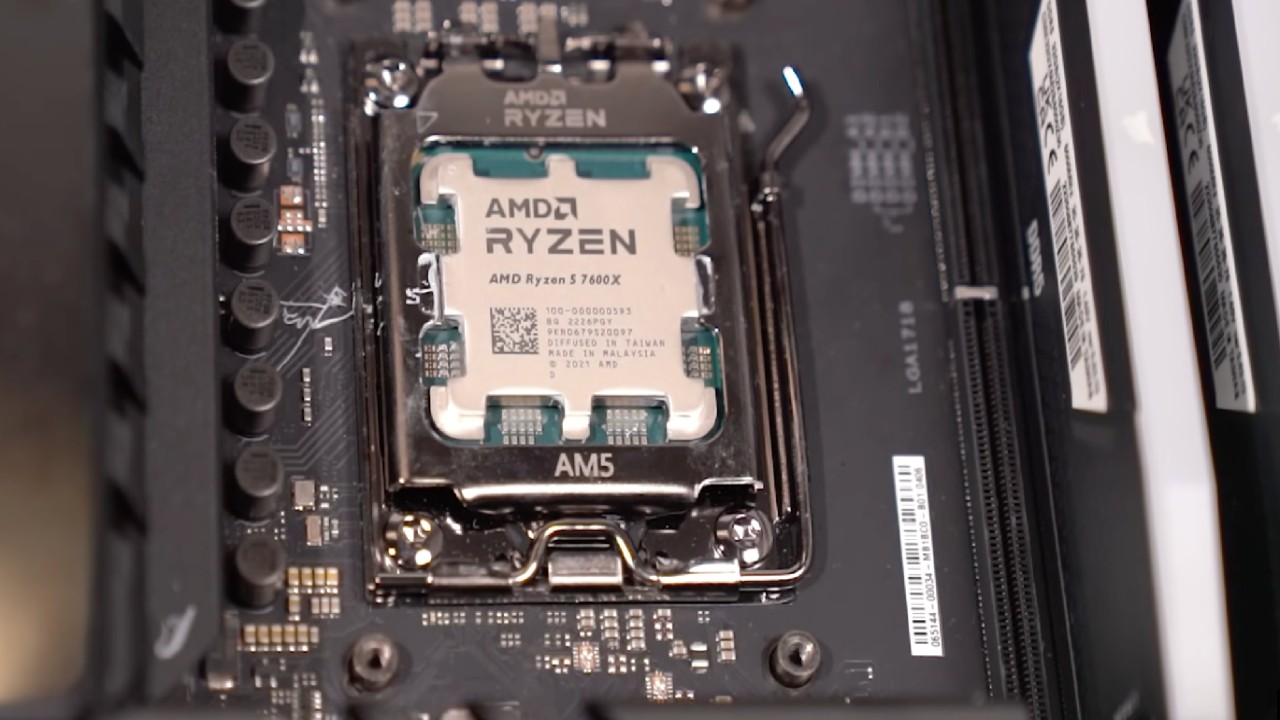
Retailer and Developer Feedback
We talk to developers, stores, and distributors all the time. In real life, these are the groups that use many tools. These people would be the first to know if there was a problem with Zen 5 as a whole.
That being said, no one has yet reported any unusual failure rates. There is no talk of a rise in profits. There are no signs of large-scale unrest. The volume channels mustn't sound a warning.
This doesn't mean that different experiences aren't real. Your CPU indeed failed. Hardware does break down sometimes. Defects can occur even with the best parts. But a single mistake doesn't always mean the whole system is about to fall apart.
Understanding Normal Failure Rates
All gear is likely to break at some point. A small number of units will fail even with strict quality control and approval due to differences in manufacturing, handling issues, or extreme environmental conditions.
When the failure rate stays below 1%, especially when millions of units are considered, it is usually considered within normal limits for the business. Just because there are failures doesn't mean that the design is bad.
We need to distinguish between statistical noise and flaws in the plan. Based on what we know now, Zen 5 definitely falls into the first group.
Final Thoughts
Concerns about Zen 5's failure rates seem to stem more from public opinion and online sharing than from actual data. Industry feedback doesn't indicate widespread problems or flaws in the system's design. The link to Raptor Lake doesn't hold up when looked at more closely.
We should always make sure the gear works well, and you deserve to know about any problems right away. But at the same time, conclusions should be based on real facts, not just stories that spread like wildfire. From what we know so far, Zen 5's failure rates are still about what you'd expect for a current CPU.
Also, check our other AMD articles below:
- AMD Ryzen 9 9950X3D Review: Setting The Standard For 2025 Gaming CPU
- AMD Ryzen 7 9800X3D Review: 3D V-Cache Goes God Mode with Stunning Gaming Performance
- AMD RX 9070 Performance Review: Thermals, Clocks, and Real-World FPS
- AMD Ryzen 5 7600 Review: Best Budget Gaming CPU of 2025?
- AMD Radeon RX 7800 XT Review: RDNA 3 Power For Midrange Gaming
- Sapphire NITRO+ AMD Radeon RX 9070 XT Review: The Ultimate 4K Gaming GPU
- AMD Ryzen 7 7800X3D: Delivers Gaming Performance Far Beyond Expectations
- AMD Ryzen 9 7900X Review: Powering the AM5 Era with DDR5 & PCIe 5.0
Editor, NoobFeed
Gaming Hardware Updates
No Data.