
Zen 7 CPU Leak: Grimlock Ridge 32-Core and Halo Mega APU Details Revealed
Grimlock Ridge pushes desktop computing forward with 32 cores and nearly half a gigabyte of L3 cache.
Hardware by Masaru Hoshino on Mar 01, 2026
A few months ago, this channel exclusively leaked the performance, release time frame, and specs of not just Grimlock Ridge, a 32-core monster expected on AM5 by the end of 2028, but also the 264-core Steamboat configuration for Epic Server, the 20-core consumer APU, and the 36-core Halo Mega APU configuration. While dozens of supporting images were released at the time to back up these leaks, full pictures of the CPUs themselves were not shared until now.
Like previous picture leaks, these are renders. Usually, we have to render products we leak rather than show raw pictures. This protects sources and often comes from compiling notes from multiple sources, working with a renderer to mock it up, and verifying dimensions against official documents.
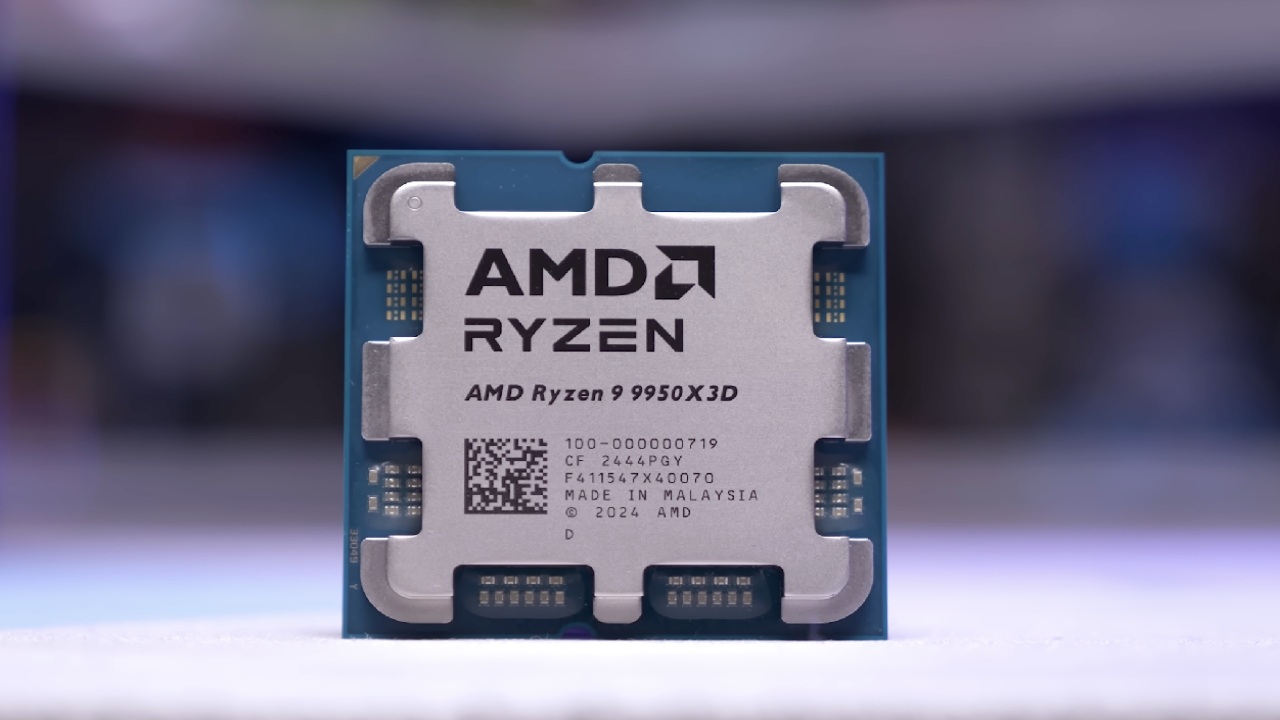
Once completed, the render is sent back to the source for validation. This process has been used previously for products such as the MI300, RTX 4070, Titan ADO, and Intel Alchemist Engineering samples. Many of these renders turned out to be highly accurate compared to the real products.
For Zen 7, there aren’t actual pictures yet outside of schematics, mock-ups, and blueprints. By combining these references, We were able to show what Zen 7 will look like years from now. The timing of this reveal was chosen strategically during a slow news week. Past Zen 6 leaks from the same sources have proven accurate, giving you reason to trust these Zen 7 renders.
Grimlock Ridge: 32-Core Model
Starting with Grimlock Ridge, the 32-core Model, we have precise die sizes for both the 16-core chiplets and the IO die. Zen 7 will maximize performance in the AM5 socket, packing a massive amount of high-density silicon.
If you purchased a Zen 4 flagship 4 years ago, you’ll be able to upgrade to a 32-core CPU built on TSMC 14A technology, possibly seeing double or more single-thread performance and well over double multi-threading performance. Nearly half a gigabyte of L3 cache will make a noticeable difference for gaming, multitasking, and general workloads.
The 32-core VCH models will be expensive to produce, though likely cheaper than some Intel designs behind the scenes. AMD plans to address budget concerns with a smaller chiplet, code-named Silver King. These 8-core chiplets are nearly half the die size of the 16-core Silver Ton chiplets, removing some expensive features and using a narrower bandwidth connection. This allows for an efficient $300 8-core AM5 desktop chip.
Performance Binning and Efficiency
AMD will likely bin the 16-core Silver Ton chiplets for high clock speeds, possibly above 7GHz. The 8-core Silver King chiplets will be binned for efficiency at lower voltages and lower clock speeds, ideal for laptops.
The 56mm² 8-core chiplets on the advanced TSMC A14 node are expected to have very high yields. Leaky yields can be used for desktop models at lower costs, while the most efficient chiplets will be used in laptops for optimal performance per watt.
Grimlock Point and Halo Variants
The Grimlock Point IO die is approximated based on AMD documents and mock-up pictures. It is expected to have 12 cores combining Zen 7 and Zen 7C cores, with possibly two or four low-power cores. Users can add eight cores on top of this for a premium high-performance laptop variant, saving costs by avoiding the need for a dedicated graphics card.
The Grimlock Halo variant is also based on an approximated IO die, expected to feature 20 cores—eight Zen 7 classic cores and 12 Zen 7C cores. Low-power cores may also be included, though the exact number is not specified. For maximum performance, users can add two chiplets to reach 36 cores total. Zen 7 Halo variants may look more like Zen 5 Halo items than Zen 6 products, which makes sense as a design development.
.jpg)
Desktop Configurations
AMD will probably remain with two 16-core CCDs with Vcash for high-end desktop versions. Lower configurations may turn off cores or use smaller 8-core Silver King chiplets to save money.
It's unlikely that desktops will have two 8-core setups, but laptops may have them to save energy. This method guarantees high-end performance without wasting silicon.
Final Thoughts
The new Zen 7 CPUs give both desktop and laptop consumers speed and efficiency options that have never been seen before. AMD's approach strikes a mix between cost, performance, and energy economy, from the 32-core Grimlock Ridge to the adaptable Halo and Point setups.
The combination of high-performance cores, low-power cores, and meticulous binning promises a big improvement over prior generations. This will let gamers and professionals get the most out of both single-thread and multi-thread tasks.
Also, check our other hardware articles:
- AMD Ryzen 9 9950X3D Review: Setting The Standard For 2025 Gaming CPU
- Amazon Luna 2025 Review: Is Prime Gaming's Cloud Service Your Go-To For Casual Fun?
- AMD RX 9070 XT Review: AMD's RDNA 4 Champion for 1440p Gaming
- GeForce Now Ultimate: Ditching Your Gaming PC For Cloud RTX 4080 Power?
- NVIDIA GeForce RTX 5080 Review (2025): Still A 4K Gaming Powerhouse?
- Intel Core Ultra 9 285K Review And Performance Breakdown (2025)
- AMD Ryzen 7 9800X3D Review: 3D V-Cache Goes God Mode with Stunning Gaming Performance
- Intel Core Ultra 9 285K vs AMD Ryzen 7 9800X3D: In-Depth Gaming Performance and Benchmark Comparison
- NVIDIA GeForce RTX 5080 Super Performance In Cyberpunk 2077: Path Tracing & DLSS 4.0 Tested
- AMD Radeon RX 9070 XT In Cyberpunk 2077: Ray Tracing & FSR 4.0 Tested
- Intel Arc B580 Review: The $250 GPU Revolutionizing 1440p Gaming
- Intel Arc B570 Vs. B580: Value, Specs, And Real-World Gaming Performance
- RTX 5090 Laptop Vs. M4 Max MacBook Pro: Ultimate Raw Performance Vs. Battery Endurance
- Intel Arc b580 Vs. RTX 4060: Game Performance And Value Analysis
- RTX5090 Hell Is Us Demo 4K Ultra Benchmark: DLSS Vs. Native Performance Guide
- NVIDIA RTX 5070 Review: Mid-Range Muscle or Marketing Hype?
- Nintendo Switch 2 Review: Handheld Performance, Features & Value Breakdown
- RTX 5070 Ti Review: Performance, Thermals & Power Efficiency Tested
- Samsung Odyssey OLED G81SF Review 2025: Ultimate 32-Inch QD-OLED Gaming Monitor
- AMD RX 9070 Performance Review: Thermals, Clocks, and Real-World FPS
- AMD Ryzen 5 7600 Review: Best Budget Gaming CPU of 2025?
- AMD Radeon RX 7800 XT Review: RDNA 3 Power For Midrange Gaming
- Asus ROG RTX 5090 Astral OC Vs. Founders Edition: The 4K Gaming Benchmark
Editor, NoobFeed
Gaming Hardware Updates
No Data.