
EU Battery Laws Force Nintendo to Stop Original Switch Sales
Strict new environmental and design regulations across Europe mean the classic hybrid console will officially phase out.
News by Elme Dhee on Jul 08, 2026
The original Nintendo Switch has finally bid adieu to Europe after a legendary decade-long run. Due to strict new regional manufacturing rules, Nintendo is being forced to completely withdraw its iconic first-generation hybrid console from store shelves. For millions of gamers, it’s a bittersweet moment, the official conclusion of an unforgettable era for the handheld that revolutionized the way we play.
This sweeping decision affects every version of the original hardware lineup, including the standard base model, the Nintendo Switch OLED, and the handheld-only Nintendo Switch Lite. According to official operational updates, shipments to European retailers and sales on the official digital store will permanently conclude in mid February 2027.
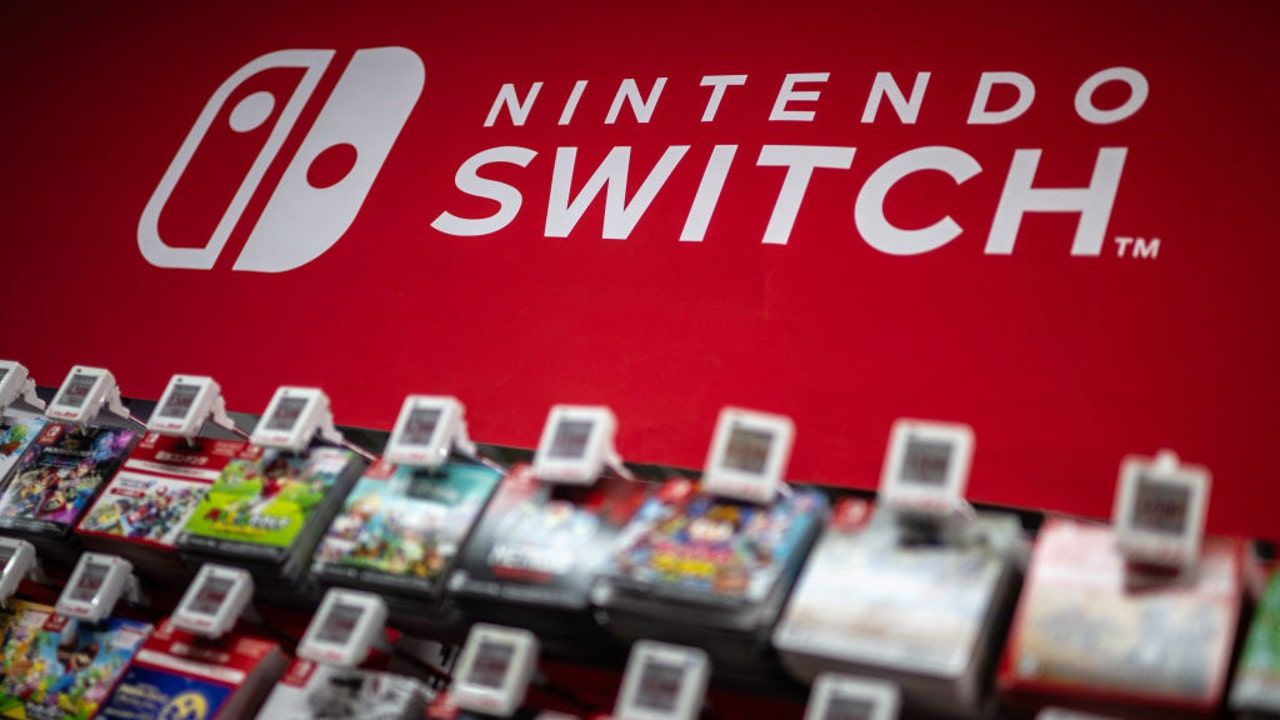
Retailers will be permitted to sell through their remaining physical inventory, meaning the consoles will likely remain available on store shelves for a limited time until stock naturally runs out. So if you’re a consumer hoping to purchase an older model, the next few months will be your last chance to get those systems directly from official channels.
New European environmental legislation requires easily replaceable batteries in portable devices.
The underlying cause for this massive logistical shift stems directly from a newly enacted European Union law targeting consumer electronics. The legislation mandates that all handheld devices must feature battery compartments that allow everyday consumers to easily remove and replace the battery cells themselves without specialized tools.
While the newly introduced next-generation successor console is slated to receive a rolling factory redesign to comply with these rules later this year, the original model line will not receive any adjustments. Modifying the internal architecture of a ten-year-old system is simply not a viable business decision, given the platform's current lifecycle.
Existing system owners within the region do not need to worry about losing access to their libraries or multiplayer networks anytime soon. Digital storefronts, patch downloads, and core online services will continue to function normally for the foreseeable future, ensuring the current install base remains fully supported.
Changing global assembly costs make re-engineering older hardware completely impractical.
Altering a deeply established assembly-line process for a legacy device incurs massive costs that rarely align with long-term corporate strategy. When a piece of hardware is no longer the central focus of marketing campaigns, investing substantial capital to re-engineer its internal battery housing becomes impossible to justify.
Nintendo has elected to focus its resources entirely on its newest gaming ecosystem rather than spending money to maintain compliance for an older console architecture in a single territory. This strategic retreat naturally shifts consumer attention toward the next generation of hardware.
This decision introduces fascinating variables regarding the console line's ultimate goal of becoming the highest-selling video game system in history. The platform currently sits at an incredible 155 million units worldwide, leaving it just shy of the record-holding lifetime sales milestones established by older competing platforms.
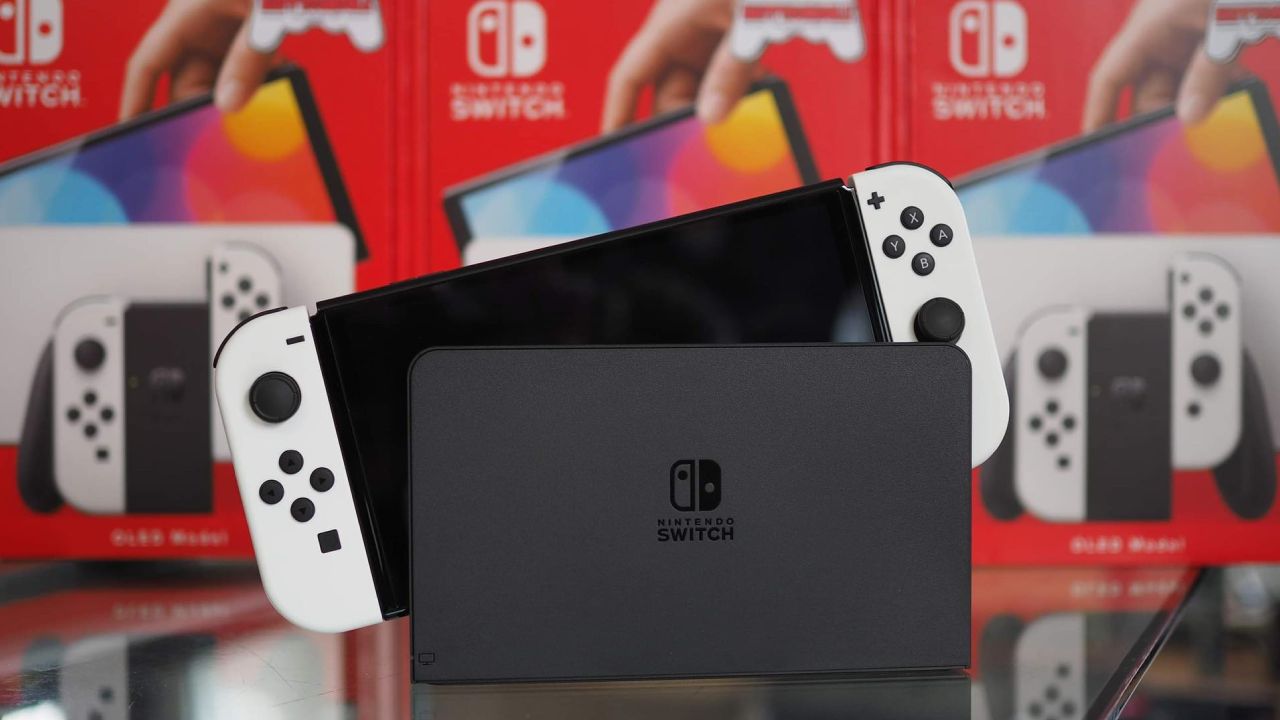
International shifts in the component market further complicate the system's twilight years.
Ongoing volatility in the global RAM and memory markets has simultaneously driven up production costs, making older console configurations less attractive to manufacture at a budget price point. These manufacturing pressures, combined with the loss of the massive European market, will undoubtedly impact the system's global sales trajectory.
Also, with the new successor platform being fully backward compatible out of the box, players are far more incentivized to jump right into the new ecosystem. If the newer device can play the exact same games with much better performance, selling an older system becomes a tough sell.
The new regulations also create a clear framework for the platform’s commercial presence in Europe, effectively cementing its legacy in the region. Going forward, production of the legacy system will be solely focused on supporting global regions that do not enforce these specific battery design rules.
Platform holders prefer localized product sunsets over complex manufacturing variations.
Historically, major tech companies would rather just kill a product line altogether in a specific region than deal with the logistical headache of making different hardware variations for different countries. That business decision is a clear sign of how changing legal landscapes dictate the lifespan of consumer products.
The design changes to newer models are purely a compliance necessity, not an advertised selling point or feature of user-replaceable batteries. The broader global market will likely continue to see standard integrated designs unless other nations adopt similar legislative frameworks.
As the industry enters this pivotal transition period, game development and software support naturally will continue to shift towards the next generation of hardware. The original hybrid system has officially entered its final twilight chapter, even with a massive global library that keeps expanding with new titles.
Editor, NoobFeed
Related News
No Data.