
PS5 Price Fears Rise with Black Friday Sales as Sony Battles Surging Component Costs
A global parts shortage threatens new console price hikes—while the PSN Black Friday sale arrives just in time to give gamers something to enjoy amid the uncertainty.
News by Nusrat Choity on Nov 29, 2025
Costs of technology are once again in the news, and this time, Sony is stuck in the middle. As the prices of memory, GPUs, and storage space rise at an alarming rate, worries about the chance of yet another PlayStation 5 price increase have grown. Artificial intelligence companies are buying a lot of PC parts like SSDs, RAM, and graphics cards, which is causing the price to rise quickly. Sources say that makers don't want to increase production because the global economy is unstable.
This means that they have to focus on big business buyers over consumer tech partners. People didn't expect these parts to have such a big impact on the gaming business as they became harder to find. Sony's case, on the other hand, looks more planned. Sources say that the company started quietly storing hardware supplies earlier this year because they thought that the cost of parts would go up.
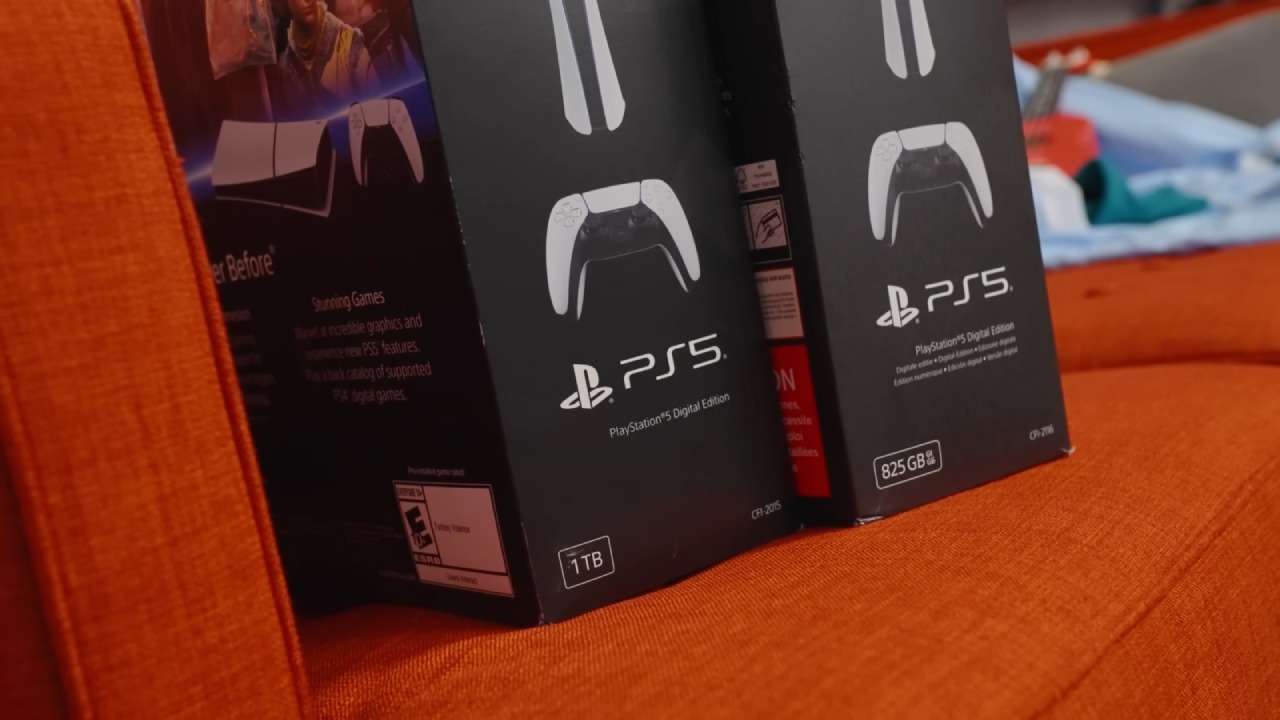
This smart move kept the prices of the PlayStation 5 and the soon-to-be-released PlayStation 5 Pro from going up right away. This means that Christmas shoppers won't have to deal with another price increase for consoles—at least for now. One of Sony's best qualities during the PS5 generation has been its ability to consistently predict changes in the market. This has helped it avoid sudden shocks while competitors have had trouble with unstable prices. The company knows that the safety net will only last for a short time, though.
The big worry is about the beginning of 2025. Sony may have to change the prices of its consoles again once it runs out of the parts it has on hand, especially memory, whose prices have gone up the most recently. This is even more concerning when you consider that the PS5's price has already gone up in other countries, and most recently by a substantial $50 in the United States.
Prices went back down temporarily because of a Black Friday sale, but keeping hardware affordable in the long run is very hard to do.
Now that the fifth year of this hardware cycle has started, Sony needs to lower prices on old systems to keep them appealing, but manufacturing costs are so high that it's almost impossible to do so. How long can the company handle all of these different demands?
What's even stranger is how little these price hikes have changed demand. Even though they cost more, people are still buying PS5s regularly. The sources say sales haven't slowed, indicating that system loyalty remains very high. Sony's ability to offer a real Black Friday discount—one that beats prices even before the price hike—shows that the company is working hard to keep customers happy.
But changes in the business as a whole are changing how people spend their money. Sony's usual way of making money is becoming harder to use, as more and more people spend money on in-game purchases rather than full-price games. In a world where battle passes and microtransactions are common, the old strategy of selling the console at a loss and making up the difference through software doesn't work as well as it used to.
The example of the 2008 recession makes things even more difficult. Back then, systems like the PlayStation 3 and Xbox 360 were made to last longer, which gave manufacturing costs time to drop on their own. But when this group started out, things were very different.
.jpg)
At the PS5's halfway point, there is a global shortage of parts, not caused by customers but by new AI industries. Now that the PlayStation 5 Pro is out and work is starting on the next generation of hardware, Sony doesn't have as many ways to stall or stretch the generation to keep costs stable. At the same time, companies like Valve are having a hard time setting fair prices for their future handheld hardware, even though it uses mid- to low-end PC parts that should be much cheaper in normal circumstances.
In the middle of all the stress, the huge PSN Black Friday sale was a nice break for PlayStation fans.
The sale comes at a great time, with big deals and new games. Gamers will have something fun to do while the industry gets ready for more economic trouble. The sale includes twelve great games that would make great choices for the weekend, especially for people who are still getting used to the holiday break.
Many people treat this part of November as a mini-vacation, and it seems like these deals were timed to give people a guilt-free chance to escape into new places and long-awaited experiences.
Sources say Sony put together the sale to appeal to a wide range of players by including both big-name hits and lesser-known favorites. As the prices of storage space and accessories go up, cheap digital games become a better option for people who want to add to their library without spending too much.
These discounted games are a good way to get people to play games between the immediate joy of the holidays and the doubt about how much consoles will cost in the months to come. Sony shifts the focus back to what gaming has always been about: fun, connection, and immersion. They do this by giving players something incredibly appealing to do over the long weekend.
The deals are also good for business in the long term. As more people talk about supply chain problems and limited parts, the PSN sale increases the value of the PlayStation environment. This keeps people interested even as problems in the industry get worse. People who buy a bunch of these games at a price are likely to keep using the platform well into the new year.

This gives Sony a safety net in case hardware costs rise faster than expected. Finding the right mix between easing financial problems and keeping customers interested is very important as the gaming industry moves into a new era shaped by AI demand, limited global supply, and shifting consumer spending habits.
Rising production costs, changing customer habits, uncertain hardware prices, and timely digital deals are just some of the things that make the PlayStation market one of the most unpredictable in recent gaming history.
The near future holds both comfort and worry, as well as excitement and stress. Is Sony going to be able to keep game prices stable until 2025, or is another price hike already on the way?
Contributor, NoobFeed
Related News
No Data.