
Steam Machine Could Launch Later in 2026 as Hardware Prices Continue to Surge
Rising memory and storage shortages continue to affect hardware production timelines, creating uncertainty around Valve’s Steam Machine release.
News by Masaru Hoshino on Mar 14, 2026
Valve is dealing with hardware shortages and changing launch dates across the board, so the future of the Steam Machine is still up in the air. Costs of memory and storage are going up, competition in the gaming hardware industry is getting tougher, and Valve's hardware ecosystem is changing, all of which have led to delays and concern about the device.
While Valve still intends to release its new hardware lineup, the exact timing and pricing continue to shift as the company adapts to ongoing market conditions.
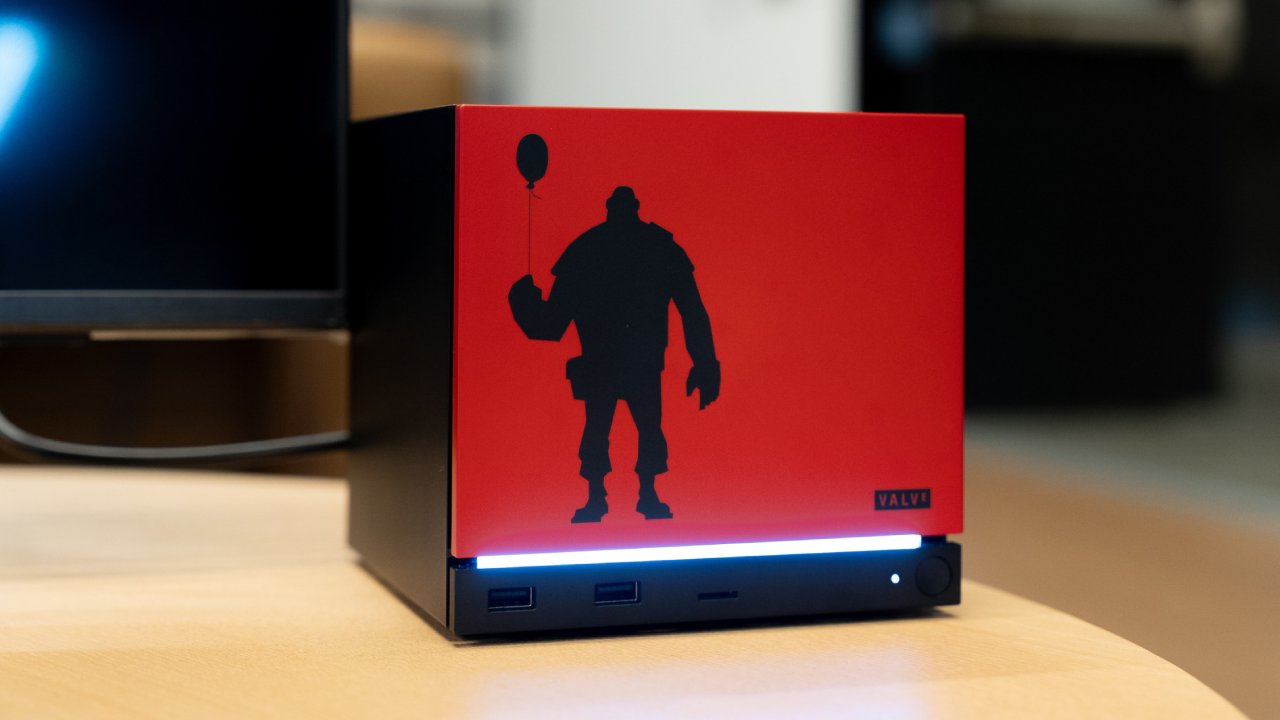
Ladies and gentlemen, the Steam Machine remains in flux. It has been a bad time for Valve, and it is hard to blame them at all. There is a lot to recap before getting into what is happening with the Steam Machine now and whether it will even come out this year.
It really began with a blog post from Valve about Steam hardware and launch timing. Valve explained that when the products were first announced in November, the plan was to share specific pricing and launch dates by this point.
However, memory and storage shortages across the industry rapidly increased. The limited availability and rising prices of these critical components meant Valve had to revisit the exact shipping schedule and pricing, particularly for the Steam Machine and Steam Frame.
Valve maintained that the goal of shipping all three products in the first half of the year had not changed.
That statement served as the main reference point for a while. As time moved forward, an update appeared on SteamDB, a popular industry tracking site. The listed release date changed to “Coming Soon.” That at least suggested movement on the horizon.
The change was noticed just recently, and it seemed like progress. However, the real update came when Valve posted its 2025 Year in Review, an annual platform summary primarily aimed at developers.
The report contained a wide range of information about Steam’s ecosystem, including monthly releases, themed sales, and organic recommendation systems that help improve discoverability on the platform.
The section that matters most in the report is the hardware discussion. Valve explained that even though the document focused on 2025, understanding its hardware efforts required going back to 2013 when the company first announced plans to bring PC gaming into the living room.
At that time, developers struggled with Linux compatibility. Valve was still learning how to build and ship physical products, and virtual reality was only a distant concept. The company could not yet deliver the library of games or the user experience it wanted, even though players clearly showed interest in playing PC games on the big screen.
Fast forward to 2025, and Valve believes many of the hardest problems have been solved.
The Proton compatibility layer has enabled thousands of games to run on Linux and SteamOS at no cost to developers. Millions of players helped refine the gamepad experience across the Steam interface, including shopping, playing, and chatting.
Lessons learned from previous hardware products also played a major role. The Steam Controller, Steam Link streaming box, Valve Index, and Steam Deck all contributed manufacturing knowledge that helped shape the new generation of hardware.
Valve describes the result as a gaming-first living room experience built around an open platform for customers, alongside a wireless virtual reality headset with its own processing power.
The most important statement appears in the hardware section of the report.
Valve says the lineup of hardware announced in 2025 will still ship this year, although memory and storage shortages have created significant challenges. More updates will be shared as plans are finalized.
That wording marks a noticeable shift from previous messaging.
Earlier statements focused on a first-half release window. Now the language simply says the products will ship sometime this year.
Before the update, there was an even more uncertain message circulating. Early wording suggested Valve hoped to ship in 2026, which implied even less confidence about the schedule. That wording was later revised to confirm the devices would ship this year instead.
The shift from early 2026 to first half of 2026 and then to sometime in 2026 illustrates how fluid the situation has become. The core problem remains the rapidly rising cost of hardware components.
RAM prices in particular have increased dramatically. Over the past 18 months, prices that once sat below $50 have surged past $200 and in some cases even $300. Certain listings that once hovered around the $100 range have climbed beyond $600.
This surge is largely driven by the demand from AI data centers. Those facilities are willing to pay premium prices for memory and storage, which places them at the front of the supply chain.
Companies building consumer devices have far less priority compared to massive data infrastructure buyers. Compared to global hardware giants, Valve sits much lower on the priority list.
Large platform holders such as Sony, Nintendo, and Microsoft likely receive stronger vendor relationships and larger component allocations. Valve, by comparison, produces hardware at a smaller scale.
The company has already made it clear that the Steam Machine will not be a highly subsidized console designed to compete directly with mainstream systems. Valve is not trying to fill the gap left by Xbox or aggressively chase console market share.
Instead, the goal is simpler. Valve wants to give its fans a way to bring the Steam PC gaming experience into the living room.
Because of that strategy, Valve may only aim to sell around 5million units rather than tens of millions. That smaller scale naturally pushes the company further down the supply chain priority list.
Looking at the current market conditions, waiting could be the smarter decision.
If the Steam Machine launches while component prices remain extremely high, Valve may be forced to charge significantly more than originally planned. That could make the device far less appealing to consumers.
In that scenario, delaying the launch until prices stabilize might actually give the product a better chance to succeed.
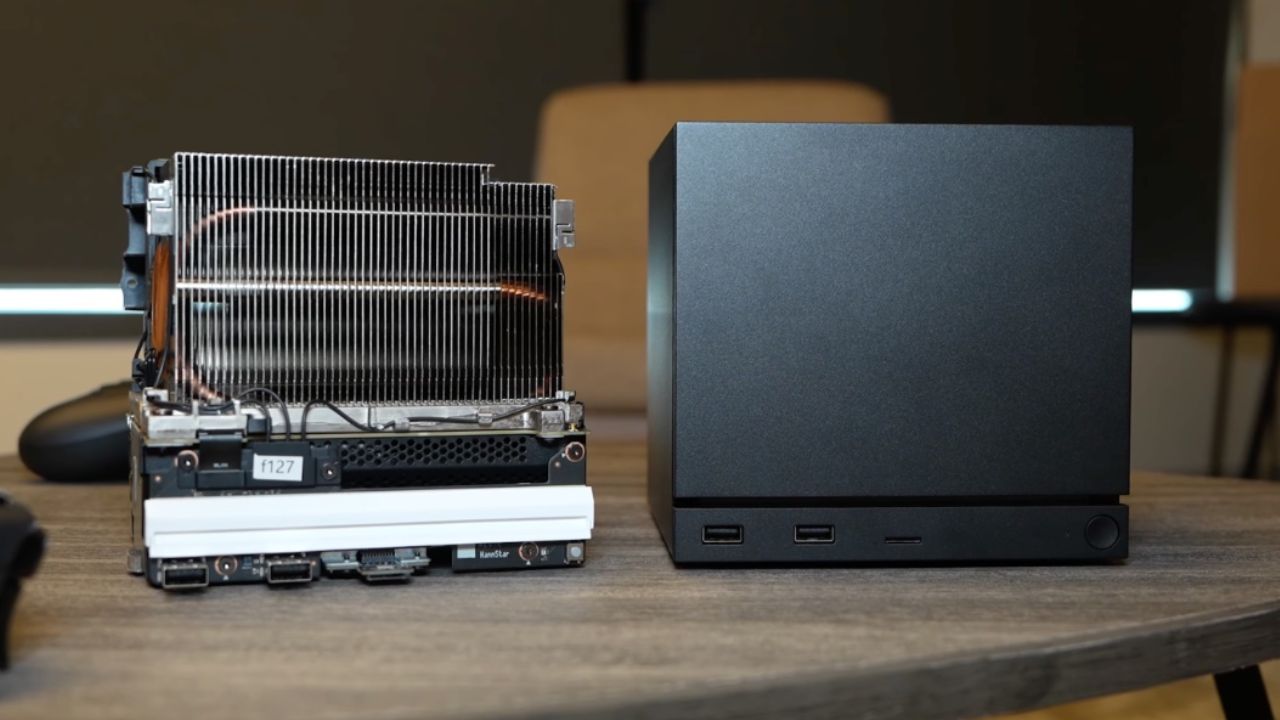
Valve has the financial flexibility to wait. The Steam marketplace continues to generate enormous revenue, meaning the company does not depend on hardware sales to sustain its business.
While Valve waits, competitors are moving forward. One notable development involves Microsoft’s upcoming Xbox hardware plans. Reports suggest the Xbox Helix platform will focus on high performance while supporting both Xbox and PC games.
The Steam Machine will run PC titles but not Xbox games, which creates an important difference in the value proposition. That means Valve must remain competitive in pricing if the hardware ends up less powerful than rival devices. Performance, visual fidelity, and framerate still matter to many players.
At the same time, the Steam Machine could appeal to a more casual audience that simply wants a seamless PC gaming experience in the living room.
Pricing will likely determine how successful the Steam Machine becomes.
Recent hardware launches illustrate the challenge. Devices such as the Xbox Ally X reportedly reached prices around $1000. Even for enthusiasts, that kind of cost can be difficult to justify in the current economy.
If Valve wants the Steam Machine to succeed with a broader audience, it needs to land in a more accessible price range.
There is speculation that the lowest configuration could start around $750. Anything below that would be considered a very pleasant surprise.
Another layer of speculation involves the long-rumored next installment of the Half-Life series.
Many fans believe the game could launch alongside the Steam Machine as a major system seller. The idea is that such a monumental release could drive excitement and hardware sales simultaneously.
If the Steam Machine continues to slip further into the future, it raises questions about whether that game might also be delayed.
Valve has the luxury of patience. The company can continue refining its projects while waiting for the right market conditions.
For fans who have waited years for the next chapter of the series, however, the possibility of further delays can feel frustrating.
Ultimately, the Steam Machine’s release window keeps shifting.
The timeline has moved from early 2026 to the first half of 2026, and now to simply sometime in 2026. At best, a holiday launch appears increasingly likely if the hardware does arrive this year.
If prices remain high, another delay cannot be ruled out.
The excitement around the Steam Machine remains strong, but the momentum has slowed. Rising hardware costs, shifting launch windows, and growing competition have created a challenging environment for Valve’s next device.
We may need to wait longer than originally expected before the Steam Machine finally arrives. You might find that patience ultimately leads to a better product and a more reasonable price.
For now, Valve appears willing to wait, refine the hardware, and launch when the conditions make the most sense.
Editor, NoobFeed
Related News
No Data.