
Valve Explains Why the New Steam Machine Costs Over $1000
The company defends its expensive new gaming device as internal photos reveal unexpected hardware choices.
News by Elme Dhee on Jun 24, 2026
Valve has officially addressed user concerns about the unexpected price of its upcoming Steam Machine. With initial configurations launching at over $1000 dollars without an included controller, many early adopters experienced severe sticker shock. Early community math had pointed toward a retail price closer to $750 dollars based on previous hardware trends.
The company clarified its position, stating that the Valve Steam Machine is not a traditional console but rather an open extension of PC gaming. Traditional console manufacturers like Sony typically sell their hardware at a financial loss. Those companies recover their revenue later through mandatory subscription services and closed digital storefronts.
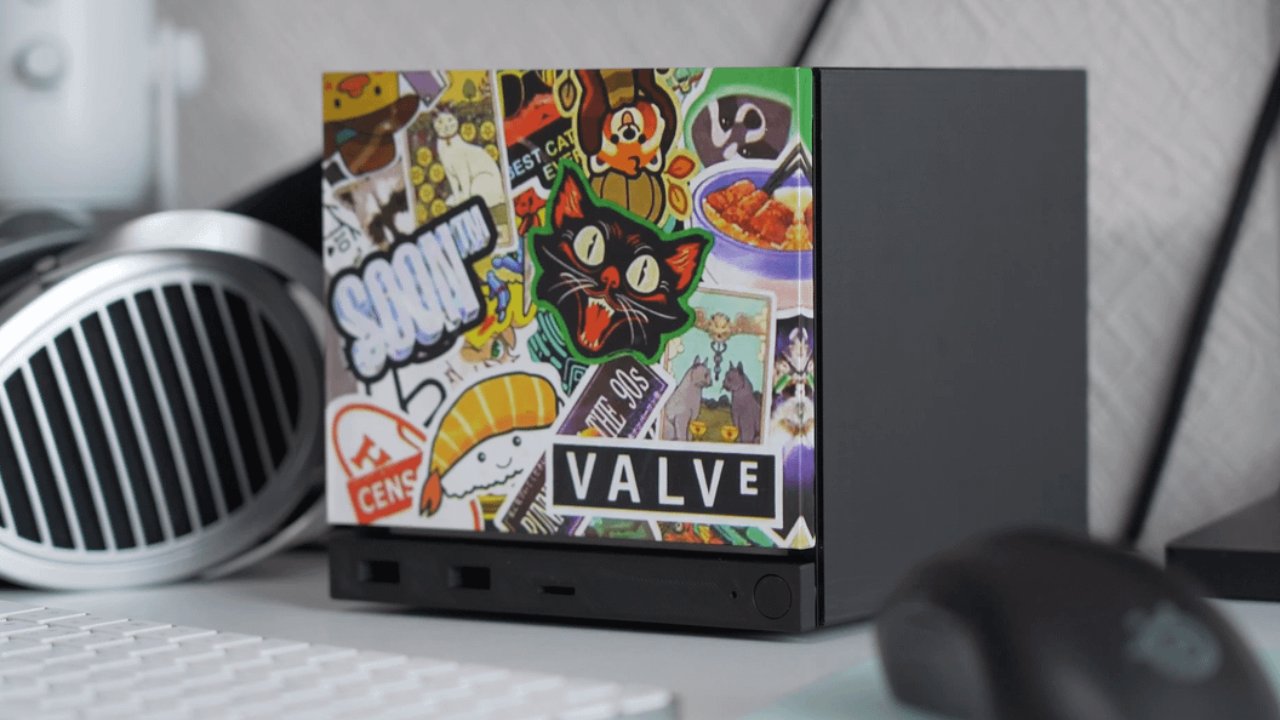
Open ecosystems, Valve said, ultimately provide more value to consumers. Because the company refuses to lock users into a single closed ecosystem, it cannot subsidize the hardware's initial retail cost. This design philosophy separates the device from traditional competitors like the PlayStation brand.
Engineering previews reveal massive cooling solutions inside a miniature frame.
Early technical analysis of the Valve Steam Machine has provided the gaming community with its first look at the internal component layout. Hardware engineers managed to compress the main architecture into a specialized Pico-ITX motherboard.
This ultra-compact layout represents a massive feat of internal space optimization. The device's physical volume is heavily dominated by its thermal management system. The interior volume is largely filled, about 80 percent of it, with a big copper finned heatsink assembly, a dense cooling brick that helps the compact unit to work hard without burning out when performing lengthy work sessions.
The processing core itself relies on a highly customized silicon layout. Analysts have noted that the integrated graphics setup closely mirrors high-end laptop components, such as the AMD 7600M XT chip. The engineered layout places the primary processing unit directly alongside four dedicated visual memory modules.
Sourcing issues cause mismatched memory configurations in early units.
The internal previews have highlighted a strange inconsistency regarding system memory allocation. Initial technical documentation showed the device running on a single 16 GB DDR5 RAM module. This single-channel setup surprised the hardware experts, who expected a dual-channel setup for maximum processing efficiency.
Compounding the confusion, different hardware reviewers received units with entirely different memory layouts. Some analysis units arrived with a single memory module, while others contained two 8-gigabyte sticks.
This difference soon led to questions about standardizing hardware across retail batches. Valve clarified that the varying internal components are the direct result of global supply chain challenges.
The company does not possess the massive component procurement leverage of legacy manufacturers like Sony. Consequently, the memory configuration of individual retail units depends heavily on component availability at the time of manufacturing.
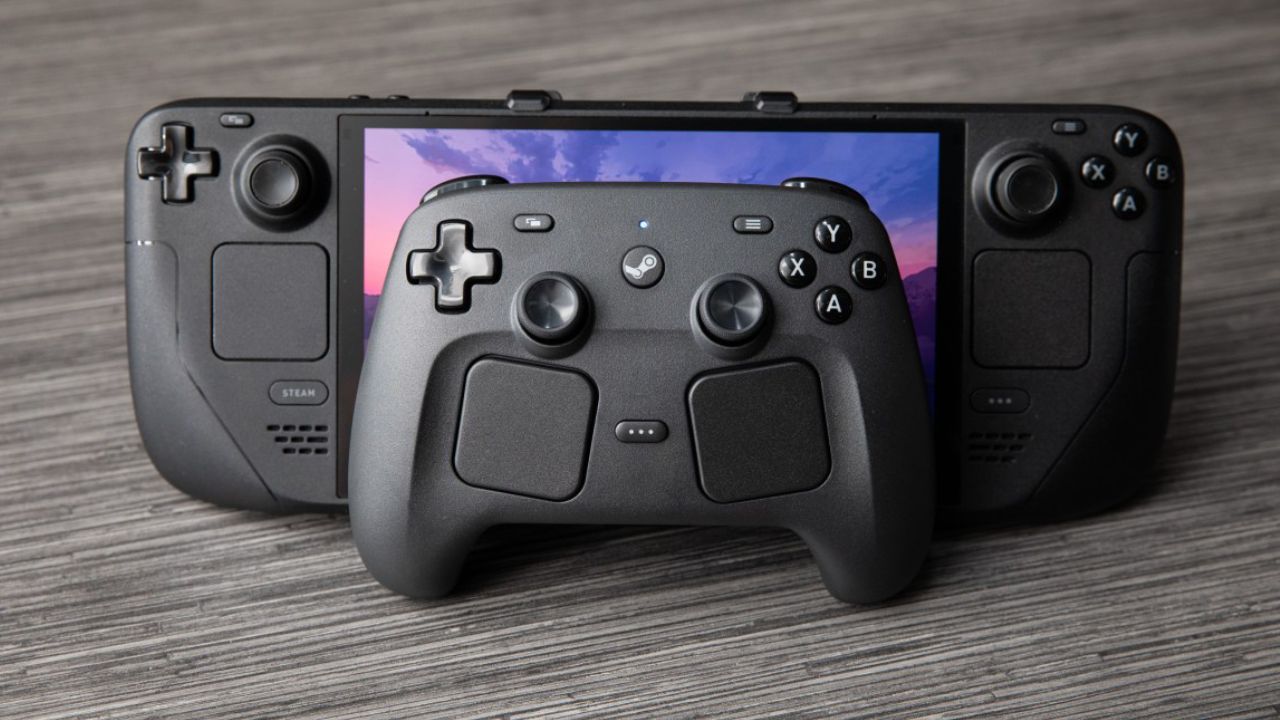
The lack of easy access to the hardware will make it difficult for buyers to upgrade simple components.
The internal layout creates unexpected obstacles for users who look to perform their own hardware upgrades. The main solid-state storage drive is fairly easy to swap out after removing the outer casing, but the system RAM takes a major teardown to reach.
The memory slot is located on the reverse side of the highly integrated Pico ITX motherboard. To reach this area, users must completely disassemble the core chassis and potentially detach the massive copper heatsink array.
This complicated arrangement prevents simple plug-and-play memory upgrades for the average consumer. The restrictive internal design has caused industry analysts to suggest a barebones retail alternative. Selling a cheaper version of the Valve Steam Machine without preinstalled storage or memory could lower the high financial barrier to entry. This would save buyers money by allowing them to use components they already have.
Custom builders might turn to software to save money.
The high entry price might eventually push budget-conscious consumers away from official retail hardware. While the device is expected to clear out initial inventory due to high demand from enthusiasts, long-term adoption remains to be seen.
Gamers looking for a living room PC experience have already begun exploring alternative options. You can build a custom, small-form-factor computer using older processing architectures to achieve similar performance at a much lower cost.
This DIY method has become more practical with recent operating system updates. SteamOS 3.8 is now widely available for public download, and users can easily replicate the official Valve Steam Machine software interface on their own custom-built hardware.
Editor, NoobFeed
Related News
No Data.