
The Legend of Heroes: Trails beyond the Horizon Review
PC
Long Roads, converging fates, and a world in transition.
Reviewed by Nusrat Choity on Jan 18, 2026
The Legend of Heroes series, which was made by Nihon Falcom, has been around for almost 20 years and has one of the most linked storylines in the history of JRPGs. In contrast to many franchises that start over with a new game, Trails has always moved forward, adding new characters, technologies, and government changes over the course of many stories.
The third book in the Calvard story is Trails Beyond the Horizon. It comes after Trails through Daybreak and Trails through Daybreak II. The tone of the show changed during this arc, moving away from standard heroic idealism and toward moral ambiguity, detective work, and a society that is quickly becoming more modern.
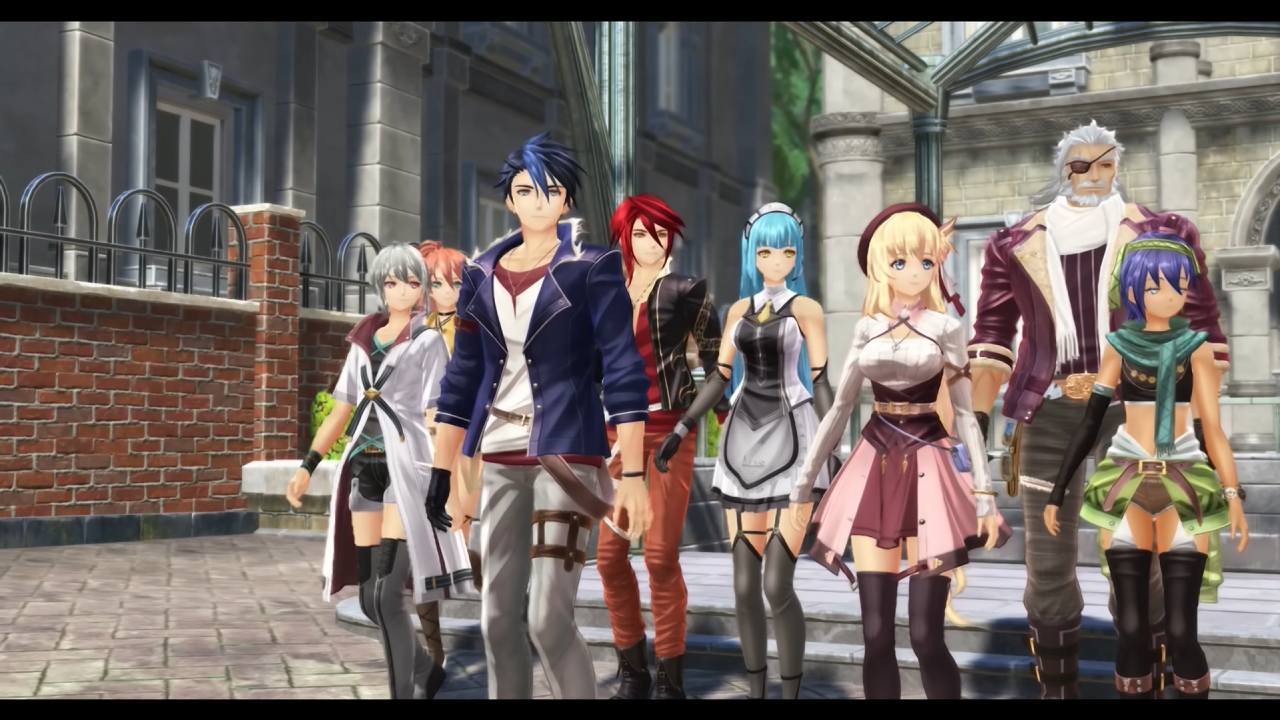
Beyond the Horizon comes out at a very important time, not only as a sequel but also as a test to see if the Calvard plot can finally bring together its ambition, speed, and mechanical experiments into a confident whole. Beyond the Horizon is a unique part of the franchise's past around the world.
Trails games used to come out in Japan years before they were released in the West, but this one comes out at a rare time when everything is almost at the same time. That feeling of "catching up" is a lot like the game's themes: a world that is rushing into the future without knowing if growth is good or bad. The game is supposed to bring together all of the main ideas from the Calvard arc and make up for Daybreak's weak execution in its sequel.
Instead of trying to make Trails all over again, Beyond the Horizon focuses on making things better, making the structure more stable, and giving its large cast room to breathe without slowing down the story.
In the Republic of Calvard, where the story takes place, technology is advancing at a speed that has never been seen before. People are about to make history by sending a person into space for the first time. This is the big news that everyone is talking about, but some people are quietly worried that the excitement isn't based on reality.
You'll be following Van Arkride again. He is the ethically flexible spriggan who is at the center of the Calvard arc. His job is a mix of detective work, fixing problems, and being a reluctant hero. This time, though, the story goes further, connecting Van's journey with two other paths being led at the same time by characters from earlier Trails arcs.
These three storylines happen at the same time and cross tracks at points where events, themes, and outcomes are similar. Van's journey is still the main part of the story; it connects the experience to the political and social changes in Calvard. The other routes offer different points of view, exploring personal struggles and unfinished stories that longtime fans will know right away.
Even though the game tries to put things in their proper context, this is not a game for people who have never played before. Understanding previous storylines, especially the two Daybreak books, is very important for understanding the emotional weight, thematic echoes, and even basic clarity.
No, Beyond the Horizon is not the same as the book that came before it. The story is still the same. Instead of moving from great character moments to stretches of filler, the story has a steadier beat. Things are still moving slowly, and sometimes it's too slow, but it doesn't feel like it's being lazy. When characters get to know each other better through a shared past, their relationships grow easily.
Van's story builds up slowly, so the payoffs don't feel forced; they feel earned. However, some of the payoffs aren't as huge as others.
Beyond the Horizon is still a standard Trails game at its core, with exploration, storylines with lots of dialogue, side quests, and the ability to change how your character looks. It's easy to get around in towns and dungeons, with a focus on efficiency over spectacle. You aren't jumping from roof to roof or solving environmental problems to get from one place to another.
Instead, the design focuses on flow and clarity. The menus are thick but make sense, so you can make a lot of changes without too much trouble once you get used to them. Investigations are still a defining feature. The topic system makes it so that talks naturally bring up new questions that can be asked of other characters. Instead of rigid quest markers, progress is often made by putting together pieces of information from different encounters.
This makes you think about active reasoning and encourages you to read carefully and explore instead of passively chasing objectives. Investigations that you can choose to do give the world more depth, and they often reveal smaller character stories that support the game's main themes of moral balance and social change.
In the past, there have been more side events at Calvary games. Because they're often tied to character growth or progress systems, minigames like sports, gaming, fishing, and hacking jobs don't feel like they're taking away from the main story. The Grim Garden is an extra mode that keeps showing up. It's very important because it makes the main story better and gives you more tools without seeming forced.
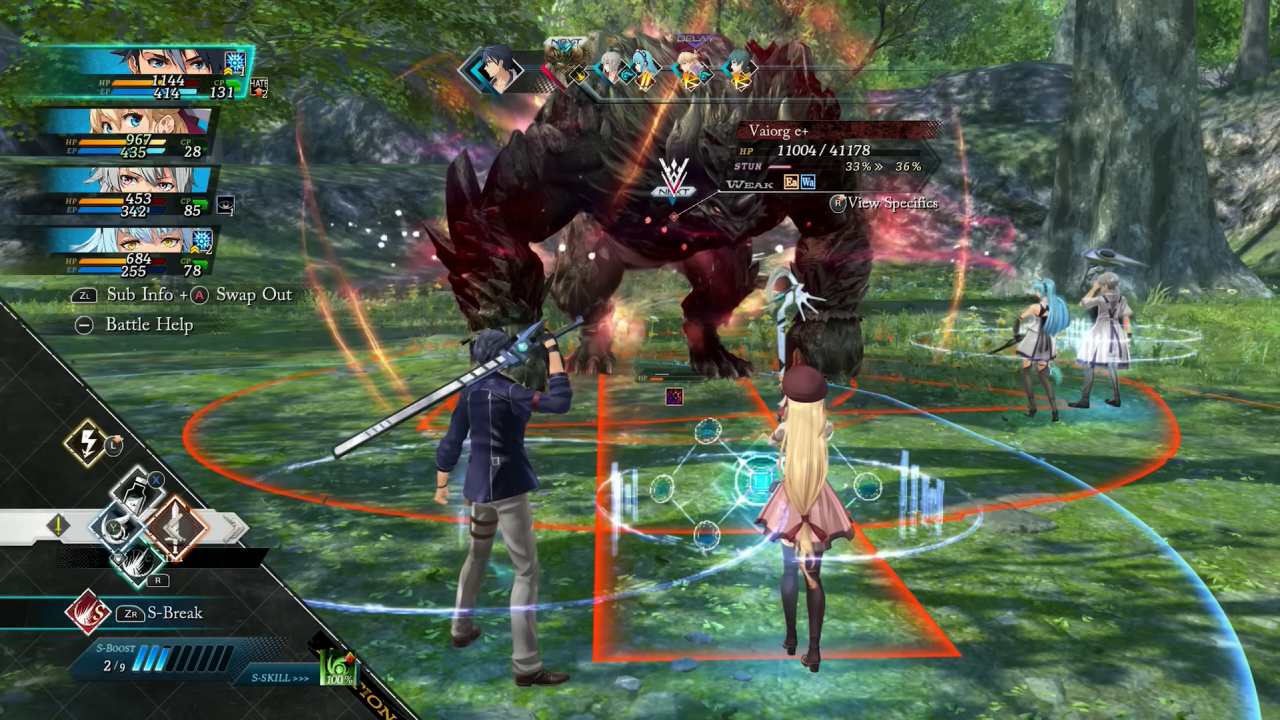
Because Beyond the Horizon is a mix game, combat is still the most unique thing about its mechanics. You can switch between real-time action battles and traditional turn-based fights without any problems, sometimes even during the same fight. As you move, dodge, and act, where you stand and when you act are all important.
You can quickly give orders, do arts and crafts, attack with easy keys, and switch between characters with ease. When dodges are timed just right, they slow down the game and give you a chance to counterattack hard.
.jpg)
As things get worse, fighting changes to a turn-based mode. Moving around is still important here because the closeness of characters affects bonuses and combos. Since the order of turns can be seen and changed, it's possible to make plans that reward planning ahead rather than brute force. The system feels fast, which is almost unheard of for a JRPG. It keeps going even when things get tricky.
This base is strengthened by new mechanics. When characters awaken, they briefly become empowered, which makes their damage and abilities stronger. ZOC adds resource-driven speed control, which lets you skip turns or act one after the other if you know how to use it right. Orders add another layer of strategy to the game.
They give you powerful buffs that your enemies can also use, so you have to respond instead of being able to take over without any problems. All of these systems push combat toward making deliberate choices, especially when the difficulty is great.
On the other hand, puzzles stay pretty easy. Dungeon plans are very familiar, sometimes too much so, as they can be exact copies of older designs. Environmental questions do exist, but they don't usually test your ability to solve problems over the long term. Hacking-style minigames and locked boxes add variety, but they don't really surprise you.
This part of the design works, but it feels too conservative, like it puts safety over trying new things.
Trails has a set framework that helps people gain experience and grow as people. Battles give you materials and experience points that you can use to unlock arts, crafts, and passive bonuses. It doesn't feel like a lot of work to grow, especially when you interact with optional material. On normal difficulties, success rarely requires farming over and over again. Higher challenge modes, on the other hand, make you use systems like customizing shards, timing orders, and managing resources more deeply.
It seems like character growth is more important here than in Daybreak II. Upgrades don't just give small numeric boosts; they change the way you play in important ways. This makes it seem like trying new things is rewarded, especially when building parties around synergy instead of raw power. Grinding is there, but it doesn't feel necessary. It's more of a tool for skill than a way to stay alive.
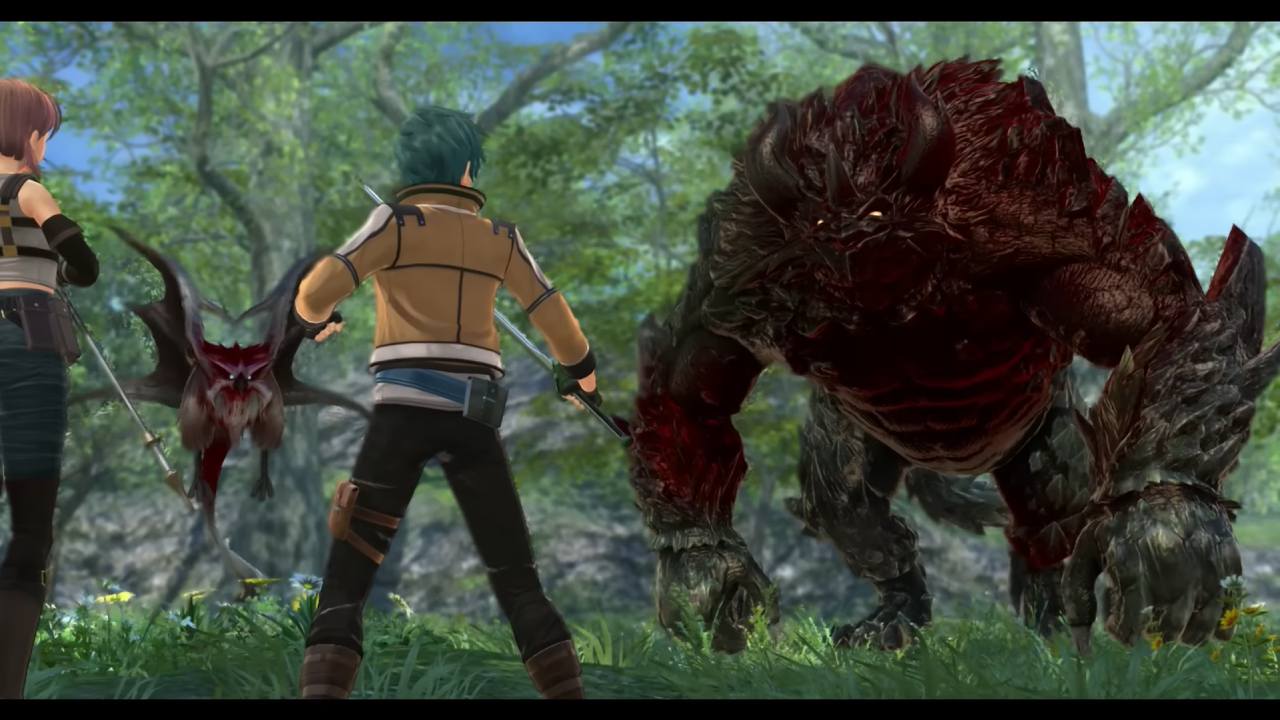
Beyond the Horizon shows the pros and cons of Falcom's system through its graphics. The character models show how they feel, the animations for fights are smooth, and the special effects during battles give them more impact. When there is combat, these elements really shine because motion and clarity drive the show.
When you're not in a fight, environments can feel dull. Cities don't have a lot of people, draw distances are short, and environmental features often stand out.
The size and frame rate go up when you use better gear, but the quality of the assets stays the same. Shades, textures, and the world's richness don't make the most of what computers can do now. Still, the art style stays the same, and the designs of the characters keep being unique. This makes the look of the series the same, even if the technical goals aren't met.
One of the best things about the game is still its sound. The music is carefully paced so that emotional beats stand out without being too loud for the scenes. The music in this movie is more consistent than the music that came before it. It adds tension during climactic times and a soft warmth during quieter interactions. The voice acting is good in both English and Japanese, giving characters realistic performances that add to their depth instead of taking away from it.
Ambient sound design makes it easier to get lost in the game, especially in cities where normal noises bring out the themes of progress and social change. Even though it's not new, the sound is well-done and reliable, which makes the whole experience better.
Not a big change from the last game, but The Legend of Heroes: Trails Beyond the Horizon doesn't need to be. It works by making the Calvard arc more stable, improving hybrid fighting, and making the story more consistent. It does have some problems, like sluggish movement, simple dungeon design, and old-fashioned graphics, but they no longer overpower its good points. Fans of Trails for a long time say it finally feels like it's working well with itself.
Contributor, NoobFeed
Verdict
A strong, story-rich JRPG that improves its systems and keeps things the same. Trails beyond the Horizon isn't perfect, but fans who care about long-form stories and strategic combat will find it very satisfying.
88
Related News
No Data.