

AMD FineWine Radeon RX 9070 XT Review: Pricing and Gaming Benchmarks
Discover how the Radeon RX 9070 XT achieves up to 30% higher frame rates in key titles through refined AMD driver optimizations
Hardware by Nakiro on Jul 03, 2025
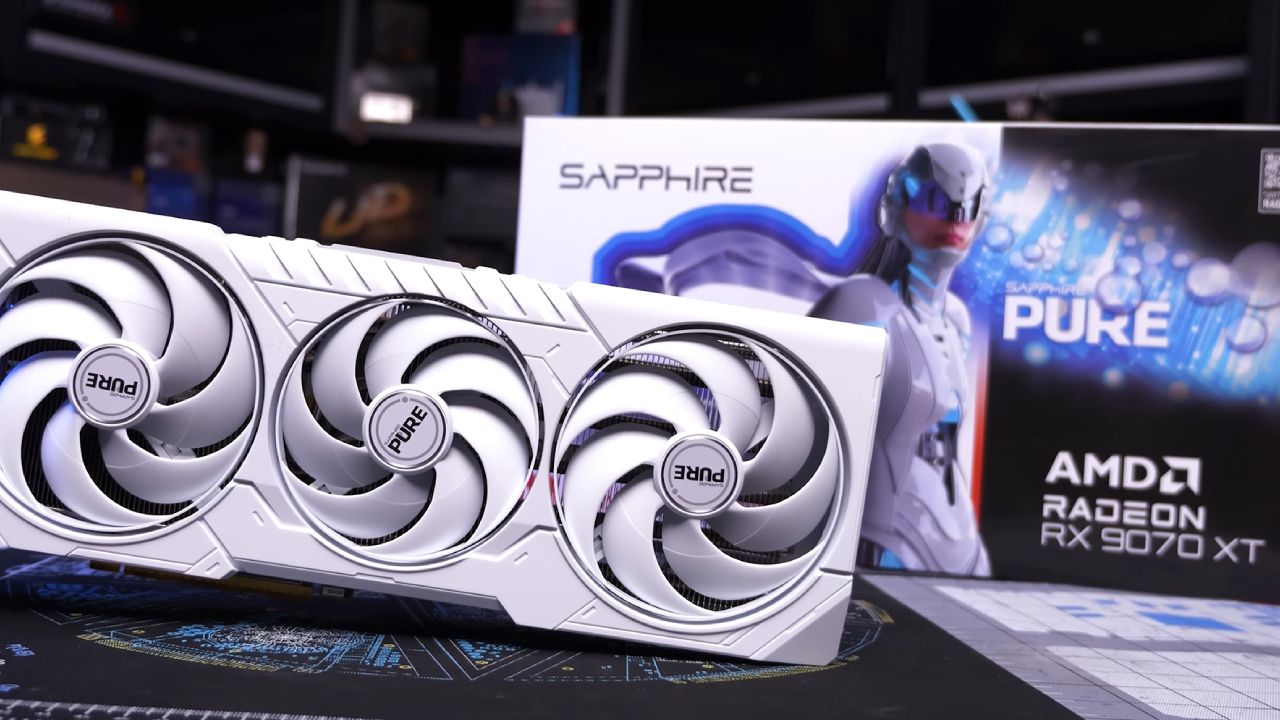
The Radeon RX 9070 XT has generated considerable interest since its launch, and recent reports suggest that performance has improved with newer display drivers. To verify these claims, we revisited our original benchmark results and retested a selection of titles using the latest drivers.
In addition, we included the GeForce RTX 5070 Ti in our tests to determine whether any observed gains stem from driver optimizations or simply from game updates and patches. Below, you’ll find our methodology, detailed findings for each game, and an updated price analysis in the US market.
Testing Methodology
We used the same hardware and software configuration as our initial review to ensure apples-to-apples comparisons. Our test system featured an Intel Core i9-13900KS processor, 32 GB of DDR5-6000 CL30 memory, and Windows 11 (latest update).
We benchmarked each GPU at 1440p and 4K using identical in-game settings from our day-one review. Of the original 18 titles, 16 were retested; Marvel Rivals was dropped due to an invalidated replay, and War Thunder was excluded because of lingering stability issues affecting both GPUs.
Star Wars Jedi: Survivor
This title has not received any updates since launch, so any performance changes would be driver-related. However, neither the RX 9070 XT nor the RTX 5070 Ti showed any deviation from our original results at 1440p or 4K. Both GPUs delivered the same frame rates as before.
A Plague Tale: Requiem
With no patches in years, A Plague Tale: Requiem offers a pure look at driver impact. In our initial tests, the RTX 5070 Ti was 8% faster than the RX 9070 XT. Today, both GPUs averaged 122 fps at 1440p and 68 fps at 4K, indicating a clear driver-level improvement for AMD.
Cyberpunk 2077: Phantom Liberty
Since, Cyberpunk 2077: Phantom Liberty's January update, no new patches have been released. Our updated results show the RX 9070 XT is now 4% faster than the RTX 5070 Ti at 1440p, where previously they were tied. At 4K, the RTX 5070 Ti saw a 9% uplift on its 1% lows, matching AMD’s 1% low performance, which also improved.
Dying Light 2
Despite several game updates, performance remains consistent in Dying Light 2, with under a 2% variance at both 1440p and 4K, suggesting that driver optimizations and game patches have balanced each other out.
Dragon Age: The Dreadwolf
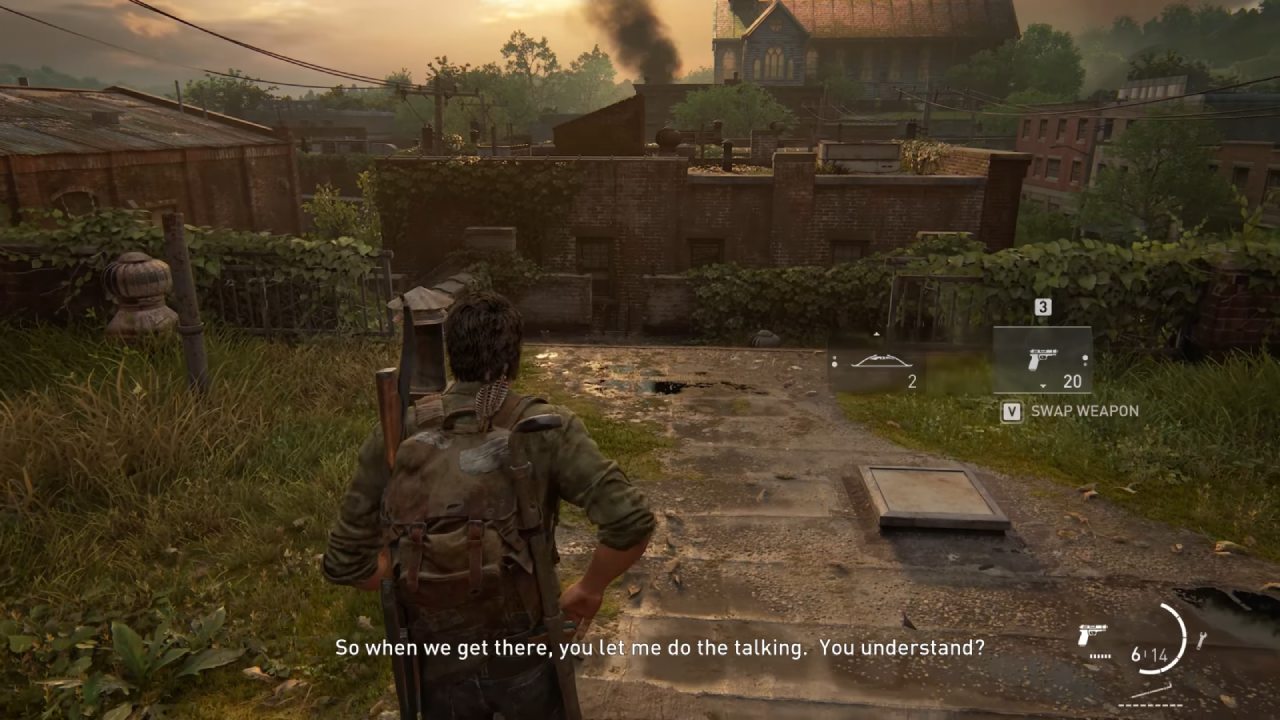
No game updates have occurred since launch, and AMD drivers were unable to boost performance significantly. The RTX 5070 Ti saw a minor 3% gain at 1440p, while both GPUs remained within 2% of their original 4K results.
Marvel’s Spider-Man Remastered
No updates this year make Spider-Man a pure driver test. I was surprised to find that the RX 9070 XT leapt from 169 fps to 214 fps at 1440p—a 27% gain, turning an 8% deficit into a 24% advantage over the RTX 5070 Ti. The GeForce card, meanwhile, inexplicably dropped by 7%. At 4K, AMD saw a 7% uplift, giving the RX 9070 XT a 7% lead.
Hogwarts Legacy
Although the game received a couple of updates, none were performance-focused post-launch. The RTX 5070 Ti held steady, but the RX 9070 XT jumped from 130 fps to 153 fps at 1440p—an 18% gain, which widened its lead to 21%. At 4K, AMD improved by 5%, maintaining a 10% advantage, with lows of 1% up by nearly 30%.
The Last of Us Part I
At 1440p, the RX 9070 XT was unchanged, while the RTX 5070 Ti slowed by 4%, resulting in near-identical performance. At 4K, both GPUs mirrored their original results.
Star Wars Outlaws
The RX 9070 XT saw a 3% bump at 1440p, enough to tie the RTX 5070 Ti. At 4K, results remained unchanged, with Nvidia retaining a slight lead.
Starfield
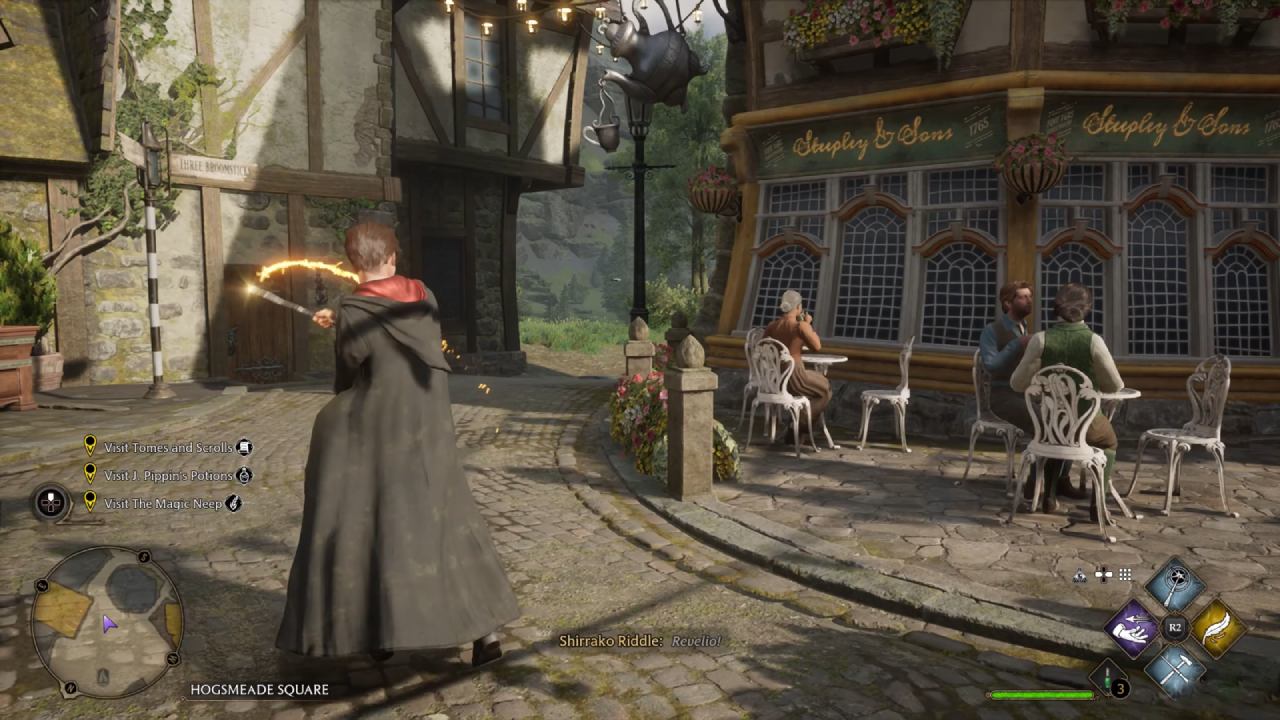
I observed a 5% increase for AMD at 1440p, moving from 79 fps to 83 fps, while Nvidia fell by 2 fps, tying both GPUs at 83 fps. At 4K, performance stayed within the frame of our original data.
Delta Force: Black Hawk Down
The RTX 5070 Ti dipped by 3% to 168 fps at 1440p, whereas the RX 9070 XT soared 14% to 183 fps, flipping an 8% disadvantage into a 10% advantage. At 4K, both cards now match.
God of War Ragnarök
Here, Nvidia gained 2.5% at 1440p, but AMD’s 9070 XT still pulled ahead with a 10% boost, finishing 9% faster. At 4K, performance remained unchanged.
Counter-Strike 2
AMD saw a massive 23% uplift at 1440p, swinging from 10% behind to 10% ahead of Nvidia. At 4K, the RX 9070 XT climbed 14% but still trailed the RTX 5070 Ti by 4 fps, although its 1% lows improved.
S.T.A.L.K.E.R 2
With game updates but no change to Nvidia performance, the RX 9070 XT gained 12% at 1440p, matching or slightly exceeding the RTX 5070 Ti and outpacing it on 1% lows. At 4K, an 8% bump put AMD alongside Nvidia with stronger low-end consistency.
Warhammer 40,000: Space Marine 2
April’s patch notes hinted at performance gains, but Nvidia’s driver fix was the real story. The RTX 5070 Ti improved by 36% at 1440p, while AMD climbed 10%, handing Nvidia a 6% lead, reversing the prior 14% deficit. At 4K, Nvidia now leads by 9% after a 63% uplift, while AMD rose 10%.
Call of Duty: Black Ops 6
Both GPUs improved, but AMD saw a 14% jump at 1440p compared to Nvidia’s 6%, widening its lead from 22% to 30%. At 4K, AMD again gained 13% versus Nvidia’s 3%, maintaining a 30% advantage.
Aggregate Results
Across these 16 titles, the RX 9070 XT averaged a 9% performance uplift from driver and game updates, whereas the RTX 5070 Ti improved by just 2.5%. Based on our latest tests, AMD now leads by 3% at 1440p, flipping a slight Nvidia advantage into an AMD lead. At 4K, gains were muted, with AMD rising 4% and Nvidia 3%, resulting in virtually identical overall performance.
.jpg)
Where Gains Occurred
The most significant improvements for the RX 9070 XT—10% or greater—were seen in Marvel’s Spider-Man Remastered, Counter-Strike 2, Hogwarts Legacy, Delta Force, S.T.A.L.K.E.R. 2, Warhammer 40,000: Space Marine 2, and God of War Ragnarök.
Six games showed modest gains of 5% or less: Starfield, Star Wars Outlaws, The Last of Us Part I, Star Wars Jedi: Survivor, Dying Light 2, and Dragon Age: The Dreadwolf. At 4K, only three titles surpassed a 10% gain, ten showed a 5% or less increase, and seven remained unchanged.
These results suggest that early RDNA 4 drivers were less efficient at lower resolutions, but have quickly matured. Despite the Radeon GPU’s narrower memory bandwidth compared to Nvidia’s GDDR7 solution, AMD now competes strongly at 1440p, where it previously lagged.
Price Comparison in the US
As prices remain in flux, the RX 9070 XT can currently be found for around $700 US—approaching its $600 US MSRP. The RTX 5070 Ti, on the other hand, sits closer to $900 US, a nearly 30% premium. Given the almost identical performance post-driver updates, I struggle to justify Nvidia’s price markup.
Value Proposition
The Radeon RX 9070 XT has demonstrably improved as RDNA 4 drivers mature, delivering up to 30% higher frame rates in specific titles. Meanwhile, the RTX 5070 Ti has seen more modest gains and remains priced at a significant premium.
Ultimately, both GPUs offer a very similar gaming experience today, so your decision should hinge on current street prices and availability.
Check Our Other AMD articles:
- AMD Ryzen 9 9950X3D Review: Setting The Standard For 2025 Gaming CPU
- AMD RX 9070 XT Review: AMD's RDNA 4 Champion for 1440p Gaming
- AMD Ryzen 7 9800X3D Review: 3D V-Cache Goes God Mode with Stunning Gaming Performance
- AMD Radeon RX 9070 XT In Cyberpunk 2077: Ray Tracing & FSR 4.0 Tested
- AMD RX 9070 Performance Review: Thermals, Clocks, and Real-World FPS
- AMD Ryzen 5 7600 Review: Best Budget Gaming CPU of 2025?
- AMD Radeon RX 7800 XT Review: RDNA 3 Power For Midrange Gaming
- Sapphire NITRO+ AMD Radeon RX 9070 XT Review: The Ultimate 4K Gaming GPU
- AMD Ryzen 7 7800X3D: Delivers Gaming Performance Far Beyond Expectations
- AMD Ryzen 9 7900X Review: Powering the AM5 Era with DDR5 & PCIe 5.0
- ASRock Radeon RX 7800 XT Challenger OC Review: Best Price-to-Performance GPU of 2025
- Intel Core i9‑14900K vs. AMD Ryzen 7 7800X3D: Power Profiles & Gaming Benchmarks
Editor, NoobFeed
Latest Articles
No Data.