
Inside America’s Esports Boom: How US Tournaments Are Shaping Modern Competitive Gaming
Other by Nestee Shy on Apr 21, 2026
Competitive gaming in the United States has moved well past the stage where anyone needs to explain what it is. Major tournaments now fill arenas, draw millions of online viewers, and command the kind of sponsorship budgets once reserved for traditional sports.
But the real story isn’t just the scale. It’s what American events are doing to the industry’s direction, its standards, and its long-term architecture.
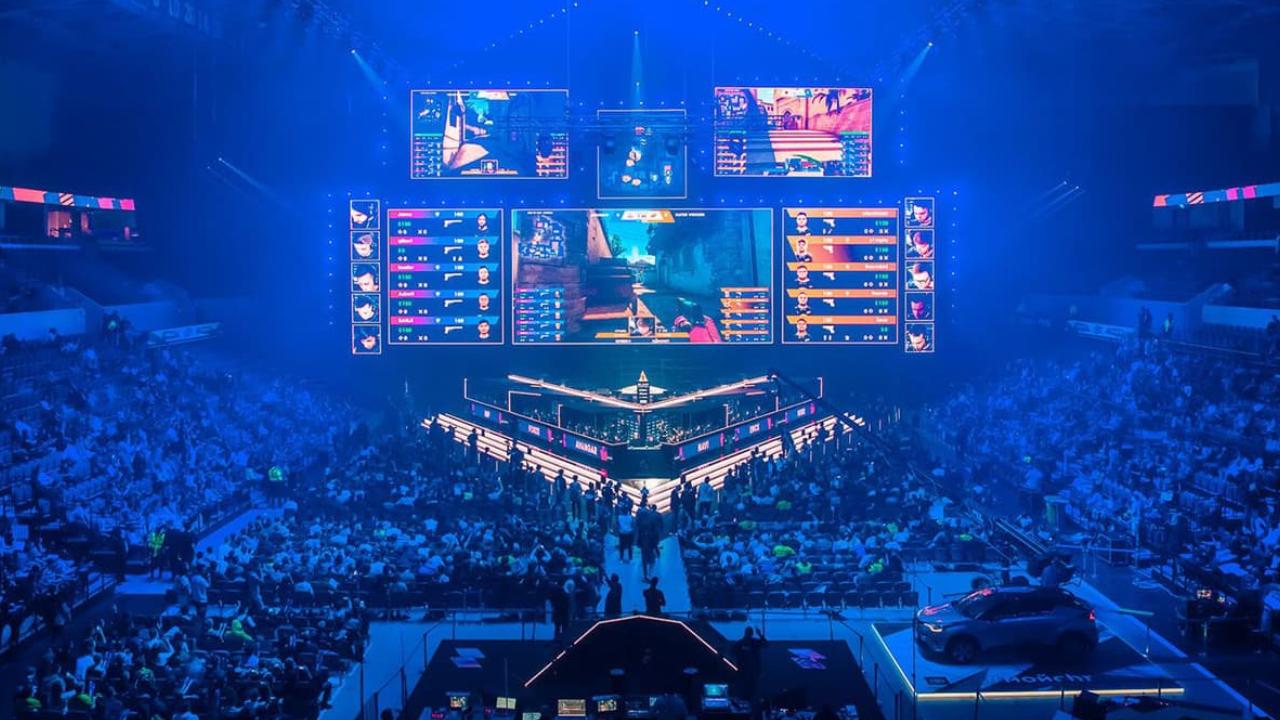
American Tournaments as Global Reference Points
Other regions watch what happens at US tournaments because those events tend to preview what the rest of the world will look like in two or three years. This isn’t about prestige. It’s about infrastructure.
The United States has a concentration of entertainment production expertise, media investment, and sports-style event management that very few countries can replicate at the same scale. When a tournament in Los Angeles or Las Vegas experiments with a new broadcast format or a novel fan experience, organizers in Europe, Southeast Asia, and Latin America take notes.
That influence compounds over time. Decisions made at one major American event about how to pace a broadcast, how to structure a stage, or how to activate a sponsorship on the floor of a venue don’t stay local. They migrate.
Broadcast Standards Are Built on American Stages
Anyone who has watched a professional esports broadcast in the last several years has noticed how far production values have climbed. Camera work, desk analysis, graphics packages, real-time statistics overlays, player profiles that build narrative across a weekend-long tournament, these elements didn’t arrive fully formed. They were tested, revised, and refined at live events where the stakes were high enough to justify serious investment.
US tournaments have been central to that process. The best productions now rival traditional sports broadcasts in their pacing and polish. That raises the bar globally, because audiences who experience a high-quality broadcast don’t forget it. They carry those expectations to the next event they watch, wherever it’s held.
Sponsorship Money Follows Structure
Brands want predictability. They want to know that an investment in an esports tournament will translate into measurable exposure, a coherent audience demographic, and activation opportunities that extend beyond a logo on a jersey. American events have become attractive precisely because they offer that structure.
Partnerships at major US tournaments now reach into stage branding, digital activations integrated directly into livestreams, dedicated fan zones, and coordinated social media campaigns built around the event calendar. Red Bull, Intel, Adidas, and Logitech have all leaned into this model.
The commercial environment has matured enough that brands aren’t treating esports as experimental anymore. They’re treating it like a media channel with a proven return. The global esports market was valued at around $4.5 billion in 2026 and projections put it well above $30 billion by 2036, with sponsorship and advertising leading the revenue categories driving that growth.
Audience Behavior as a Market Signal
Tournament organizers and publishers both study how people watch. Do they stay for three hours or drop off after forty minutes? Are they watching on Twitch, YouTube, or somewhere else? Do they buy merchandise? Do they come back? The answers to those questions shape everything from broadcast scheduling to prize pool announcements.
There are online casino free server data trackers observing how younger demographics engage with competitive gaming events across platforms, and their findings consistently point to the same conclusion: this audience is sticky, it’s growing, and it skews toward demographics that mainstream advertisers have spent years trying to reach.
US tournaments, because of their size and media penetration, generate some of the most useful behavioral data in the industry. That makes them valuable not just as entertainment events, but as research instruments.
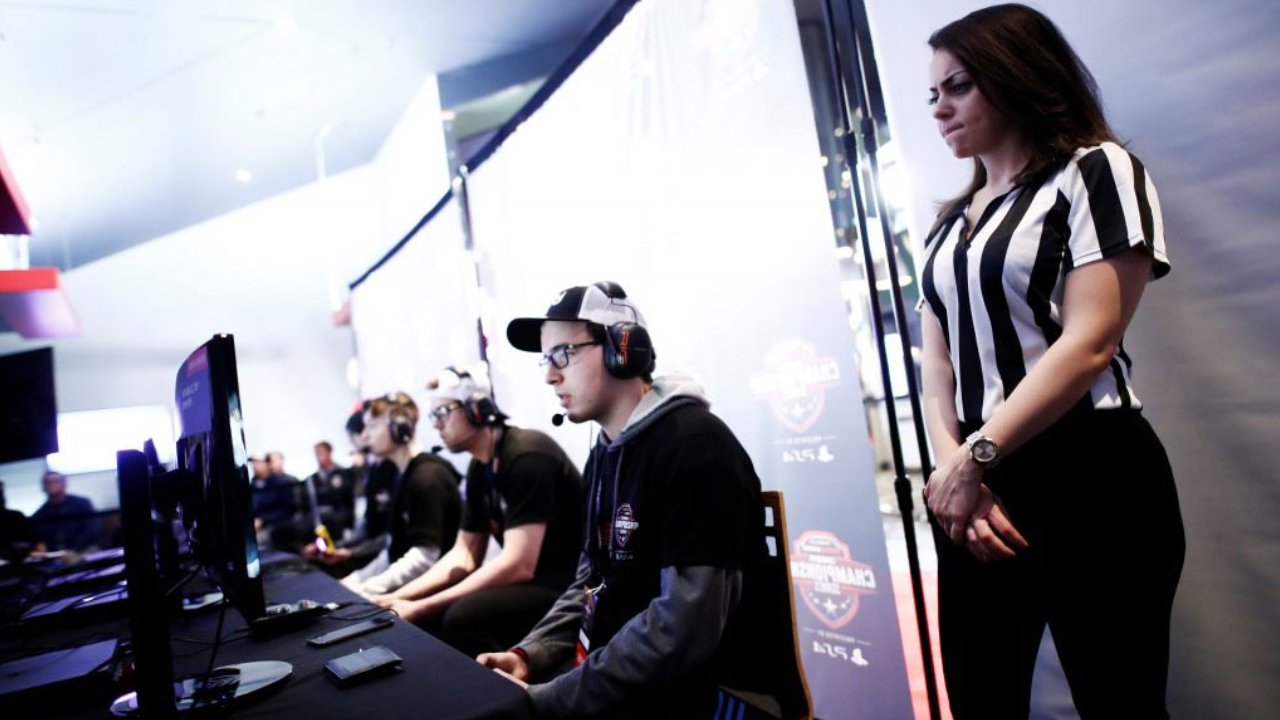
Collegiate Esports Is Building Something That Lasts
One of the clearest signs that American esports is developing genuine institutional depth is what’s happening on college campuses. Over 260 universities now operate varsity esports programs through the National Association of Collegiate Esports alone, up from 175 in 2022.
Scholarship funding distributed in the 2023-2024 academic year reached an estimated $46 million. These aren’t club activities anymore. They’re varsity programs with coaching staffs, dedicated facilities, and academic degree pathways in esports management and game design.
Places like Full Sail University operate esports arenas exceeding 11,000 square feet. UC Irvine launched the first public university esports program back in 2016 and has since won national championships in League of Legends and Valorant. Graduate job placement rates from these programs exceed 78%, with alumni going into broadcasting, event production, marketing, and team management.
This matters for the tournament ecosystem because high-profile events don’t run on player talent alone. They require commentators, analysts, production staff, event coordinators, and broadcast engineers.
The collegiate pipeline is producing all of those. The high school-to-college pathway is formalizing too, with organizations like the National High School Esports League reporting an 83% school renewal rate in 2024 and formal agreements now in place to feed talent directly into collegiate programs.
US Cities Are Competing for the Calendar
Las Vegas hosted the first Smite 2 World Championship in January 2025. Cities across the country have invested in hosting international Valorant, Counter-Strike, and League of Legends events because they understand what major tournaments bring: hotel stays, restaurant spending, media coverage, and the kind of youth-demographic visibility that convention and tourism boards have chased for years.
For esports, the benefit runs in the other direction too. Access to larger venues, stronger local media infrastructure, and established hospitality networks make American cities capable of staging events at a scale that smaller markets simply can’t match. The feedback loop is real. A successful international event in a US city strengthens that city’s case for the next one, which strengthens American esports’ role in the global calendar.
Innovation Happens Where the Pressure Is Highest
New ideas get tested at major tournaments because that’s where the budget, the audience, and the scrutiny all converge at once. Virtual reality spectator features, dynamic seeding formats, immersive stage designs, alternate viewing streams for different audience segments, these have all been piloted at large-scale events. Some fail. The ones that work get adopted elsewhere.
American tournaments operate under a particular kind of pressure because the production expectations are high and the commercial stakes are visible. That pressure isn’t a burden. It’s the engine. The industry’s next version keeps getting built on these stages, then shipped out to the rest of the world.
Moderator, NoobFeed
Latest Articles
No Data.