
From Cartridges to Wallets: How Paying for Video Games Has Changed Over 30 Years
Other by Druuna Lewis on Feb 12, 2026
Although the action still took place on a screen, playing video games used to be a tactile experience. It involved many intentional, physical actions like blowing dust off a game cartridge and sliding it into a console. Even purchasing the game itself involved a trip to the store and the use of cash or a credit card.
Given that you can now download an entire library of titles in minutes, undergoing that lengthy process from purchase to play seems surprisingly time-consuming in hindsight. While there's a nostalgia and even quaintness associated with traditional game purchasing, it would feel limiting if that were your only choice.
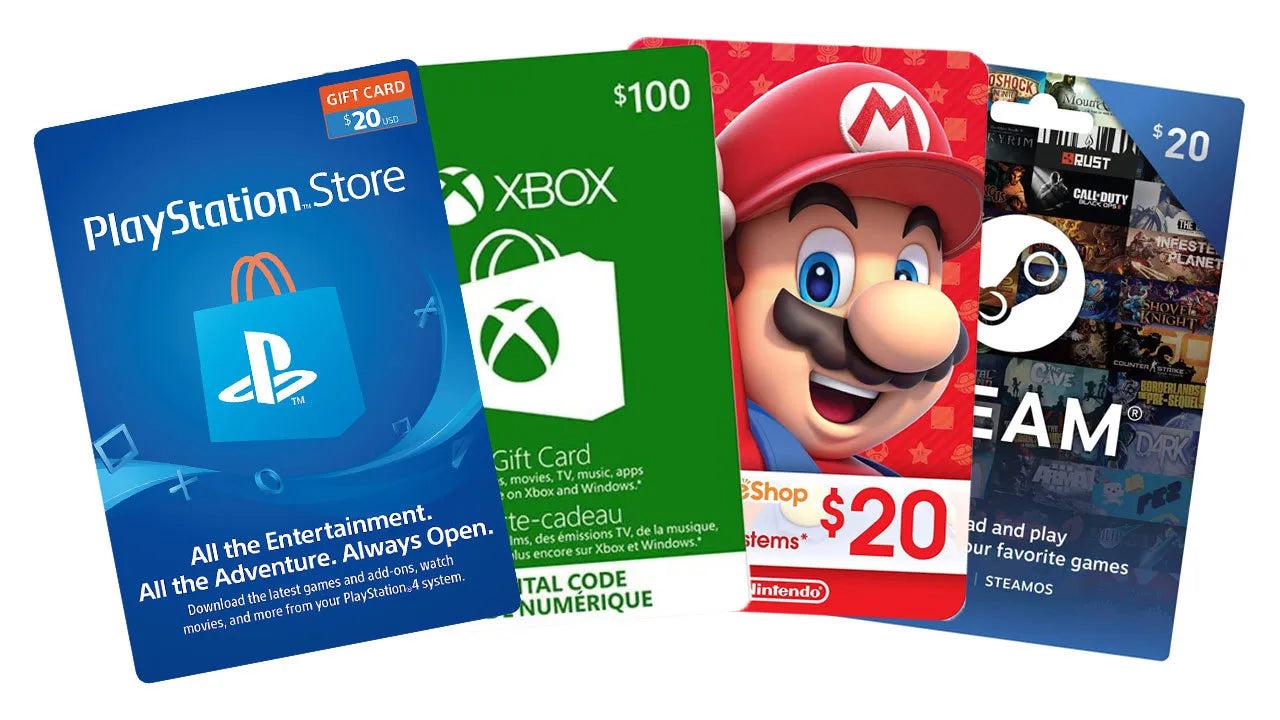
The way we pay for games has changed right alongside how we get them, and there are countless ways to pay. In turn, the way gamers think about convenience and value has changed dramatically, often influencing expectations across other forms of mainstream entertainment.
The Early Days of Cash Payments
Before the widespread availability of digital downloads, gamers had no choice but to go to a local store and pay in cash. The process itself wasn't complicated, but there were many limitations, including stock and time constraints. Physical media meant dealing with fixed prices and waiting for restocks—none of the convenience or instant price comparison that we take for granted today.
What you saw on the sticker price was what you paid for, and purchasing a game was tactile and predictable. On the other side of the coin, it helped expose all the restrictions that needed to be worked around.
Digital Storefronts and Platform Wallets
Steam's 2003 launch marked the release of the first digital storefront, but it wasn't initially made for purchasing and downloading video games. PC games were getting bigger, patches were becoming more frequent, and physical distribution was starting to get messy.
That's not to say earlier experiments didn't exist. SEGA Channel let Genesis owners download games via cable, but the constraints of the late 1990s limited it. Yet it managed to help prove that the idea was worth developing.
As more and more online stores like Steam, PlayStation Store, and Xbox Live open, having actual inventory has become less important. Some people wanted to keep physical copies of games and media, but most players swiftly switched to digital distribution since it was easier. Shelf space and regional shipments weren't a factor anymore, and players had far more control over what they bought and when.
Platform wallets introduced a way to store funds and simplify repeat purchases. Gamers could preload funds that were ready to go when they wanted to buy, without re-entering payment information every time.
These storefronts also offered seasonal sales, bundle deals, and discounts to encourage impulse buying. Players could now spend far more than just the price of the game itself, in ways that we'll discover below.
Subscriptions and All-You-Can-Play Models
In some cases, individual games aren't technically bought at all. Like Netflix, online retailers evolved into ecosystems that offered subscription services with all-you-can-play (AYCP) models. All three of PlayStation Plus's tiers—Essential, Premium, and Extra—offer subscribers a library of new games every month in exchange for a flat fee. Players could also access exclusive discounts and content without committing to a single purchase.
Value was redefined under the AYCP model. Because of subscription plans, people were more open to trying new games and could see how much content they got for their money.
In terms of money, subscriptions mainstreamed recurrent payments, which were not characteristic of video game culture. Purchases were one-and-done; once the game was owned, that was it.
In-Game Transactions and Microtransactions
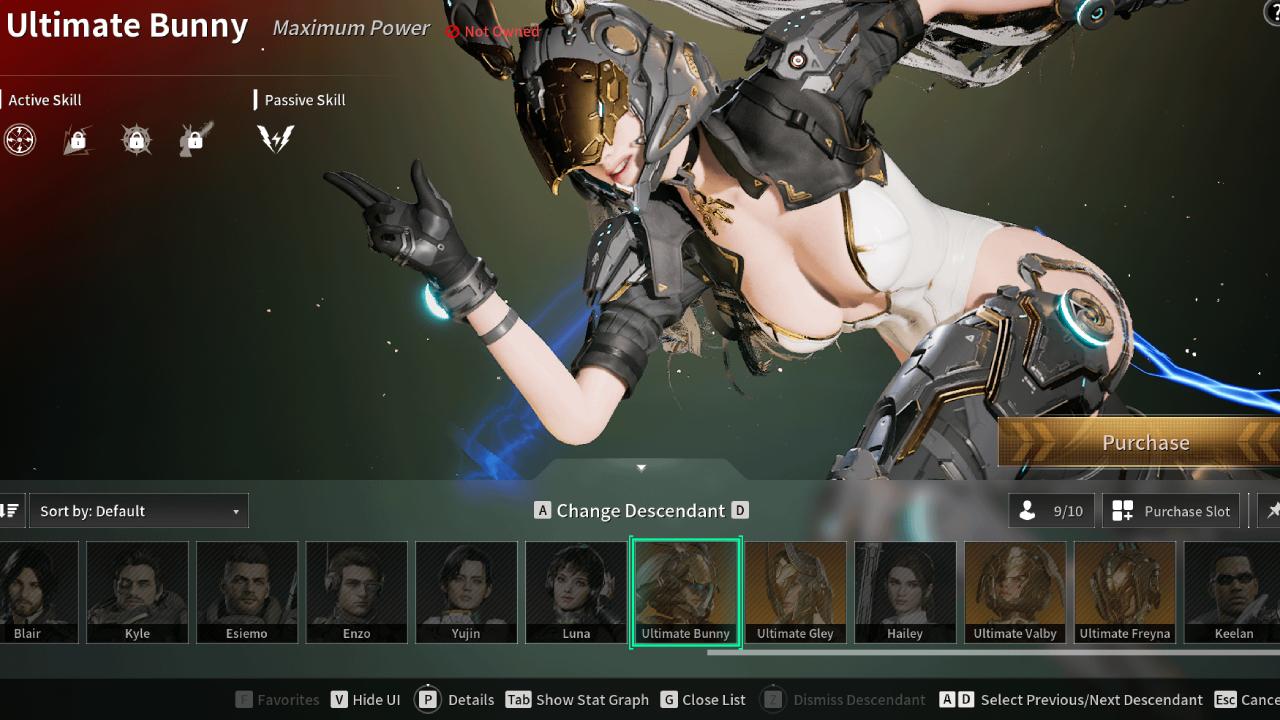
When in-game transactions entered the scene, players were making more purchases than ever before. Smaller, more frequent payments for things like cosmetic goods, expansions, convenience features, and loot boxes become the norm for gamers.
Games survived because of these transactions, which allowed players to spend money constantly. Special events and in-game promotions could make it easier for gamers to engage with the content.
More and more customers see microtransactions as a convenient tool to enhance or customize an experience rather than as a ruse to increase purchases. Finally, in-game economics have been restricted by game developers and authorities, allowing players to buy these features if they choose.
Impact of Easy Payments on Online Entertainment
The growing availability of payment options for games reflects the trend toward standardization in the digital entertainment industry. The buying technique must be simple, safe, and adaptive, independent of the goods being bought. Instant access and translated payment options need to be regular features of any site.
Spotify and Netflix are ideal examples of this; they both enable frictionless recurring payments, while Gigadat casinos, for example, customize their products for various countries. If there are hitches in the process, consumers won't hesitate to look elsewhere.
Future Trends in Video Game Payments
Buying a game is now a breeze, thanks to the low barrier to entry. We can buy a new game in a flash using our stored payment details, e-wallets, and regional banking alternatives. Some examples of new technologies that aim to simplify and make processes more flexible include unified payment systems and digital currencies.
Although it doesn't seem like payments could become any more innovative, it's possible that AI-driven, personalized offers or even flexible micro-subscriptions could make purchasing easier, turning it into something almost invisible.
Moderator, NoobFeed
Latest Articles
No Data.