
Are Casino Games Becoming More Like Video Games?
Other by Arisu Taiaya on Jul 29, 2026
Casino games and video games have spent years nicking ideas from each other. One side borrowed progress bars and live events; the other brought in loot boxes and paid chance. The result is a familiar-looking experience with a very different set of stakes.
You open a casino lobby and, for half a second, your brain files it under ‘mobile game’. Big character art fills the screen, new releases get pushed to the front and daily rewards flash near the top. There are enough progress bars to make a battle pass nervous. Then real money enters the picture, and the comparison stops being cute.
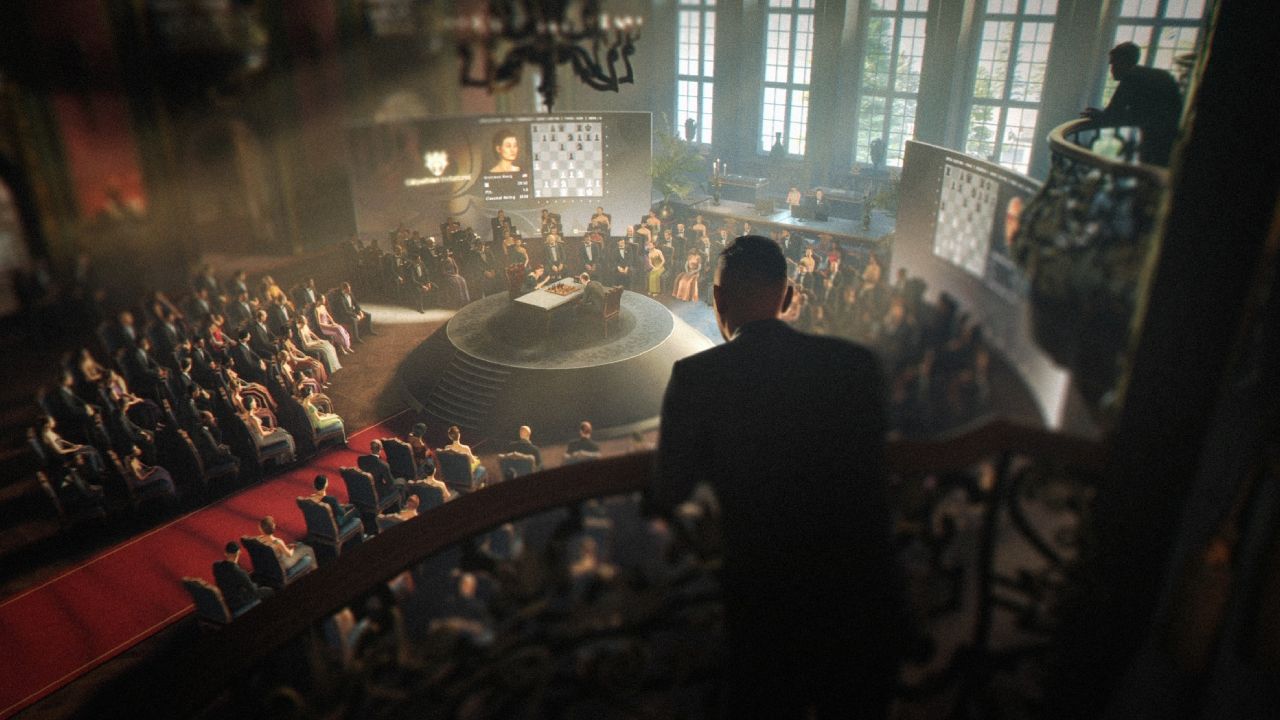
The overlap goes further than the menu. Casino lobbies now keep your games and rewards tied to one account, which makes it easy to come back after a session ends, just like a video game. Games, on the other hand, have borrowed in the other direction, using random rewards and paid chance systems. They are still different products, but they now use several of the same tricks to hold your attention.
The Casino Lobby Now Looks Like a Game Library
A casino floor gives you rows of machines; an online lobby can hold thousands, so choosing what to play becomes part of the experience. New releases get the best screen space, popular titles appear in their own rows, and familiar studio names help players decide where to start.
Anyone who uses Steam, Game Pass or the PlayStation Store knows how it goes. Every title gets its own artwork and a short description, then the menu keeps nudging you toward whatever has just arrived. Figuring out where to go can be a tough choice.
Fortunately, Casiny AU has a solution to decision fatigue. It brings together more than 3,000 pokies, live casino games and mobile-browser play in one account. Individual titles also carry information such as RTP and stated maximum-win figures. The lobby now works like a digital game store, with enough choice to keep players scrolling before they even place a wager, but with enough clarity to give direction.
Mobile Games Taught Every Screen to Fight for Attention
Mobile games have very little time to win a player over. A bad first session can end with an uninstall before dinner, so developers keep adding reasons to return. Daily rewards appear when the app opens, new content rotates into view and old games keep getting fresh events.
Adjust’s Mobile App Trends: 2026 Edition, using 2025 performance data, found that casual-game installs rose 19% year on year. Average casual-game session length increased 15% to 25.92 minutes, while strategy-game sessions climbed 57%.
Casino products compete for the same phone screen as games, so the same logic follows them into the lobby. Weekly rewards and changing promotions keep the account active even when the basic games stay the same.
|
Video-Game Convention |
Casino Equivalent |
What It Does |
|
Digital game library |
Large pokies lobby |
Encourages browsing |
|
Daily login reward |
Recurring promotion |
Gives players a reason to return |
|
Player profile |
Casino account |
Keeps activity in one place |
|
Seasonal event |
Rotating campaign |
Freshens up familiar content |
|
Progression track |
Loyalty journey |
Carries rewards between sessions |
The game itself may be unchanged, but the experience around it keeps things dynamic and interesting.
The Reward Loop Runs Both Ways
Dr Mark Griffiths, Professor of Behavioral Addiction at Nottingham Trent University, wrote in 2016 that “playing a videogame or a slot machine results in intermittent and unpredictable rewards.”
That sentence gets to the heart of the comparison. A guaranteed reward tells you what comes next, and a random one leaves the result hanging for another second. Both have their appeal, and both industries know exactly how to use either to their benefit.
Video games now use the same principle through loot boxes, random drops and chance-based upgrades. Casino products have borrowed from games in return, adding visible progress and staged rewards around the gambling itself.
Casiny AU spreads its welcome package across three deposits rather than presenting one opening offer and leaving it there. Each stage adds bonus credit and wager-free spins, which gives the opening account journey a structure gamers already know from unlock tracks and mission chains.
The products still work differently: A battle pass tells you what you will receive once you reach a certain level while a pokie outcome by definition remains random. The presentation may look the same, but the player is dealing with a different set of rules.
Account-Based Ecosystems Changed What It Means to Play
Buying a game once meant putting a cartridge or disc on a shelf. Digital gaming replaced the physical object with an account and access controlled by the platform owner.
NoobFeed’s article on PlayStation’s battle over the right to own games looks at the downside of that setup, where convenience comes with less control over permanent access.
Casino products also rely on account-based ecosystems, though ownership is not the issue. One login holds payment details and rewards, then gives the player access to a large game library. A round may last a few minutes, but the account remains in place when the session ends.
The loyalty programme on Casiny AU adds cashback, free spins and changing benefits to the account rather than tying everything to one pokie. A player can leave one game and open another without losing the rewards attached to the wider account.
That is one of the clearest ways casino products now resemble modern video games. The individual title may change, but the same profile carries on in the background.

The Technology Behind the Screen is Converging Too
Live dealer games may look like a straightforward video stream, but the service has to deal with live interaction and account updates without leaving the player staring at a loading symbol.
Pavel Despot, Akamai’s Senior Product Marketing Manager for Cloud Computing Services, explained in 2023 that player matching and live video rely on low-latency microservices placed close enough to players to keep the experience responsive.
Casino products rely on the same sort of engineering. Live tables need stable video, account balances need to update properly and browser play has to work across different phones without forcing everyone to install an app.
The live casino and mobile-browser access on Casiny AU depend on that hidden layer. The player sees the table and the dealer, while the service handles everything else behind the screen.
The Systems Players Hardly Ever See
- Video delivery for live tables
- Account syncing between devices
- Payment processing
- Security checks before withdrawals
- Content delivery across the game library
The interface gets the attention, but the backend keeps the whole thing running.
The Games are Borrowing from Each Other
Casino games are becoming more like video games in the way they are presented and organized. Large libraries encourage browsing, account rewards carry across sessions and mobile play keeps everything within easy reach.
Video games have borrowed in return, bringing paid random rewards into products built around skill and progression.
The main difference survives underneath all that borrowing. Video games usually reward practice or exploration, while casino games remain built around chance. Progress bars and live events can make the experience familiar to gamers, but they do not change what happens once the wager begins.
Gambling is intended for adults and should be treated as entertainment rather than a way to earn money. Set personal limits and never wager more than you can afford to lose.
Moderator, NoobFeed
Latest Articles
No Data.