
Console Gaming vs. PC Gaming: Performance, Graphics, and Real Differences
Modern consoles deliver impressive graphics and performance, but high-end PCs still unlock higher frame rates and visual fidelity.
Hardware by Tanvir Kabbo on Mar 07, 2026
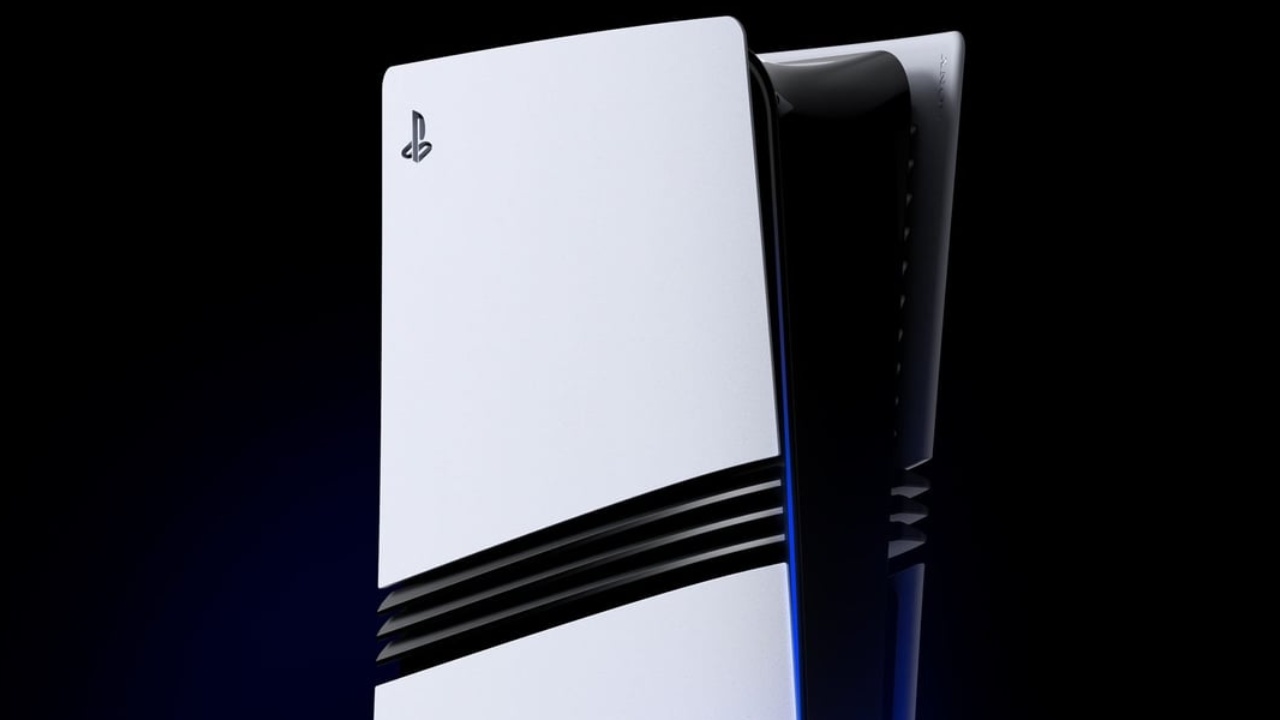
As hardware continues to improve, the argument between console gaming and high-end PC gaming has become more popular. The PlayStation 5 Pro and Xbox Series X are two examples of modern consoles that already have great graphics and seamless performance.
This makes many gamers wonder if spending a lot of money on a gaming PC is really worth it. In many cases, the difference between console graphics and maximum PC settings can be significant, especially in demanding titles like Cyberpunk 2077. However, determining how many games truly benefit from ultra PC settings versus those that look “close enough” on consoles is not always straightforward.
Personal Sensitivity to Graphics and Performance
This is an interesting topic because there is a huge variation in how much graphical fidelity and fluidity affect the gaming experience for different people. For some players, the difference is immediately noticeable, while others may barely perceive it. For those who are sensitive to visual details and performance smoothness, PC gaming can be especially appealing because it offers higher fidelity and more flexibility.
Display technology also plays a critical role. For years, many PC setups relied on LCD monitors because that was the most practical option available. Eventually upgrading both the PC hardware and the display—particularly moving to a high-quality OLED monitor—can completely transform the experience. Once a system is paired with a display of that caliber, the visual quality becomes extremely immersive and allows the hardware to truly shine.
Another major advantage is flexibility. Players can change settings on a PC to fit their own needs. The platform lets you push games past 120 frames per second or try out higher graphics settings if you want to. The way you enter information is also important. A lot of gamers like using a mouse and keyboard, especially when playing on a big screen.
It's also crucial to think about whether changing settings and trying out different setups is something you love doing. Some players like to tweak their performance, while others like things to be simpler. If someone doesn't notice the variations in graphics or consoles between generations, switching to PC can just make them angry instead of excited.
The changing PC landscape and the costs of hardware
Cost is another thing that can't be overlooked. In the last several years, PC gaming has been more expensive. You can still get into the ecosystem with entry-level parts, but to create a very powerful machine, you usually have to spend a lot of money.
Hardware Costs and the Changing PC Landscape
Cost is another factor that cannot be ignored. PC gaming has become more expensive in recent years. While it is still possible to enter the ecosystem with entry-level components, building a truly powerful machine often requires a significant investment.
Years ago, there was a period where PC gaming consistently delivered much better performance than consoles. During the era of slower console hardware, many players simply expected PC versions of games to look and run dramatically better. Today the situation is more complex. Modern consoles already deliver impressive graphics, and high-end PC components—especially GPUs—have become expensive and sometimes difficult to obtain.
Because of this shift, deciding to build a powerful gaming PC now requires careful consideration of whether the improvements actually justify the additional cost.
Game-Specific Differences Between Console and PC
Another key point is that the visual and performance improvements from PC gaming vary significantly depending on the specific game being played.
Some titles look excellent on both platforms. In cases like Dragon Age: The Veilguard, the console versions already deliver strong visual quality and stable performance. In those situations, spending extra money for the PC version may not dramatically change the experience.
However, there are also games where the PC version offers a far superior experience. Titles such as Indiana Jones and the Great Circle and Alan Wake 2 can showcase far more advanced rendering techniques and higher visual fidelity on powerful PCs.
Your own interest in certain games is also important. Some gamers could be excited about games like Doom: The Dark Ages and want to play them at the highest settings with the highest frame rates. People who don't care much about visually demanding games like Black Myth: Wukong might not be affected much by the benefits of PC hardware.
Ultimately, the value of PC gaming improvements depends heavily on the games you play most frequently and whether those titles benefit significantly from higher graphical settings.
.jpg)
Convenience Versus Customization
Consoles still offer a major advantage in terms of simplicity. They provide an experience that is close to plug-and-play. After installing the game and beginning to play, you seldom ever have to bother about driver updates, system settings, or performance optimization.
In contrast, PC gaming frequently entails managing software tools, modifying graphics settings, and occasionally resolving problems. While some gamers appreciate the simplicity of consoles, others relish this degree of control.
There are also situations where PC performance is not automatically superior. Some games may suffer from technical issues such as shader compilation stutter or inconsistent optimization. In those cases, the console version can actually provide a more stable experience.
On the other hand, when a PC game runs well, the advantages become clear. Higher frame rates, advanced graphics settings, and features such as frame generation can significantly enhance performance and visual quality. Achieving smooth gameplay on a 120hz display or beyond is far more common on PC than on consoles.
The Challenge of Showing PC Advantages in Video
Another interesting challenge is communicating these differences visually. The high-end PC experience is often difficult to demonstrate through compressed video formats. Video platforms typically limit playback to around 4K60fps, which makes it difficult to convey the benefits of extremely high refresh rates or ultra-smooth motion.
Many of the advantages of PC gaming—such as responsiveness, ultra-high frame rates, and smoother motion—are best appreciated in person. Watching gameplay footage rarely captures the full effect.
Experiences above 144hz, 240hz, or even higher refresh rates can feel dramatically different from standard console gameplay. Once someone experiences those performance levels directly, the difference becomes much more noticeable.
Also, check our other hardware articles:
- AMD Ryzen 9 9950X3D Review: Setting The Standard For 2025 Gaming CPU
- Amazon Luna 2025 Review: Is Prime Gaming's Cloud Service Your Go-To For Casual Fun?
- AMD RX 9070 XT Review: AMD's RDNA 4 Champion for 1440p Gaming
- GeForce Now Ultimate: Ditching Your Gaming PC For Cloud RTX 4080 Power?
- NVIDIA GeForce RTX 5080 Review (2025): Still A 4K Gaming Powerhouse?
- Intel Core Ultra 9 285K Review And Performance Breakdown (2025)
- AMD Ryzen 7 9800X3D Review: 3D V-Cache Goes God Mode with Stunning Gaming Performance
- Intel Core Ultra 9 285K vs AMD Ryzen 7 9800X3D: In-Depth Gaming Performance and Benchmark Comparison
- NVIDIA GeForce RTX 5080 Super Performance In Cyberpunk 2077: Path Tracing & DLSS 4.0 Tested
- AMD Radeon RX 9070 XT In Cyberpunk 2077: Ray Tracing & FSR 4.0 Tested
- Intel Arc B580 Review: The $250 GPU Revolutionizing 1440p Gaming
- Intel Arc B570 Vs. B580: Value, Specs, And Real-World Gaming Performance
- RTX 5090 Laptop Vs. M4 Max MacBook Pro: Ultimate Raw Performance Vs. Battery Endurance
- Intel Arc b580 Vs. RTX 4060: Game Performance And Value Analysis
- RTX5090 Hell Is Us Demo 4K Ultra Benchmark: DLSS Vs. Native Performance Guide
- NVIDIA RTX 5070 Review: Mid-Range Muscle or Marketing Hype?
- Nintendo Switch 2 Review: Handheld Performance, Features & Value Breakdown
- RTX 5070 Ti Review: Performance, Thermals & Power Efficiency Tested
- Samsung Odyssey OLED G81SF Review 2025: Ultimate 32-Inch QD-OLED Gaming Monitor
- AMD RX 9070 Performance Review: Thermals, Clocks, and Real-World FPS
- AMD Ryzen 5 7600 Review: Best Budget Gaming CPU of 2025?
- AMD Radeon RX 7800 XT Review: RDNA 3 Power For Midrange Gaming
- Asus ROG RTX 5090 Astral OC Vs. Founders Edition: The 4K Gaming Benchmark
Senior Editor, NoobFeed
Latest Articles
No Data.