
DDR5 RAM Price Drop Explained With Market Trends and Future Outlook
Falling RAM costs reflect reduced purchasing activity and shifting expectations around sustained growth in memory demand.
Hardware by Shinji Okazaki on Apr 07, 2026
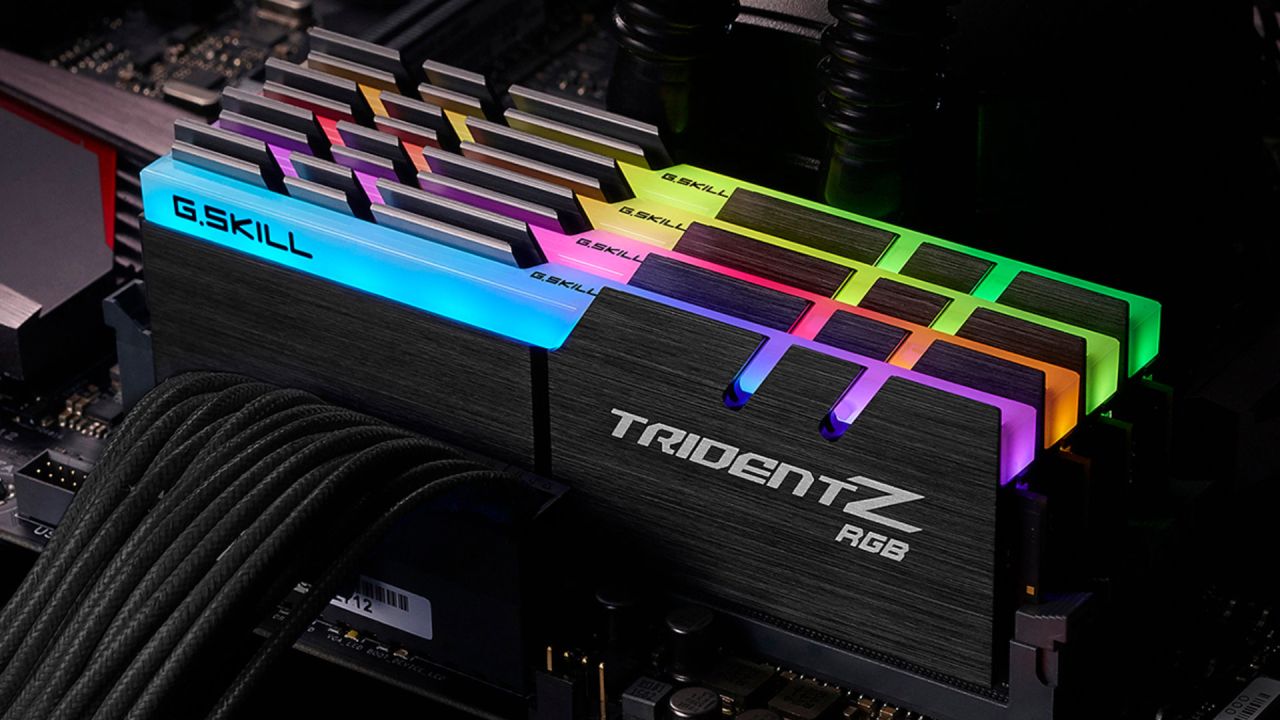
Reports say DDR5 prices are declining due to market changes. The timing fits with things like Google's Turbo Quant, but the pattern seems to have started earlier, around the middle to end of last year, when the price bubble started to pop.
The latest changes didn't cause the crisis, but they did bring up concerns that were already there. This made memory makers wonder if demand would keep growing forever.
Triggers that Caused the Decline Together
There doesn't seem to be a single factor driving the price. It happens at the same time as several other things, such as comments from industry leaders and fewer big acquisitions than were expected.
Reports say that RAM costs fell by more than 30% in China, and there are early indicators that this is happening in the US as well. The market hasn't returned to its original baseline levels, but the change shows that demand has shifted.
Demand from Consumers and how the Market Works
There are hints that shoppers are delaying purchases. RAM is still a commodity with more competition, unlike GPUs, which work in a near-monopoly framework where prices are set by the biggest players and followed by competitors.
Even though there have been past cases of price-fixing, businesses still run large-scale fabrication facilities that need to keep producing. Prices change when demand goes down.
The Price of RAM Fluctuates in Cycles
In rounds, the price of RAM has changed over time. When demand goes down, we might see another phase of going down. The most recent rise was stronger and happened at a time that made it more noticeable, but the trend as a whole has not changed.
Right now, prices are going down in a lot of places, which shows that this isn't just a one-time change in shopping but part of a bigger trend around the world.
Ongoing Problems and the Effect of AI
Even if prices have gone down, supply problems are not completely fixed. Prices are still being affected by higher investment in data centers. AI infrastructure is still growing, but there are signs that financial supervision is strengthening. Decision-makers are considering whether to continue investing heavily in memory.
How Data Center Hardware Will Affect the Future
People think that existing large-scale data center deployments will someday become obsolete. When that happens, extra hardware like GPUs and memory will be sold on secondary markets. We should expect to see more repurposed parts available for personal and small-scale applications. This could mean that home labs will have to change and be able to get better hardware.
Change in Hardware Access
Older developments made business-grade hardware more accessible to regular people. That pattern has weakened, but shutting down big AI-focused data centers in the future could bring it back. Changes, including the adoption of specialized hardware formats for consumer systems, may become more common.
Comparisons Across Industries
The situation is similar to what happens in other digital fields: early entrepreneurs attract many users with outside funding, only to face competition from bigger, more established organizations. It is also unclear how long high-cost AI-focused business models will last, especially when contrasted to organizations with a variety of ways to make money.
Final Thoughts
Different signals are coming from different parts of the industry. Some companies don't change much because their income sources are steady. Still, others that are directly linked to AI speculation do.
The distinction is that some businesses depend on established sources of income. In contrast, others rely on new technologies that haven't yet been proven profitable in the long term.
In general, the DDR5 price pattern is in line with past cycles. We are entering a period in which prices are being affected by lower demand and greater scrutiny of expenditure. This might have long-term consequences on both the business and consumer hardware industries.
Also, check our other hardware articles:
- AMD Ryzen 9 9950X3D Review: Setting The Standard For 2025 Gaming CPU
- Amazon Luna 2025 Review: Is Prime Gaming's Cloud Service Your Go-To For Casual Fun?
- AMD RX 9070 XT Review: AMD's RDNA 4 Champion for 1440p Gaming
- GeForce Now Ultimate: Ditching Your Gaming PC For Cloud RTX 4080 Power?
- NVIDIA GeForce RTX 5080 Review (2025): Still A 4K Gaming Powerhouse?
- Intel Core Ultra 9 285K Review And Performance Breakdown (2025)
- AMD Ryzen 7 9800X3D Review: 3D V-Cache Goes God Mode with Stunning Gaming Performance
- Intel Core Ultra 9 285K vs AMD Ryzen 7 9800X3D: In-Depth Gaming Performance and Benchmark Comparison
- NVIDIA GeForce RTX 5080 Super Performance In Cyberpunk 2077: Path Tracing & DLSS 4.0 Tested
- AMD Radeon RX 9070 XT In Cyberpunk 2077: Ray Tracing & FSR 4.0 Tested
- Intel Arc B580 Review: The $250 GPU Revolutionizing 1440p Gaming
- Intel Arc B570 Vs. B580: Value, Specs, And Real-World Gaming Performance
- RTX 5090 Laptop Vs. M4 Max MacBook Pro: Ultimate Raw Performance Vs. Battery Endurance
- Intel Arc b580 Vs. RTX 4060: Game Performance And Value Analysis
- RTX5090 Hell Is Us Demo 4K Ultra Benchmark: DLSS Vs. Native Performance Guide
- NVIDIA RTX 5070 Review: Mid-Range Muscle or Marketing Hype?
- Nintendo Switch 2 Review: Handheld Performance, Features & Value Breakdown
- RTX 5070 Ti Review: Performance, Thermals & Power Efficiency Tested
- Samsung Odyssey OLED G81SF Review 2025: Ultimate 32-Inch QD-OLED Gaming Monitor
- AMD RX 9070 Performance Review: Thermals, Clocks, and Real-World FPS
- AMD Ryzen 5 7600 Review: Best Budget Gaming CPU of 2025?
- AMD Radeon RX 7800 XT Review: RDNA 3 Power For Midrange Gaming
- Asus ROG RTX 5090 Astral OC Vs. Founders Edition: The 4K Gaming Benchmark
Editor, NoobFeed
Gaming Hardware Updates
No Data.