
Dead by Daylight Beginner's Guide | Playing the Killers
Here is a beginner's guide to playing the killer in Dead by Daylight.
Game Guide by Mash Rahman on Oct 16, 2025
To play Killer in Dead by Daylight is to be the world's most exhausted, indefatigable security guard—literally, sort of the concept. On the surface, the game is simple: four survivors try to repair generators and escape, and one killer stalks, injures, hooks, and ultimately sacrifices them. But beneath that lies a lot of depth.
Throughout this guide, I will help you get used to playing the Killer in Dead by Daylight.
Each second during a trial is a fight for time—survivors try to waste it, and killers try to get as much out of each second as possible. Having some idea of how it all works beforehand can help you choose a killer, make adjustments to your loadout and add-ons, and enter one of the game's creepy maps to begin the hunt.
You need to change your mindset on how you might play the killer.
The first thing you have to get your head around is mindset. As the killer, your goal isn't always necessarily to accrue kills; it's to apply pressure. Survivors win by wrapping you up; they prolong chases, loop you through pallets and windows, and finish generators while you're distracted.
You win by flipping that dynamic on its head, by making them take bad decisions, breaking generator progress, and being unpredictable. One of the lesser-known skills is simply plain player counting.
It lets you more easily keep a mental map of who you've met, who's hooked, who's hurt, and where they are so that you can completely turn the match around in your favor. Once you know who is where, you can decide on which chases to go after and which to abandon before you've wasted too much time.
Selecting the first killer is a significant decision. New players, Wraith is usually the way to go. His skill is straightforward: ring the bell to become stealthed and move faster, then uncloak to strike.
There is much nuance in that plainness. You're faster than survivors when stealthed, and when you uncloak, you get a speed boost that closes the distance immediately. Mastering timing to show at the perfect time, survivors jump or drop a pallet, which means you can body-block or surprise them. You'll get a feel for how his positioning and timing always put pressure.
Huntress is a solid choice if you like playing ranged. She has hatchets thrown, and leading your shots is the primary skill. Trapper is map control for players who enjoy laying traps—place your bear traps where survivors will naturally run through, like window corridors or pallet bottlenecks.
Avoid placing them underneath pallets, though, because a dropped pallet will cover or expose your trap. Hillbilly is a danger-and-speed character; his chainsaw sprint covers long distances and can roll up survivors, but his turning and timing are finicky to learn.
The Nurse, on the other hand, is the most mechanically challenging killer in the game but also one of its most solid— her blinks can't be blocked by obstacles, so she can teleport through walls and loops.
With all of that said, her slow base speed also makes you open up to poorly timed blinks, so make sure to have her rhythm down solid before putting her in real matches.
Perks, add-ons, and offers define your killer's personality.
Perks and add-ons define how you play your killer. Perks have one-of-a-kind effects — some reveal survivors' location, while others hinder recovery or make objectives harder to accomplish.
All killers start with a couple of perks, and you can level them up via the blood web to introduce new decisions and ultimately allow you to transfer perks between all killers.
New players playing Wraith have a decent loadout, featuring perks that help track, slow generators, and gain an advantage at the endgame. Add-ons alter the way your power functions — Wraith, for instance, has add-ons that affect how quickly he moves when cloaked or how soon he recovers after uncloaking.
Offerings, meanwhile, slightly adjust conditions before the match, like giving bonus bloodpoints or influencing which map you'll play on.
When a match starts, you'll spawn far from survivors. Take a couple of seconds to reorient, scan for generator auras, and run towards distant ones — survivors start working on those immediately. The initial pressure sets the tone of the match.
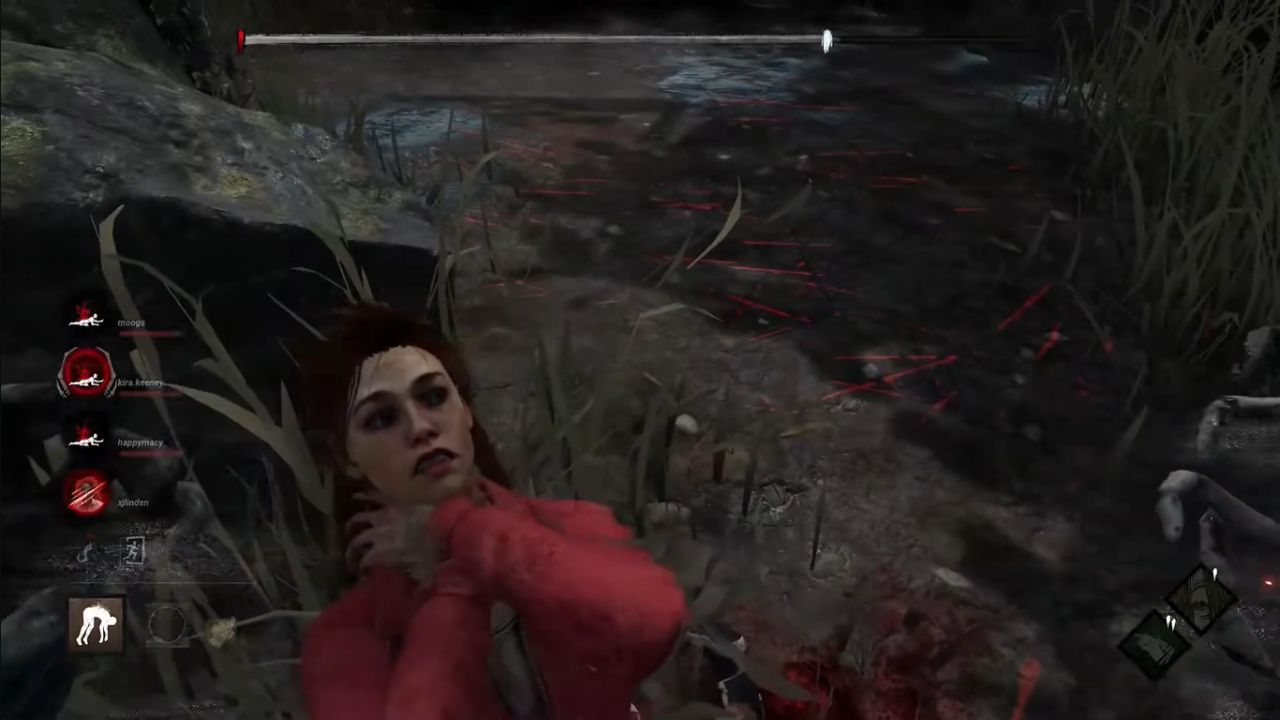
When you finally get someone, immediately decide whether the pursuit was worth it. The more time you spend chasing one person without killing them, the further behind others fall on generators. Good killers know when to give up on a chase and seek out another victim instead of running one survivor around the map.
Chases are where you learn the fundamentals of the game. You have two low-level attacks — a short attack and a lunge. The lunge provides you with additional range but makes you vulnerable during recovery. It's knowing when to employ one rather than the other that defines great killers.
Survivors employ "looping" to remain alive — they close circles in close proximity around pallets and windows so you'll become committed to a seeming trajectory. To defend against that, learn tile layouts, master body-blocking windows, and pallet-breaking effectively.
Maps are made up of repeated "tiles", so after playing a sufficient number of games, you will start to know how each building functions. This helps you predict where survivors will try to get out and cut them off before they can comprehend what is happening.
Survivor counting and knowledge of the map's rhythm help you keep control. If one person is hooked and two are within reach, you can assume where the fourth is through sound clues, crows, or generator progress. That information makes your movement purposeful.
Hooking survivors is your victory condition — the first hook makes pressure, the second makes a kill threat, and the third or full timer results in sacrifice. Understanding how to hook, patrol, or change hooks is the harmony of aggression and map control. At the later stages of the trial, totems and hex perks can work wonders.
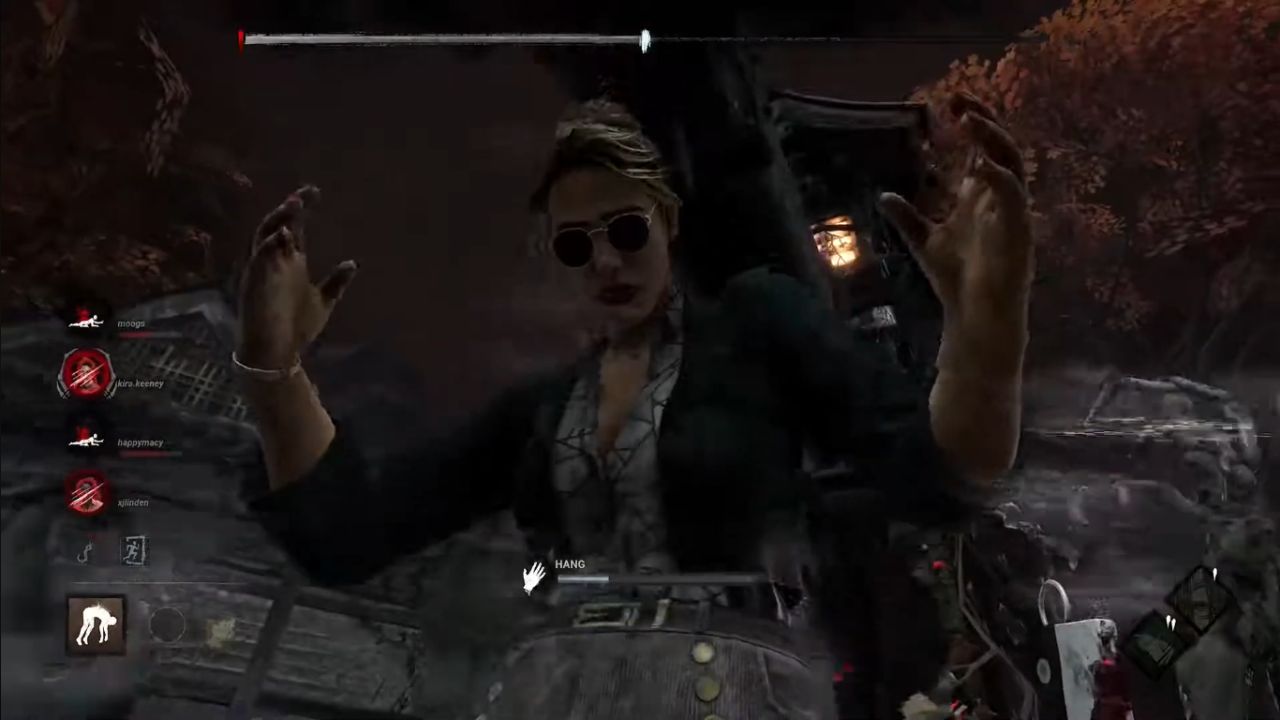
Totems can be cleansed to shut down your hexes, so it is up to your killer's style of play whether or not to protect them or focus on something else. When the last generator is complete, the endgame begins—the exit doors open up, and a hatch spawns if a single survivor is remaining.
These are usually decided by mind games, map knowledge, and clutch perks. Some perks only activate at this time, so you have one final chance to turn the game around.
Contributor, NoobFeed
Latest Articles
No Data.