
The Evolution of the Mini Game: How a Quick Burst of Fun Got More Engaging
Other by Druuna Lewis on Feb 24, 2026
We don’t buy or play a video game for its mini games. Let’s be honest, we’re there for the main story and action. On the other hand, there are certainly some mini games that we’d miss if they were gone. The best ones don’t overshadow the core gameplay, but they add an extra bit of fun in a standalone or loosely connected kind of way.
They’re different from side quests, although they can be part of them, as they have their own rules and formats. The game within a game concept has come a long way in the last 20 years. The evolution takes us from basic formats to immersive and highly detailed environments.
Examples of Mini Games
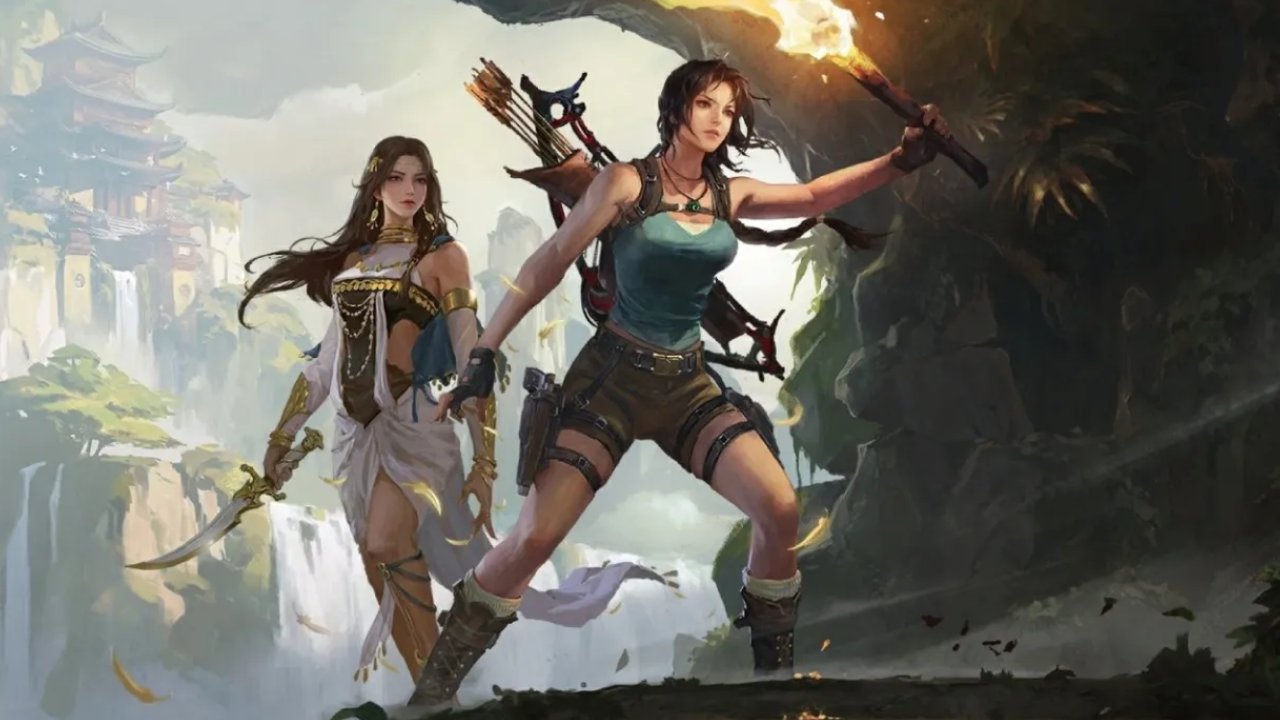
Developers often lean on familiar, real-world pastimes to flesh out their digital worlds. Rather than inventing entirely new concepts, they pull from hobbies we already know to create a sudden change of pace. This could be anything from the intricate fishing mechanics in Stardew Valley to the fully playable retro arcade cabinets tucked away in the Yakuza series.
Sometimes they go for classic tabletop or parlour games. You might stumble across a pub in a fantasy RPG offering a hand of cards, or find a roulette wheel in a sprawling metropolis that uses the same probability math you would expect to see on platforms like NetBet. The point is to give players a grounded, recognisable activity to sink some time into before getting back to the main quest.
Rockstar really mastered those kinds of extras, treating their side activities with as much care as the core mechanics. We're expecting big things from Grand Theft Auto VI, and that absolutely includes the mini games. We'll find out later this year whether GTA 6 brings back golf, introduces scuba diving, or expands its roster of playable arcade machines
Why Include Mini Games?
It is easy to assume developers are moving past this format in favour of seamless open worlds, but you only have to look at the custom servers in Minecraft to see that is not the case. If anything, they are more vital now than ever. Modern gameplay loops can be intense, often requiring hours of focus. We need a change of pace. Mini games act as a palate cleanser, allowing players to take a breather and engage with a different set of mechanics without leaving the experience entirely.
They serve a narrative purpose too; they are excellent world builders. Gwent in The Witcher 3: Wild Hunt is the prime example. It isn't just a card game thrown in for the sake of it. It immerses you in the culture of the Continent and adds depth to the NPCs. Beyond that, these games-within-a-game act as a vehicle for specific rewards, locking unique gear or currency behind a round of cards rather than a boss fight.
How It Started
We could stretch right back to the Atari days in the 70s to find the earliest mini games, but the format really found its feet in the 90s. When thinking of side content from that era, most players immediately picture the Gold Saucer in Final Fantasy VII. That entire digital theme park was a masterclass in distraction, letting you race Chocobos or ride a rollercoaster instead of worrying about saving the planet.
Other early examples were beautifully simple yet memorable. Namco actually held a patent for loading screen mini games for years, meaning you could blast away at Galaga while waiting for the first Tekken to boot up on the PlayStation. Then we have titles that brought in classic tabletop elements. Super Mario 64 DS introduced Luigi's Picture Poker, a cracking little addition that arguably kicked off the whole trend of sneaking casino-style mechanics into mainstream adventures.
How It’s Going
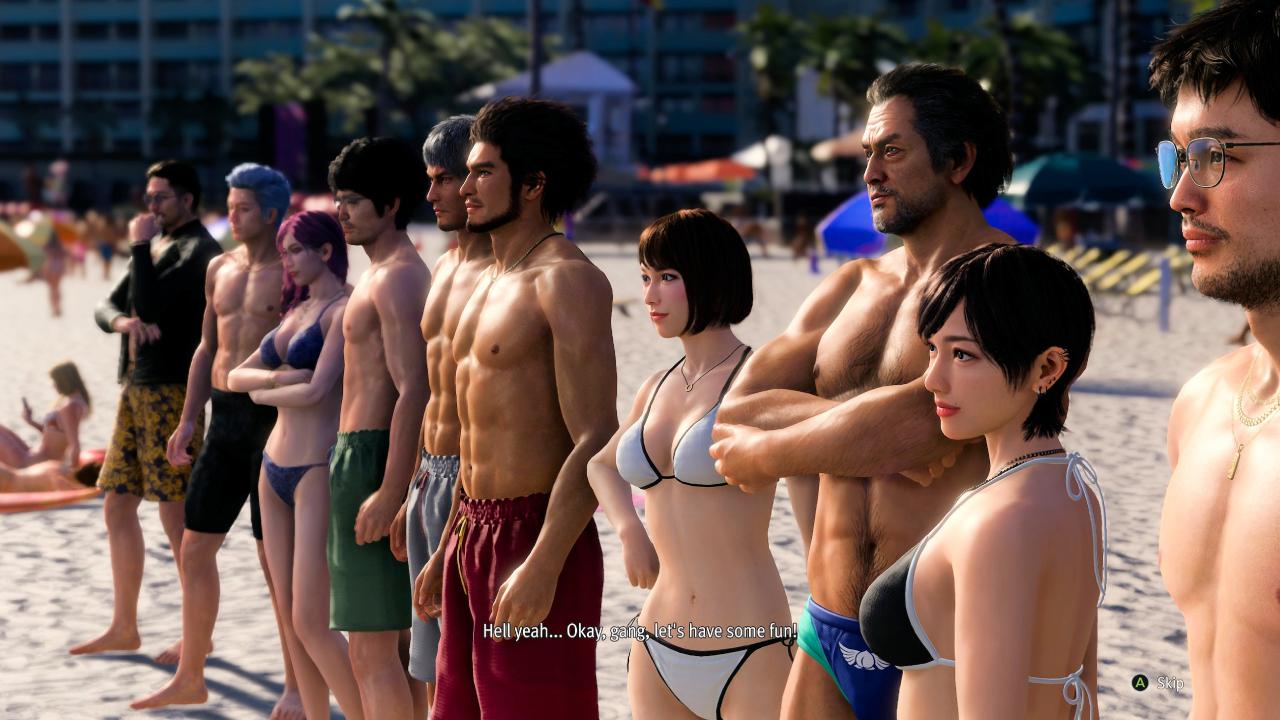
Today, the lines are blurring. Mini games have evolved from simple distractions into massive, complex simulations that could stand on their own two feet. A recent example that shows just how far we’ve come is Like A Dragon: Infinite Wealth. Alongside the usual karaoke bars and batting cages, you have Dondoko Island.
It isn’t just a quick diversion; it’s a full-blown homage to Animal Crossing. As Ichiban, you are clearing rubbish, crafting furniture, and managing a five-star resort. The level of detail is staggering. You aren't just playing for a high score anymore; you are sinking dozens of hours into an economy management sim that exists entirely within an RPG. It’s the perfect evolution of the format: taking a completely different genre and embedding it seamlessly into the main narrative.
What We Want More Of
The truth is, over the years, we’ve seen the highs and lows of mini games. That’s a lot of useful information about what works and what doesn’t. We want more slightly challenging recreational tasks that give us a break and can even include a bit of mischief. We also want games that get us rewards to use in our main adventure.
Let’s hope the mini games of the future leave behind confusing and over-complicated design. If it sounds stupid when you’re explaining it, game designers, then it probably won’t make sense to players either! Yes, Blitzball, we’re looking at you.
Moderator, NoobFeed
Latest Articles
No Data.