
GPU, RAM, and SSD Prices Continue Rising in 2026
GPU, RAM, and SSD prices remain elevated as high-capacity hardware demand continues increasing across the PC market.
Hardware by Naheyan Tahmin on May 09, 2026
The prices of PC hardware, including GPUs, RAM, and SSDs, remain volatile. Retail availability is still variable, and many parts remain significantly over MSR for both. The lower end of the product line is no longer declining in quality, while the higher-capacity, high-performance side is still rising in price.
Those purchasing to replace failed parts or to build systems are seeing fewer choices, particularly in the availability of higher-capacity VRAM GPUs, large DDR5 memory kits, and high-capacity SSDs.
Retail Pricing and Availability Keep Changing
Prices are listed for commonly available components found in retail stores listed in PC Part Picker. The comparison is made with the lowest price available for each component category, as well as the average of the 10 lowest prices from retailers. Sellers had to be included if they had a positive feedback rating in marketplace listings.
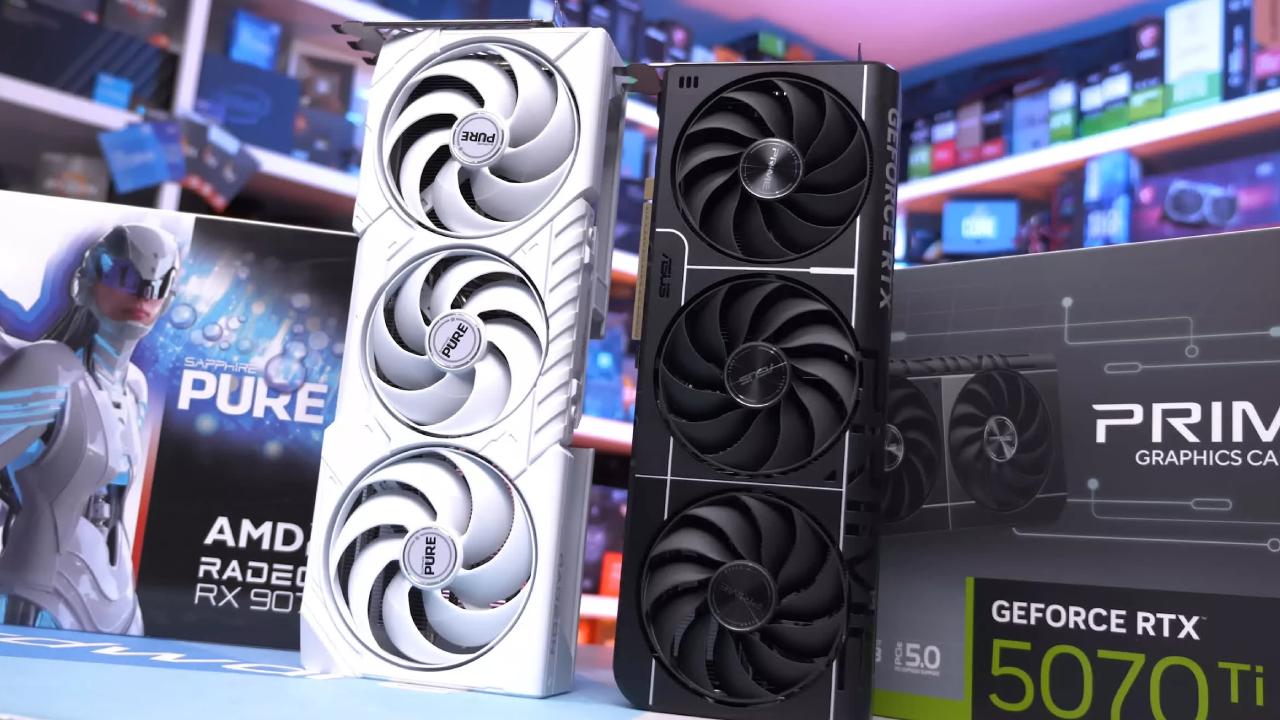
As seen in the latest price comparison, most GPUs remain over the MSRPs. The only model that differs is the Radeon 7900 XT. Most low-tier graphics cards have been pretty consistent, and GPUs with high VRAM usage are still significantly overpriced. RTX 5070 Ti, RTX 5080, and RTX 5090 are priced around 30 percent or more above MSRP, while lower VRAM versions are closer to 15 percent above MSRP.
NVIDIA GPU Prices Remain High
RTX 5050 is being sold at $250 MSRP, but is trending around $300. RTX 5050 has an MSRP of $250 and is currently trading around $300. The $200 price point was once low, but it's no longer. RTX 5060 8GB is still priced at $350, $50 above MSRP.
RTX 5060 Ti 8GB falls in the middle of Nvidia's RTX 50 pricing segment, priced at approximately $398-$400. Although it is more competitive on MSRP than other variants, it still does not offer the same level of performance for modern workloads due to its 8GB of VRAM.
RTX 5060 Ti 16GB is also now more expensive than usual. Marketplace sellers keep listing poorly rated and overpriced items. When availability was low, some models would go from approximately $545 to more than $635 in just one day.
RTX 5070 12GB was previously offered for under its $550 MSRP at the end of 2025 and is now priced around $630. Prices are up dramatically from last year's low of $480. Even though it previously hit a low price of $730, the RTX 5070 Ti will keep rallying to $1,000.
RTX 5080 is also a bit overpriced. While its initial MSRP was $1,000, it is now $1,290, which is still too expensive for many to afford. RTX 5090 exhibits the widest possible price range, with prices regularly hovering between $3,300 and $4,000 despite the $2,000 mark-up. Although available, prices are slowly increasing as retailers try to gauge demand.
Radeon GPUs Provide Some Pricing Respite
AMD's Radeon product line hasn't been particularly competitive on pricing. Radeon 7900 XT is one of the rare higher-VRAM GPUs that offer reasonable value, providing 20GB of VRAM at just about $680. Still, current pricing looks good thanks to its original $900 MSRP. Radeon RX 9060 XT 8GB is continuing to sell in the high $300s, up from a recent low of $250. The 16GB variant is nearing $450, as the demand for more VRAM increases.
However, the RX 9070 XT 16GB is one of the more viable Radeon alternatives, and its price hasn't dropped below $700 for much of 2026. The card dipped down to $600 at the end of 2025, but then bounced back and didn't come close to its $600 MSRP again. The price and availability of Intel Arc have not been good. The pricing and availability of Intel Arc continue to disappoint buyers.
Created in response to demand for more competition in the GPU market, Intel Arc GPUs started off with expectations that they would fare better, but the price and availability of these graphics cards have only gotten worse over time. Arc B580 is now around $289, down from $235. B570 has also rallied from previous lows of below $200 to around $260.
The Arc banners have also taken a hit from Intel's future plans for desktop GPUs. The lack of attention to desktop gaming GPUs and the increased attention to data center hardware have only added to the uncertainty about future availability.
Price of DDR5 Memory Keeps Rising
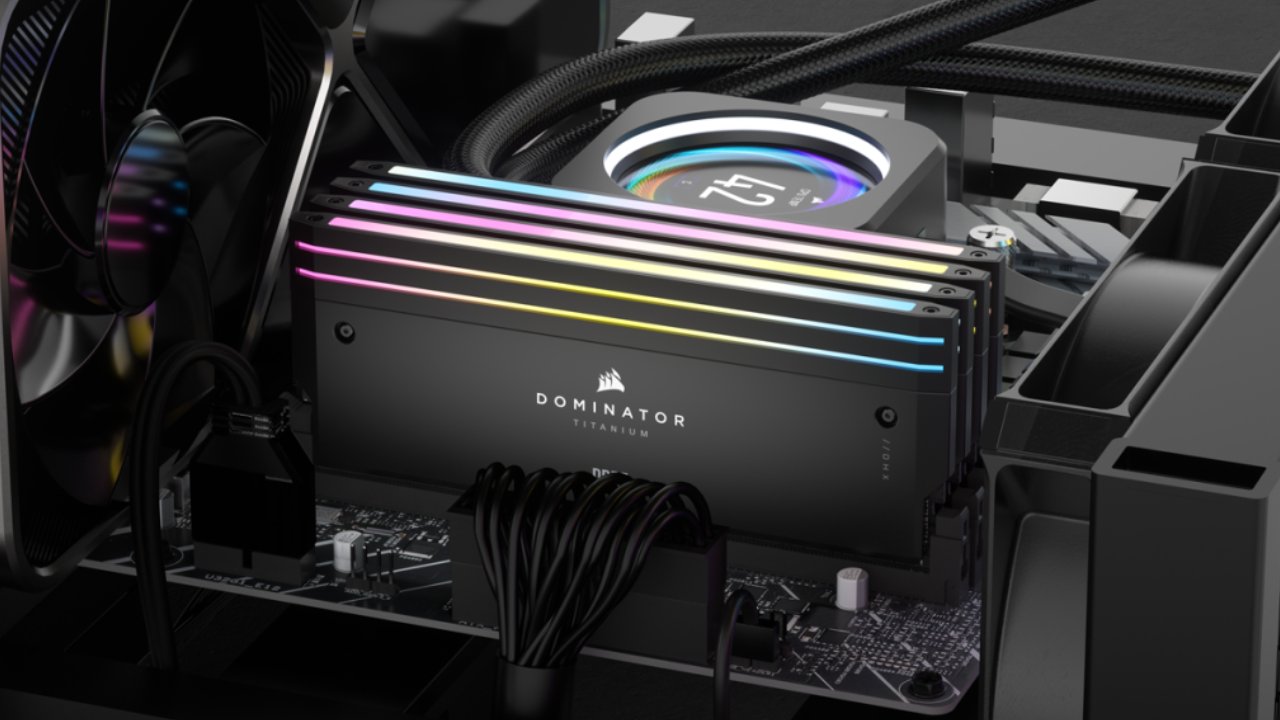
DDR5 Memory Prices are still on the rise, especially for the higher capacities. Standard data rate 32GB DDR5 kits with speeds in the 32GB DDR5-6000 range have seen a price jump from around $370 to $380.Now, Standard data rate 32GB DDR5 kits with speeds of around DDR5-6000 and CL32 timing have jumped from around $370 to $380.
A little less expensive are kits for slower speeds, but the difference isn't big. You can save some money by choosing slower timing settings if you don't need the fastest speed for games.
The highest-density DDR5 memory modules are still seeing the most growth. There are good 64GB kits that were once selling for almost $600 in March and are now on the verge of reaching $800 or more. Regularly, 64GB DDR5-6200 or DDR5-6400 kits cost over $900.
In areas such as workstation workloads or local AI tasks, capacity can sometimes be more important than speed or timings. If buyers are only interested in a 64GB version, some lower-end kits are available for around $670.
DDR4 Pricing Keeps the Most Level Road
Overall, it's the DIMM category that is least impacted. Compared to previous months, prices have dropped a bit, making DDR4 platforms among the more budget-friendly options for system builders.
The standard 32GB DDR4 kits go for approximately $197, while the more expensive ones offer better speeds and a better look. When it comes to lower-speed DDR4 kits, they offer only minimal savings, so it may be easier to justify using higher-speed kits.
Best Price/Availability Balance for Older AM4 Builds is DDR4
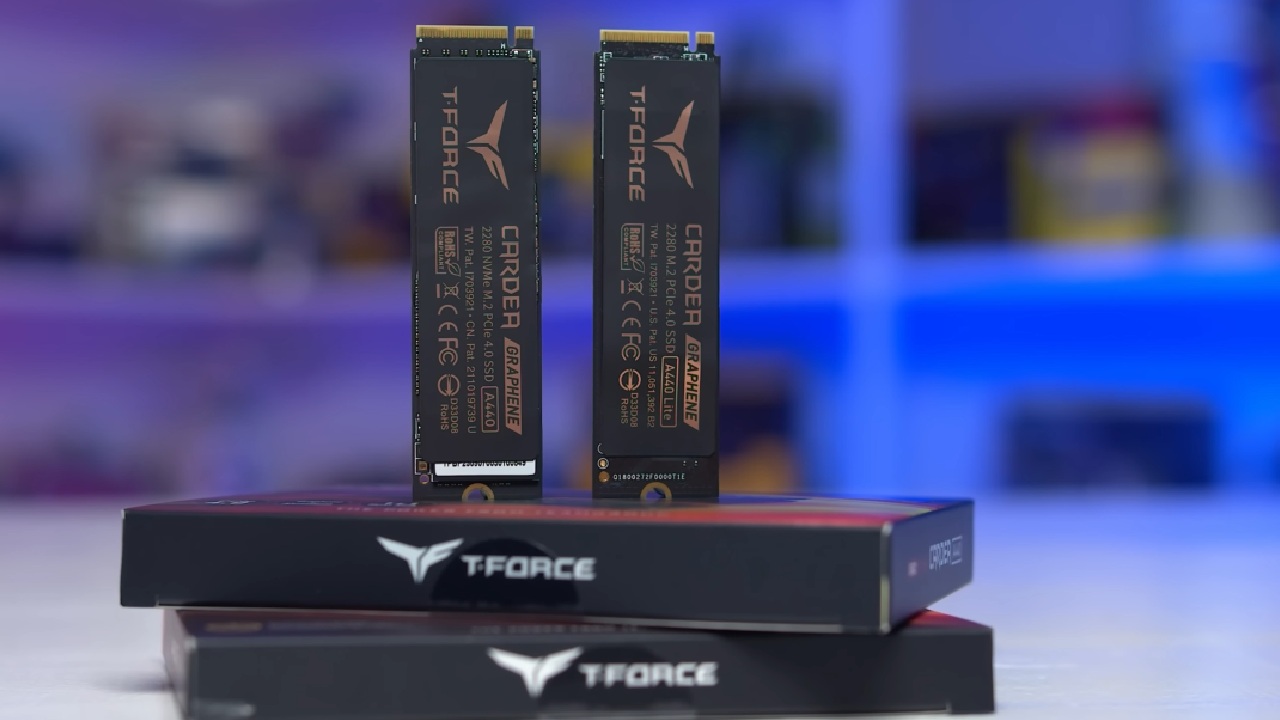
The demand for higher-capacity SSDs is driving prices up. As more people demand higher-capacity SSDs, prices are rising. It would seem that SSD prices are continuing to follow a trend similar to that of the rest of the GPUs and RAMs. The smaller drives have been fairly level, and the bigger sizes are even climbing in price.
The $120 price is the average of the entry-level (1TB) NVMe SSDs on the market today. Some lower-cost models still use PCIe Gen3 speeds, but they're perfectly adequate for basic use. 2TB drives are still in the ballpark at about $240 per gigabyte (GB), and there are quite a few choices available to buy. Promotional discounts or packaged offers are sometimes available on some models, but read and write speeds vary across brands.
The cost of high-capacity drives is still about $427, and prices continue to rise.
A large portion of these drives is intended for the workstation environment and other workloads that rely on data. PCIe Gen4 drives are still leading the higher-capacity market, with read speeds of up to 7100 MB/s and write speeds of approximately 6000 MB/s. Although revenues have improved, pricing remains challenging for the mass market.
The prices for GPUs, RAM, and SSDs are still set by the workstation, enterprise, and datacenter markets. Demand for AI workloads, professional applications, and large-scale storage deployments is driving higher costs for higher-capacity components, at least as they don't seem to be increasing in cost as quickly as lower-end hardware.
Those looking for GPUs with high VRAM, DDR5 memory with more than 32GB, or SSDs with more than 2TB still get the highest price hikes. Although there are some deals around, market conditions are challenging throughout 2026.
Editor, NoobFeed
Gaming Hardware Updates
No Data.