
RTX Spark vs. Traditional Laptops: What Makes Nvidia's AI Platform Different?
Nvidia positions RTX Spark as a Windows platform focused on local AI computing rather than conventional laptop performance.
Hardware by Shinji Okazaki on Jun 27, 2026
The focus of most of the discussion at Computex has been Nvidia's RTX Spark laptop platform, which was announced just days before the event in Taipei. Systems from major OEMs such as Microsoft, Dell, HP, Asus, MSI, and Lenovo have already been built on this new platform.
At face value, these machines are impressive. They offer locally managed AI-agentic processing, content-creation speed-ups, and Nvidia's so-called mid-range or higher-level gaming performance, which it claims is similar to that of a discrete GPU. The real story, though, isn't about the laptops themselves or their specs. It's about the economic implications of AI computing with RTX Spark.
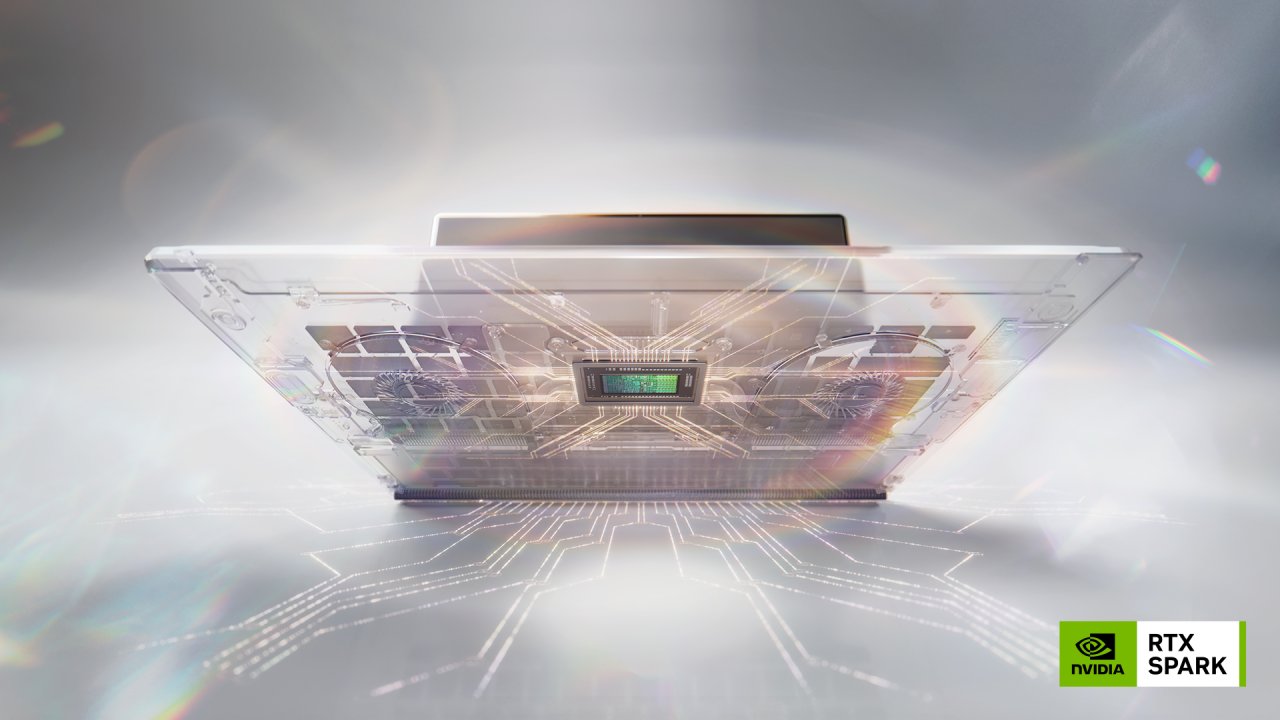
RTX Spark Introduces DGX Spark Concepts for Windows
RTX Spark is about as similar to Nvidia's DGX Spark desktop platform as a Windows version. DGX Spark is a small, $4K desktop offered by Nvidia and its partners. It provides engineers in the AI space with access to hardware architecture that is close to the data center level of capability, empowering them to develop and optimize large language models, or LLMs.
One of those capabilities is through its unified memory. The pooled memory is shared between the CPU and GPU and can store multi-billion-parameter models, approaching the memory limit. The same idea applies to RTX Spark laptops. It's just that DGX Spark runs Linux, whereas RTX Spark introduces the same concept to Windows.
Location is the key determinant in purchasing one, as local AI experts are the most crucial factor. There are good laptops for content creation and for gaming. The reason you wouldn't purchase an RTX Spark laptop for either of those things, or even both at once, is that they're not suited for either of them.
Another important aspect is privacy. Running AI locally means that while you're using it, the data stays on your device, so it doesn't continuously travel back and forth between your device and cloud servers. For those who develop, research, or work with sensitive information, it may be worth investing in dedicated hardware.
The Unified Memory Plays a Central Role
Similar to AI-focused x86-based processors like the AMD Strix Halo, NVIDIA says its RTX Spark laptops can support up to 120GB of unified memory. This is not included for casual workloads. The 64GB and 120GB of laptop memory are not used unless you need them for AI applications or professional content creation software that can use them.
One of the most distinctive features of RTX Spark is its memory capacity. One of the platform's most significant advantages is unified memory, which is required for large AI models to run. It's also one of the reasons these systems won't hit the mainstream at launch. The most challenging factor of pricing could be the biggest.
NVIDIA has not yet revealed a price for the RTX Spark laptops. There's also a lack of performance data, with commercial systems coming later this year. At least these machines will not be cheap, even if they aren't available at the official price. DGX Spark desktops are already priced around $4,000, excluding the display and keyboard. A 120GB configuration laptop is unlikely to cost a LOT less.
Memory pricing remains high, another hurdle for manufacturers aiming to build AI-first systems. For the time being, RTX Spark laptops will remain high-priced machines designed for professionals and developers, with a higher price point and less appeal to casual users, as memory costs will not be more affordable.
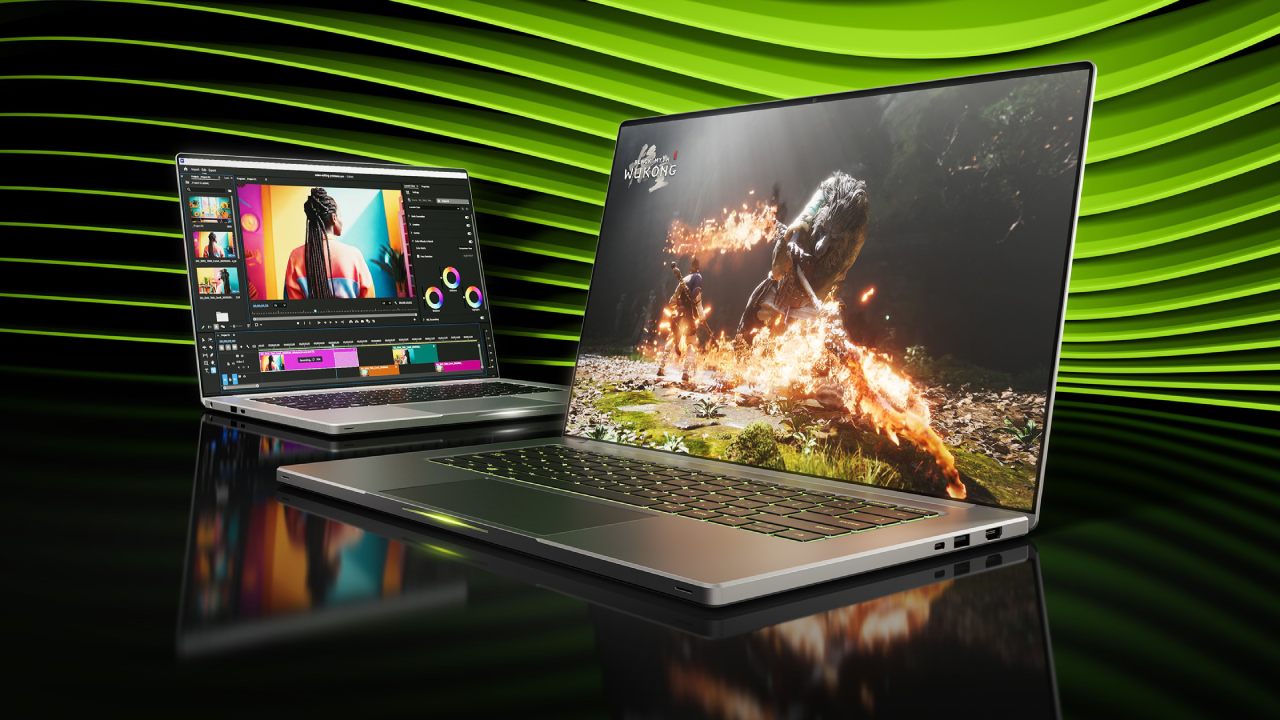
RTX Spark is A Different Kind of Laptop
While RTX Spark devices resemble conventional laptops, they are not the same as laptop gaming systems or content creation systems. There are economic concerns. A different target group is served. The longer-term value proposition is different.
It is possible that many people who will purchase laptops for AI in the coming years won't even realize they will need this type of hardware right now. Many unfamiliar terms, such as AI inference, model training, token costs, model sizes, and quantization, are not widely known outside the AI development community.
That poses an education problem. Consumers must understand the capabilities of local AI before investing in specialized hardware to realize value. NVIDIA could shape the market over time. While the first RTX Spark laptops will probably start at $3,000, they will be relatively few and far between for impulse buys. Hence, RTX Spark appears more like a long-term option than a quick get-rich scheme.
Microsoft's arrival in the Windows ARM laptop space, with Nvidia, has put the platform in the driver's seat, but for the market to really take off, it will take some time. NVIDIA has already established strong partnerships with software developers and the gaming industry, making it a potential player in promoting software support across various sectors.
The more developers can access local AI hardware on Windows, the more people will become aware of it.
New generations of artificial intelligence at a lower cost would make the platform more accessible in the future, possibly even with successors that cost less yet incorporate AI properties. Reducing memory expenses will also make AI-powered laptops more cost-effective. RTX Spark laptops may be capable of content creation. RTX Spark laptops can handle content creation while still delivering respectable gaming performance. It's nice to have, but it's not its main purpose.
The main objective is local AI computing. Gaming and creative workloads just leverage the same hardware that powers AI acceleration. Success for RTX Spark will come not from graphics performance, but from the perceived value of having the tools locally rather than in the cloud, for developers and practitioners, and ultimately for consumers.
So far, it looks like it's just the start of a gradual shift, not a complete overhaul of the laptop ecosystem. NVIDIA has everything it takes to make that transition over a few years, including financial strength, a software ecosystem,, and industry connections. As the market matures and the company invests in the platform, RTX Spark may eventually redefine the concept of a personal computer – although it is unlikely to be noticed at the time.
Editor, NoobFeed
Gaming Hardware Updates
No Data.