
Ryzen 7 7700X3D Deal Makes It Worth Buying
AMD's Ryzen 7 7700X3D price cut improves gaming value while Nvidia's RTX 50 Super plans face memory cost concerns.
Hardware by Nahe Yan on Aug 10, 2026
The hardware market has several developments worth watching, from AMD's Ryzen 7 7700X3D becoming more competitive after a price drop to reports of NVIDIA's RTX 50 Super cards being held back by memory costs. At the same time, RTX 50 series owners now have access to hotspot temperature readings that can reveal cooling issues hidden by the standard GPU temperature sensor.
AMD just turned a questionable CPU launch into a serious gaming deal with the Ryzen 7 7700X3D. At its official $329 launch price, this processor was difficult to recommend. It uses Gen 4, eight cores, 16 threads, 96MB of L3 cache, and the AM5 socket. But its 4.5GHz boost clock is lower than the older Ryzen 7 7800X3D.
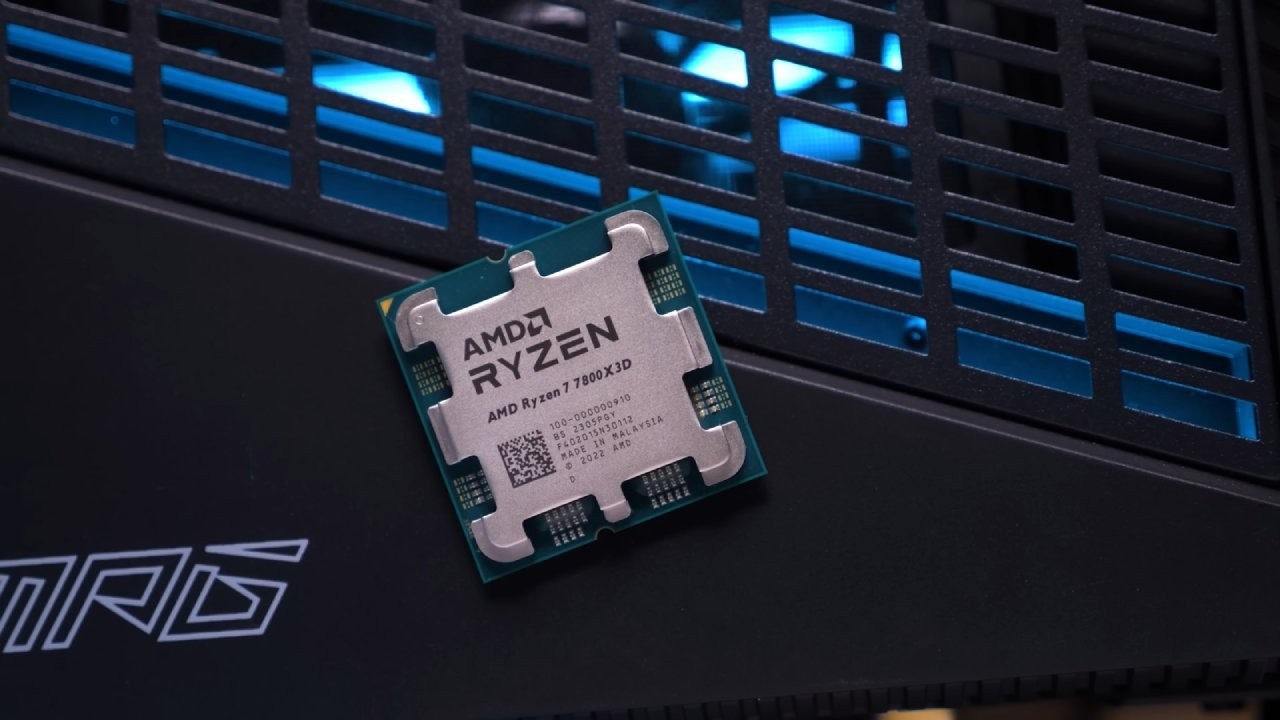
Ryzen 7 7700X3D Becomes a Better Gaming Deal
Independent testing places the 7700X3D within roughly 5% of the 7800X3D. That's great, but when the faster chip is selling near $349, paying $329 for the slower model makes little sense. A Newegg coupon dropped the 7700X3D to $279.99 after launch. Now, we are looking at about $70 in savings while giving up little gaming performance. It also drops into existing AM5 systems, supports DDR5 and PCIe 5, and has a 120W rating.
For a gamer building a value-focused AM5 PC or replacing a weaker non-X3D Ryzen chip, this price is much more attractive. The catch is productivity. Lower clocks make it less appealing for heavy rendering, encoding, and other CPU workloads. At $329, skip it. Near $280, it becomes a smart gaming buy, provided the discount is still active.
RTX 50 Super Cards Could Face GDDR7 Costs
Now, NVIDIA enters the picture. Reports claim RTX 50 Super hardware has reached at least one board partner, but NVIDIA has placed the cards on hold. The reason appears to be a new 3GB GDDR7 memory module. Why does that matter? The reported RTX 5070 Super would move from 12GB to 18GB of VRAM.
RTX 5070 Ti Super and RTX 5080 Super could move from 16GB to 24GB. That extra memory would help with high-resolution textures, creator workloads, and larger local AI models. But more VRAM does not automatically mean better value. The report says each 3GB module may cost 2 to 3 times as much as a current 2GB module. Multiply that across 6 or 8 chips, and NVIDIA faces an ugly choice.
The final story affects people who already bought an RTX 50 series graphics card. RTX 50 GPUs did not expose hotspot temperature through the normal public monitoring interface. The regular GPU temperature could look safe while the hottest section of the chip was far higher.
But this is where the story improves. HWMonitor and HWiNFO can access RTX 50 hotspot data. However, early software support had issues, and HWiNFO's developers have not fully confirmed which of two readings represents the GPU hotspot.
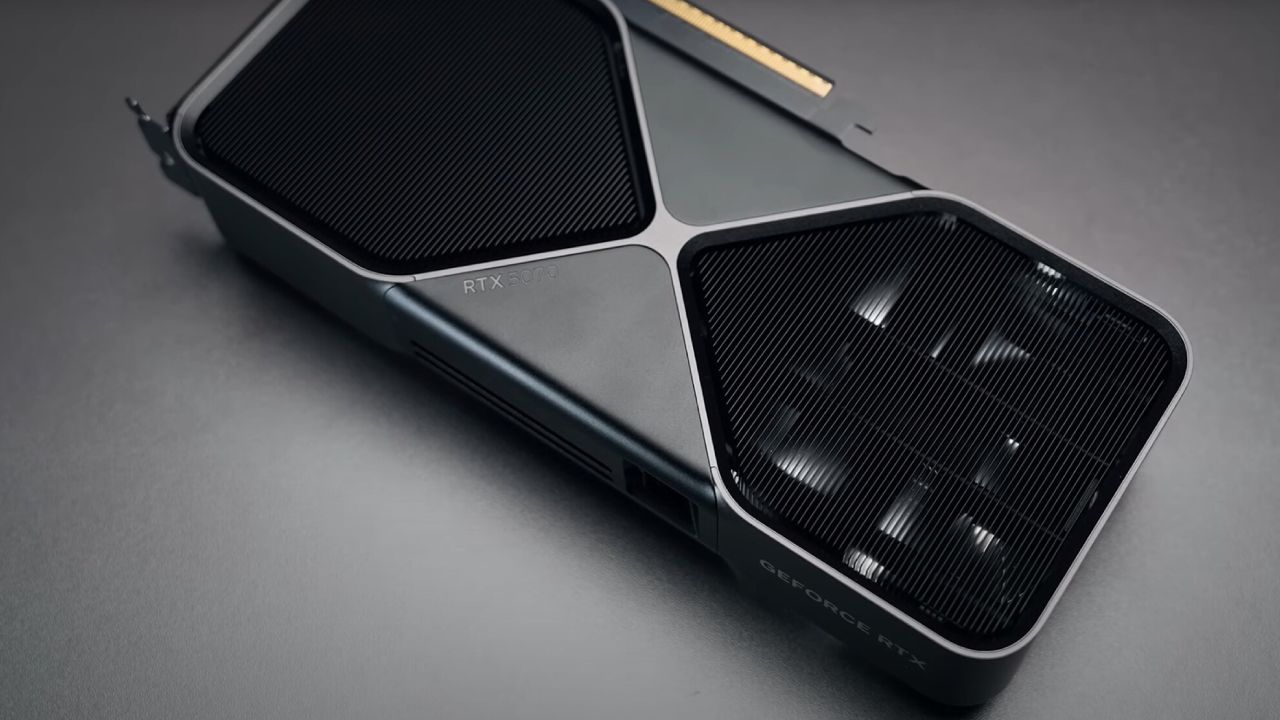
A hotspot will naturally be warmer than the average reading.
Here's the practical advice: use HWMonitor version 1.65.1 or newer because CPUID says that release fixes RTX 50 hotspot reporting. Run a demanding game or benchmark for 10 to 15 minutes. Watch the normal GPU temperature, hotspot temperature, fan speed, clock speed, and performance together.
Don't immediately open a new graphics card and replace the thermal paste because that can affect the warranty. Contact the manufacturer or retailer instead. Ryzen 7 7700X3D is compelling only when its price falls far enough below the 7800X3D.
NVIDIA's reported Super refresh could solve VRAM complaints, but expensive GDDR7 may create another pricing problem. Every RTX 50 owner now has a better way to catch cooling defects. Check your GPU hotspot, compare real prices before upgrading, and never buy hardware based on the model name alone.
Editor, NoobFeed
Gaming Hardware Updates
No Data.