
Why are In-Game Item Marketplaces Starting to Resemble Real Financial Markets?
Other by Druuna Lewis on Jul 23, 2026
Virtual items were once throwaway cosmetics — a way to customize a character without touching gameplay. That has changed dramatically. Skins, collectibles, and digital currencies inside popular titles now carry real monetary value, and players trade them with the same intensity once reserved for stocks or commodities.
This change raises the question, for anyone who keeps up with gaming culture, of whether these systems are just cleverly trying to make money or stealthily becoming financial markets. This means the answer matters, as it will affect how regulators respond and how developers plan economies.
Rise of Player-Driven In-Game Economies
It took some time for player-driven marketplaces to come into existence. As a result of the proliferation of third-party websites that enabled users to convert cosmetic items into cash, these websites evolved from trading systems into platforms for cash conversion. A digital sword skin or weapon wrap was suddenly more than just a decorative item; it was an asset with a price tag equivalent to its real-world value.
Modern economies are simply scaled-up and liquidated versions of previous in-game commerce. Price discovery algorithms are more like those in commodity marketplaces than in game stores, due to millions of daily transactions across linked platforms. The value is driven more by supply, demand, and scarcity than by average retailers. Their systems are more like well-established trading environments.
How Skin Trading Mirrors Stock Markets
The stock market is no longer a metaphor. Rare skins can skyrocket or plummet in value as the market changes, new players come into the game, and speculation runs wild like stocks. Traders keep a careful eye on these movements, occasionally using data techniques that were initially developed for financial analysis.
Adjacent industries built around real-money wagering, such as loot box providers, poker platforms, and websites with mixed offerings, including those covered by gamblinginsider.com, are all embracing trends from trading platforms. Fluctuating real-time deals, quick transactions, and limited offers are only a few of the features appearing on such platforms.
That focus on structure is more pertinent to skin economies where valuations have reached remarkable peaks. The Counter-Strike skin market alone was estimated at $4.3 billion earlier this year, putting it firmly in the same league as recognizable commodity markets in terms of scale.
Regulatory Gaps in Digital Item Exchanges
But the money has grown faster than the oversight has. Digital items don't clearly fall into the existing categories used by financial regulators, creating a patchwork of state and federal responses rather than a unified approach. Some authorities have begun to regulate randomized item drops as gambling-adjacent mechanisms, while others have taken a consumer protection approach.
That extra examination is understandable given the size of the revenues. Recent studies estimate that Valve makes around $1 billion a year in revenue that is directly tied to random-item mechanisms.
In 2026, meanwhile, the federal authorities declared that numerous digital collectibles, including in-game items, did not come under securities regulations. But a site like Roblox had $6.8 billion in bookings, which is still more than what is regulated today.
What This Means for Future Game Design
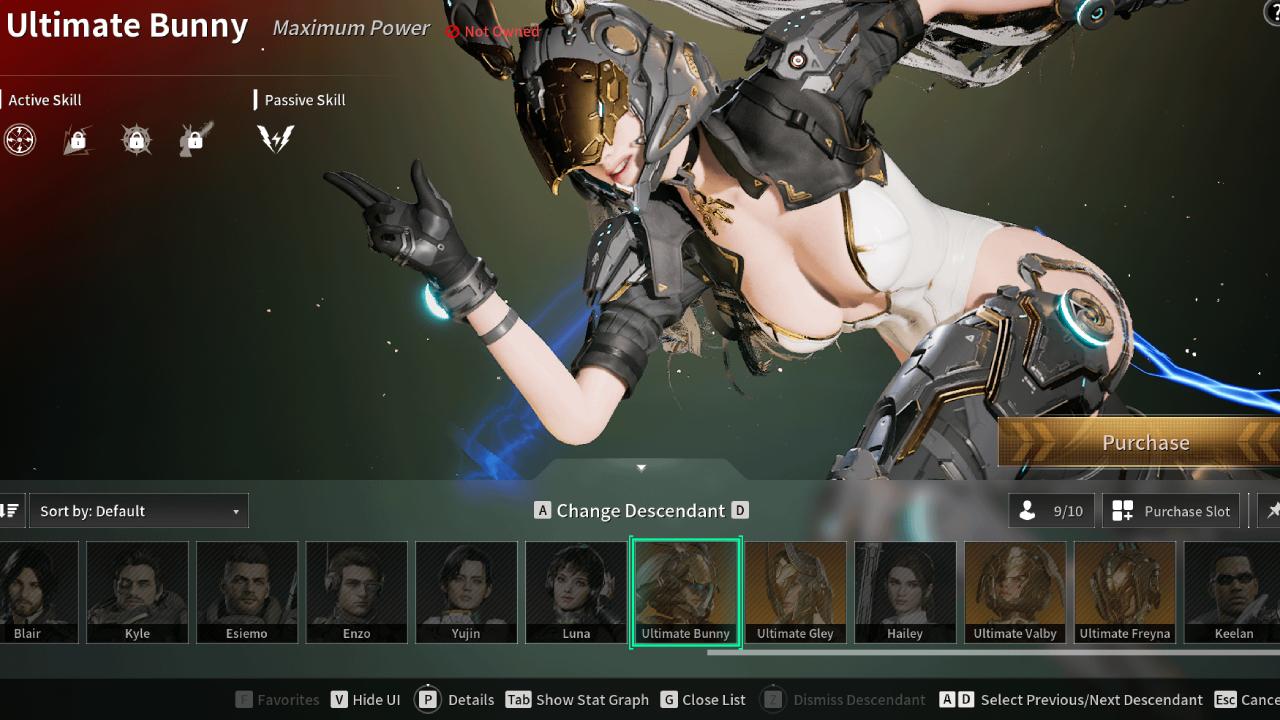
Today's developers are building economies with the logic of financial markets, whether they like it or not. Item drops, trading interfaces, and marketplace fees look less and less like simple in-game stores and more and more like exchange infrastructure. This tendency suggests that future titles could construct economic systems as meticulously as they build combat or progression features.
For players and developers alike, understanding these dynamics matters more each year. As digital gaming stores continue absorbing real financial behavior — speculation, volatility, and structured trading — the line between playing a game and participating in a market keeps getting thinner. How the industry chooses to design around that reality will likely define the next era of in-game commerce.
Moderator, NoobFeed
Latest Articles
No Data.