
Intel Nova Lake Could Bring 52 Cores and Massive 288MB Cache
Intel Nova Lake reportedly brings up to 52 cores, 288MB cache, faster DDR5 support, and multiple-generation platform upgrades.
Hardware by Nahe Yan on Sep 05, 2026
Intel Nova Lake will be a new generation of desktop processors. It will have up to 52 cores, 288MB of BLLC, a new LGA 1954 interface, and support for upgrades from different generations. It is also expected that the platform will directly compete with AMD's Zen 6 processors and make changes to the desktop's cache, memory support, and overall performance.
It’s confirmed that Nova Lake, Intel’s 400 series processors, will feature up to 52 cores and a massive 288MB BLLC on the top flagship SKUs. Intel is also claiming that this will be one of the biggest upgrades for desktop PCs in recent memory. Nova Lake will compete favorably against AMD’s Zen 6 processors next year, but Intel's next-generation processors will be on LGA 1954.
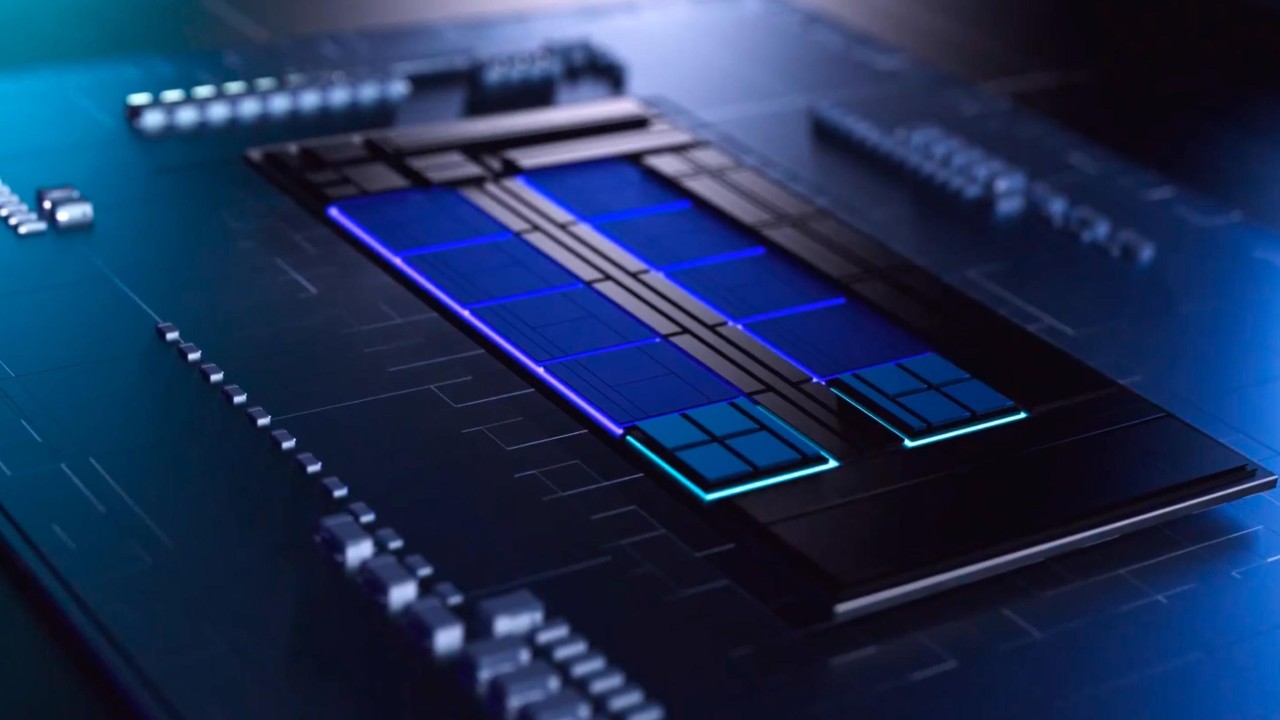
Nova Lake Could Reach 52 Cores
Intel describes the Nova Lake platform as the next-generation desktop platform for future fourth-generation Core 400 processors, with a new LGA 1954 interface and BLLC large-cache architecture. Mass production is scheduled for Q4, and it will feature 52 cores with new-generation P, E, and low-power cores.
Intel says this will compete directly with AMD’s 3D V-Cache. The platform can reach up to 52 cores, while the 28-core version launches first. The DDR5 platform will also receive further frequency support. Rumor has it that Nova Lake will officially support 8,000MT/s memory. We wouldn’t be surprised if it goes significantly higher, to 9,000 MT/s or more.
There is an upgrade path. In the first quarter of next year (2027), the 28-core version will launch. The 52-core version is expected to launch in 2027, possibly around Q2. This is where things get interesting because LGA 1954 is committed to supporting multiple generations of upgrades. The information states that in Q4 2027 and beyond, Raptor Lake/Hammer Lake succeeds.
That is interesting because the basic layout is pretty similar, so it could have up to 52 cores, for example. There will obviously be IPC gains and everything else that comes with a new generation. For gamers, that leaves some interesting questions. If Q1 comes around, depending on any delay, there could be only 9 to 12 months before Raptor Lake/Hammer Lake arrives.
Nova Lake Vs. Zen 6
The fight between AMD and Intel next year will be interesting. We still think AMD will probably have the overall advantage in games, but Intel seems very confident in Nova Lake. Unfortunately, the 52-core version launches later. However, there are many rumors that it will also be very power-hungry. We are also hearing that it is going to be very expensive, like really expensive.
It will be interesting to see how these two processor generations perform. The rumor is that Core Ultra could potentially have a slightly higher IPC gain, but it will clock lower. We have heard that the frequency is about the same. Some people say it could be slightly higher, while others say it could regress slightly.
So, it could be around the same level as the current generation of Arrow Lake processors, or maybe a little more. For AMD, we are probably looking at around a 10% improvement in IPC, but significantly higher clock frequencies. It seems like 6.1 GHz to 6.2 GHz will be pretty easy for Zen 6. AMD is also moving onto a new process and so on.
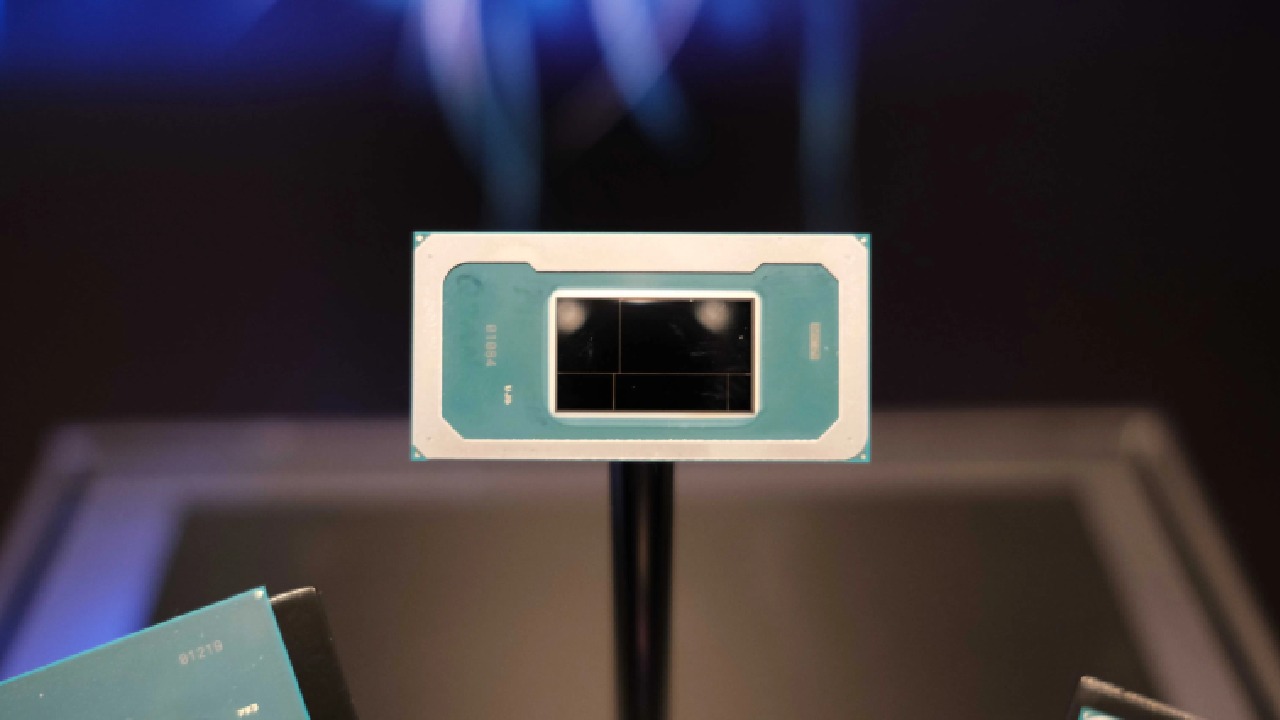
Power consumption figures are floating around, but they could be wrong. It also depends on how the processor is configured and what instructions are running. A processor is not going to pull 700W when you are just playing Counter-Strike. Power consumption will depend on factors such as the instructions being run and the configuration.
Power consumption will be significantly higher than AM5.
There is also a comparison among Arrow Lake, Raptor Lake refresh, Nova Lake, Griffin, Golden Lake, and, eventually, Titan Lake. Titan Lake will be interesting because Serpent Lake is based on it. PC gamers are generally more invested in the hardware and games they use, though that isn't always the case.
Many people buy a console and play several games, while PC gamers can use their systems for gaming and other workloads. You might use a PC for AI workloads, but you might also use it for 3D rendering, video editing, or other tasks. That gives the PC more uses beyond gaming.
We would also agree with Sweeney that AAA games are becoming more expensive. The prices of major AAA games show where the market is heading, and it is not limited to one company. It will be interesting to see what happens in the marketplace.
We think more studios will close, and it could be a tough time for the AAA market. PC gaming also has another advantage. On Steam, GOG, and other platforms, many games are available. You can go to Steam, get a game for a couple of bucks, and start playing. That is without even getting into emulation and everything else available on PC.
Editor, NoobFeed
Gaming Hardware Updates
No Data.