
Intel Nova Lake-S Leak: Core Ultra 9 4950K ES Crushes Current CPUs
Intel Nova Lake-S could deliver a major desktop performance leap while introducing the Core Ultra 9 4950K naming era.
Hardware by Tanvir Kabbo on Aug 21, 2026
Intel's desktop CPU battle has been stuck in a fascinating cycle of incremental gains, architectural resets, and increasingly aggressive competition from AMD. Now, the company's next major platform appears to be preparing something considerably more ambitious. A fresh leak surrounding Intel Nova Lake-S has reportedly exposed both a surprising new product name and early performance results that could make the upcoming architecture one of Intel's most important desktop launches in years.
According to recent reports, an Engineering Sample (ES) believed to represent the flagship Core Ultra 9 4950K has already appeared in testing. Despite being unfinished silicon, the processor is reportedly performing ahead of current-generation desktop flagships, including Intel's own high-end offerings and AMD's competing chips.
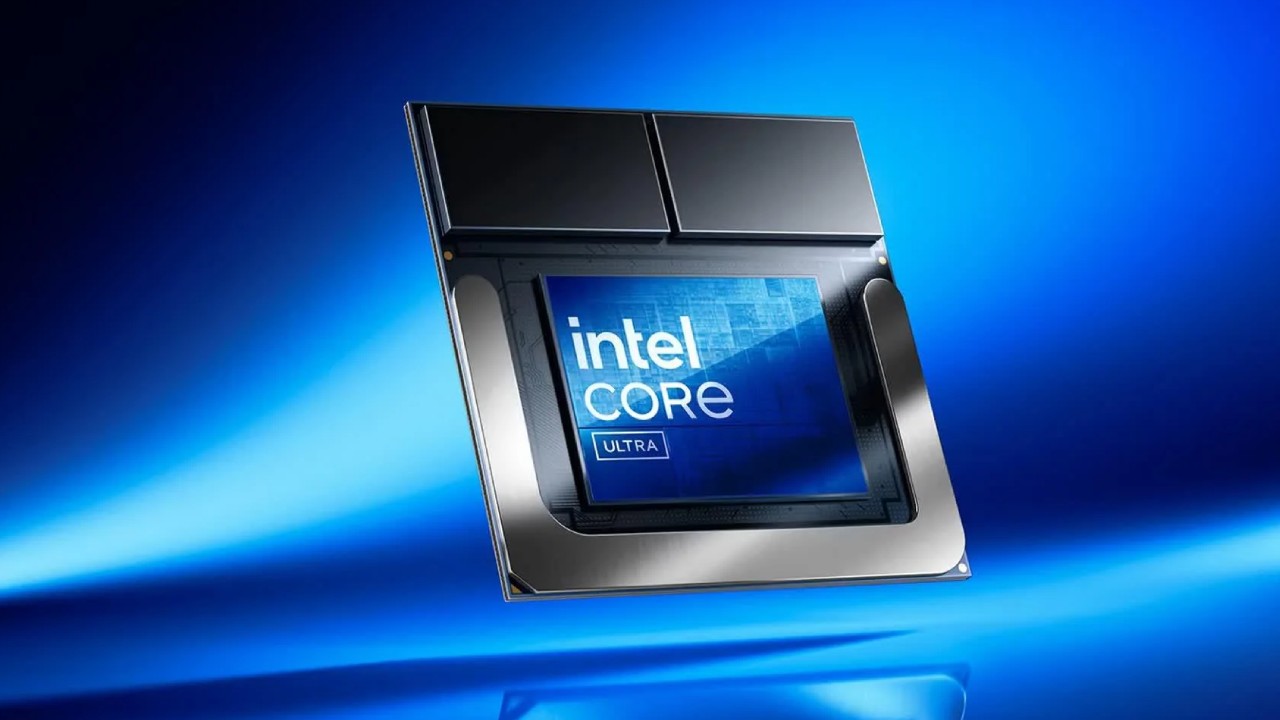
That does not make the retail processor a guaranteed performance champion. Still, it does suggest that Nova Lake-S could represent a much more substantial generational leap than the relatively measured progression seen across recent Intel desktop platforms.
The "Core Ultra" Era Finally Reaches the Desktop
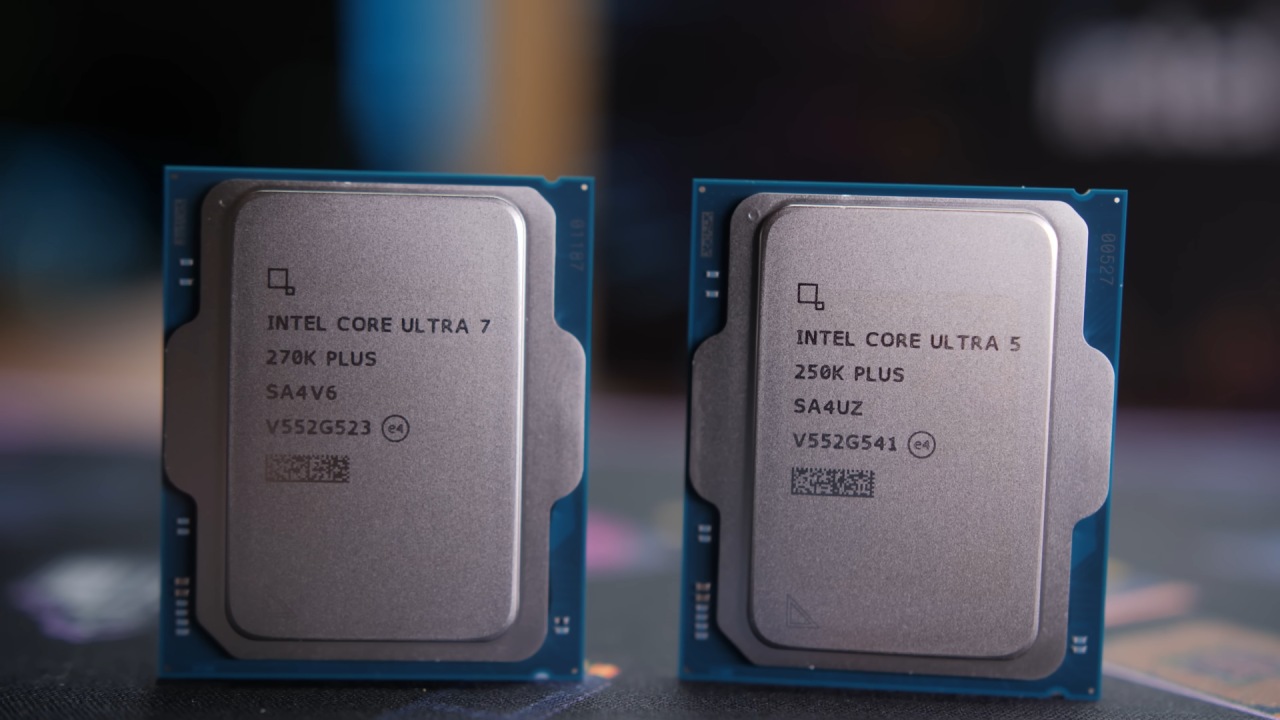
Perhaps the most immediately striking part of the leak is not the benchmark result. It is the name. Intel is reportedly preparing to abandon the familiar Core i9 branding for its flagship desktop processor, with the top Nova Lake-S chip potentially launching as the Core Ultra 9 4950K.
This would bring Intel's desktop naming much closer to the Core Ultra strategy already established across its newer mobile products. On paper, the change looks cosmetic.
Strategically, however, it makes a lot of sense. Intel has spent several generations trying to establish Core Ultra as the umbrella identity for its newest CPU architecture, AI capabilities, graphics technologies, and heterogeneous core designs. Keeping the desktop flagship under the aging Core i9 label would create an increasingly awkward split between Intel's mobile and desktop portfolios.
The Core Ultra 9 4950K name therefore signals more than a branding refresh. It could mark the point where Intel treats desktop and mobile processors as parts of one broader architectural ecosystem.
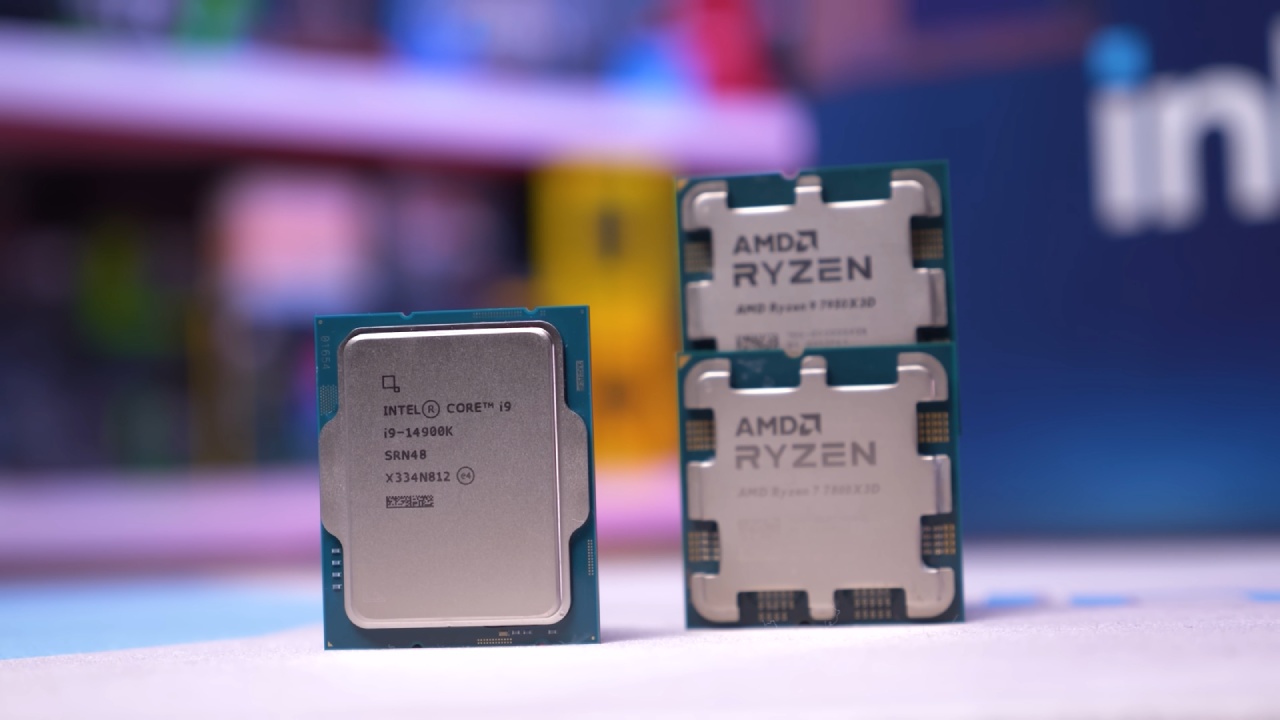
For enthusiasts, though, the number itself will take some getting used to. After generations of Core i9-12900K, 13900K, 14900K and subsequent Core Ultra branding, "4950K" sounds almost like a time capsule from Intel's older naming era.
Nova Lake-S is Built for a Bigger Reset
The naming change becomes more interesting when you consider what is expected underneath the heat spreader. Nova Lake-S is reportedly being designed as a completely new desktop platform rather than another straightforward refresh. Leaks point toward new CPU architectures, advanced packaging, a new socket, and DDR5 memory support. Intel is also expected to introduce a much more aggressive core and cache strategy with the generation.
The design's scale is particularly notable. Earlier leaks suggest Nova Lake-S configurations reaching as many as 52 CPU cores in dual-compute-tile designs. At the same time, specialized "big LLC" variants could carry dramatically larger cache pools. Some reported configurations reach up to 288 MB of total cache.
That is important because Intel is not simply chasing higher clock speeds. The company appears to be attacking desktop performance through multiple layers simultaneously: core architecture, packaging, cache capacity, instruction support, and platform-level changes. The return of AVX-512 to Intel's consumer lineup through Nova Lake also points toward a renewed emphasis on raw compute capability rather than simply maximizing headline specifications.
An Engineering Sample Beating Current CPUs is the Real Story
The most exciting part of the leak is the reported Engineering Sample (ES) performance. Engineering Samples are not finished, retail processors. They exist to validate silicon, firmware, power behavior, frequencies, memory compatibility, and other elements before mass production. Their clocks, voltage characteristics, microcode, and platform tuning can differ substantially from what eventually reaches consumers.
That makes the reported Nova Lake-S result particularly intriguing. If an early Core Ultra 9 4950K sample is already outperforming current flagship processors, it doesn't necessarily mean retail Nova Lake will simply be "X percent faster." The more interesting possibility is that Intel still has substantial room to optimize the architecture before launch.
Recent leaks suggest Nova Lake engineering samples are circulating. At the same time, performance projections point to substantial improvements in both single-threaded and multi-threaded workloads. The key caveat is that leaked benchmark results should be treated as provisional.
An ES benchmark can be influenced by memory configuration, BIOS maturity, power limits, cooling, clock behavior, and test methodology. Until independent reviewers test retail hardware, claims of outright dominance should remain exactly that: claims. Nevertheless, an early sample showing this level of competitiveness is precisely the kind of signal Intel needs.
A New Socket Could Make Nova Lake the Upgrade Point
The performance story also intersects with an uncomfortable reality for existing Intel builders: Nova Lake-S is expected to require a new platform. Leaks point to the LGA 1954 socket, meaning current LGA 1851 systems would not simply receive a BIOS update and become Nova Lake machines. A new processor would therefore mean a new motherboard, with DDR5 continuing as the memory foundation. That creates a familiar dilemma for PC builders.
Intel's platform changes have historically encouraged enthusiasts to think carefully about upgrade timing. If Nova Lake-S delivers the architectural improvement suggested by these early results, however, the new socket could become easier to justify. A genuinely large performance jump gives buyers a reason to replace the motherboard rather than simply wait for another incremental CPU refresh.
For anyone currently sitting on an older Intel platform, Nova Lake could consequently become less about upgrading a processor and more about rebuilding the core of the system.
Senior Editor, NoobFeed
Gaming Hardware Updates
No Data.