
Inside the Booming Indie Games Scene in New Zealand
Other by Druuna Lewis on Jan 08, 2026
Those not familiar with gaming events may not know about PAX Australia, a large conference and exhibition held at the Melbourne Convention and Exhibition Centre each October. A consistently popular section at the show is PAX Rising, which highlights indie video games and tabletop titles. In recent years, entries from New Zealand have become more prominent.
At the booth run by CODE, New Zealand's government-funded Centre of Digital Excellence, 18 Kiwi developers presented upcoming games. The showcase drew steady interest and highlighted the strength of the local scene.
In Headlice, players control a parasite that attaches itself to people's heads and makes them do things. How was your day? is a lovely time-loop adventure set in New Zealand about a little girl looking for her lost dog. Killing Things with Your Friends is a cooperative action game built around bizarre medical trials, where players improvise weapons from the environment to survive.
Indie game developers in New Zealand are producing everything from big story-driven games to slick VR titles and free-to-play demos. That same talent naturally shows up in the country's growing digital entertainment scene, too. You may spot it in many themed video slots powering online casinos in New Zealand these days.
Kiwi Game Studios revenue
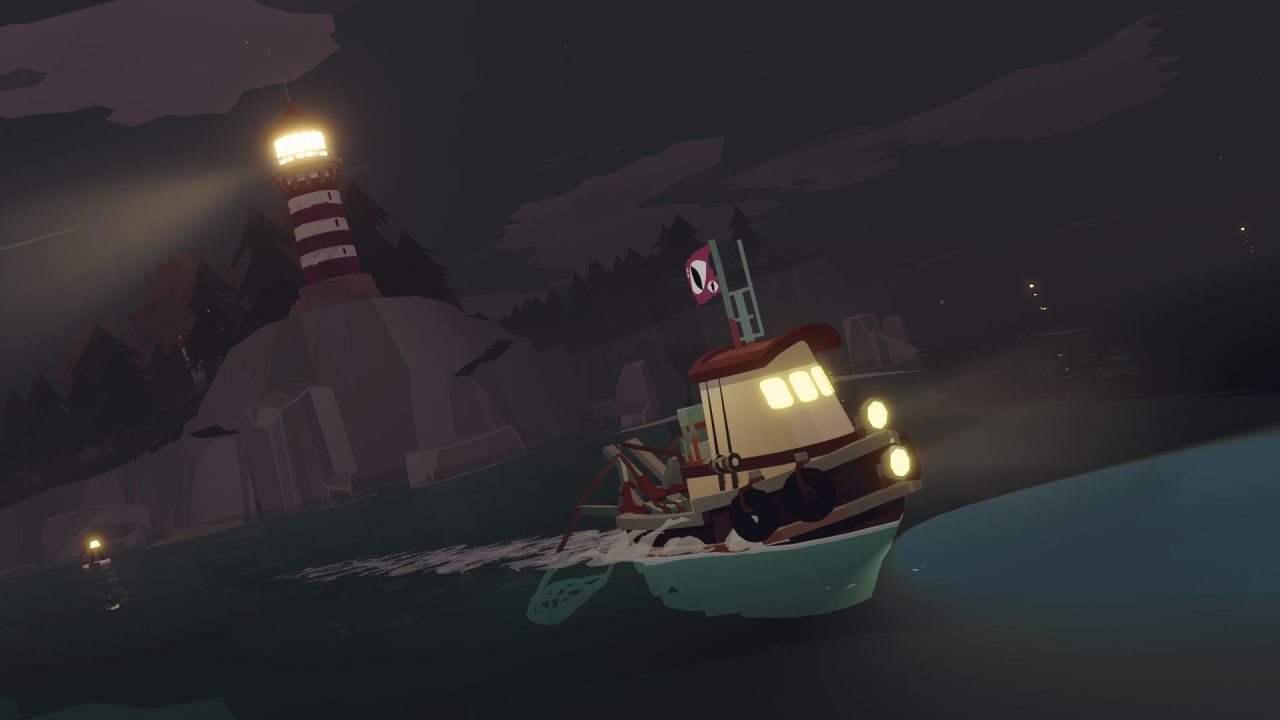
Independent New Zealand games are getting more attention than ever. Two years after the global success of Dredge, the industry is seeing real momentum. According to a recent survey by the New Zealand Game Developers Association, studio income has increased every year since 2018. The jump between 2024 and 2025 was especially sharp, rising 38% to NZ$759 million. That number is almost double the amount what Australian studios earned in 2024.
A handful of major titles helped push those totals higher. Grinding Gear Games' Path of Exile series brought in NZ$105 million between October 2024 and September 2025. PikPok continued its run of strong mobile releases, with more than 500 million global downloads across its catalogue.
Games such as Flintlock: The Siege of Dawn, Cryptmaster, and Dungeons and Degenerate Gamblers also reported strong numbers. Some of these projects used NZ On Air's 20% rebate, which delivered NZ$22.4 million across 40 studios in 2024 and 2025. But younger studios with no outside capital often relied on CODE to get started.
About CODE NZ
CODE was launched in late 2019 in Dunedin under the New Zealand Labor government. It was originally set up to support studios based on the South Island. The program was expanded in 2022 to cover the whole country, offering funding and guidance on industry standards.
In the most recent funding round, about NZ$960,000 went to 13 studios. And in September, Minister Shane Reti from the National Party said the government would more than double CODE's annual budget, adding another NZ$2.75 million each year.
Many countries fund game development. CODE does that too, but its approach is different. It trains developers to compete globally. The program goes beyond grants. It includes mentorship, hands-on workshops, and real industry skills. Things like how to speak to journalists and influencers. How to budget. How to port a game to consoles.
CODE also gives support in stages. There's funding for travel. There's money to kickstart early projects. And there are larger grants of up to $250,000 for teams that are ready to grow. The whole point is to help developers reach a point where they no longer need CODE. "Publishers and investors only want to talk to you once you’ve already proven something," says Vee Pendergrast, CODE's development manager. "So, we built that expectation into the model."
The international experts CODE brings in as mentors solve a big problem at a lower cost. "Even if you pay them consultancy rates, their skills stay in the ecosystem," Pendergrast says.
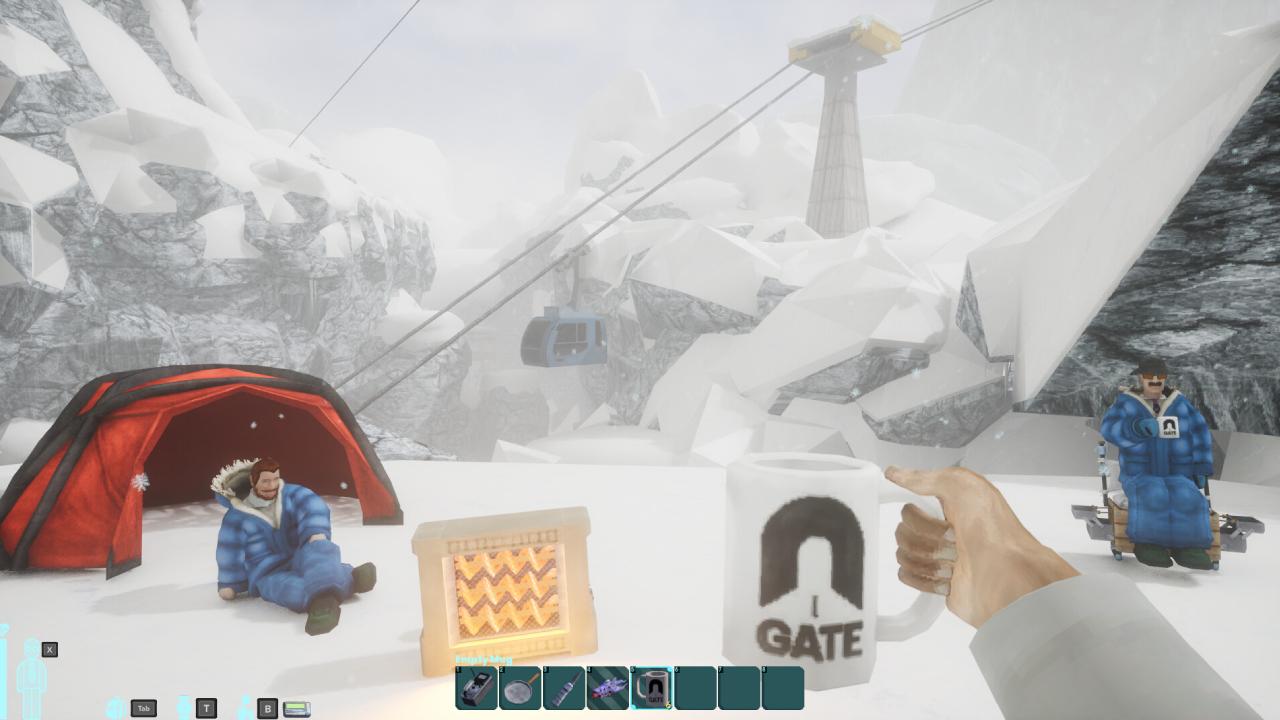
By CODE's own numbers, every dollar it spends creates NZ$2.67 of new investment. And that was before Abiotic Factor hit consoles, a CODE-backed game from Deep Field Games that has already sold more than 1.4 million copies on PC alone.
New Zealand-made PC games
On Steam, the NZGDA counts 61 upcoming New Zealand-made PC games. It's a solid number for such a small country, though tiny when you remember that Steam saw around 19,000 releases in 2024 alone.
With a market that crowded, the studios showing their work at PAX had to bring something different. "We get a lot of cool, quirky, Kiwi-oriented stuff," Pendergrast says. "That’s part of our whole brand."
And you can see it in the games themselves. Middle Management leans into absurd office humor, starring a mind-sucking octopus that somehow fits right in. Dream Team Supreme goes in another direction, letting two players control a two-headed robot and fight monsters using two separate card decks – odd, but memorable ideas, and that's the point.
Of course, not every game funded by CODE is going to blow up commercially, and it's honest about that. "We’re really open to sharing our successes and failures, and what led to them," the Black Salt chief executive and producer Nadia Thorne says. The goal isn't perfection. It's to make the path smoother for the next wave of developers.
Moderator, NoobFeed
Latest Articles
No Data.