
Nvidia and Intel Partnership Opens Doors for Ultra-Portable Gaming PCs
Nvidia’s investment in Intel creates new possibilities for handheld gaming devices combining x86 CPUs and advanced Nvidia graphics technology.
Hardware by Masaru Hoshino on Sep 29, 2025
The recent Nvidia investment in Intel has sparked discussions about the potential for console-like devices combining Nvidia graphics with x86 CPU architecture.
While the traditional concept of a console, with its own ecosystem and APIs, may be dominated by existing players like Sony, Nintendo, and historically, Xbox, the collaboration opens up possibilities for high-performance handheld devices.
These devices might use x86 CPUs and Nvidia graphics to make gaming experiences that are really interesting, especially in very compact sizes.
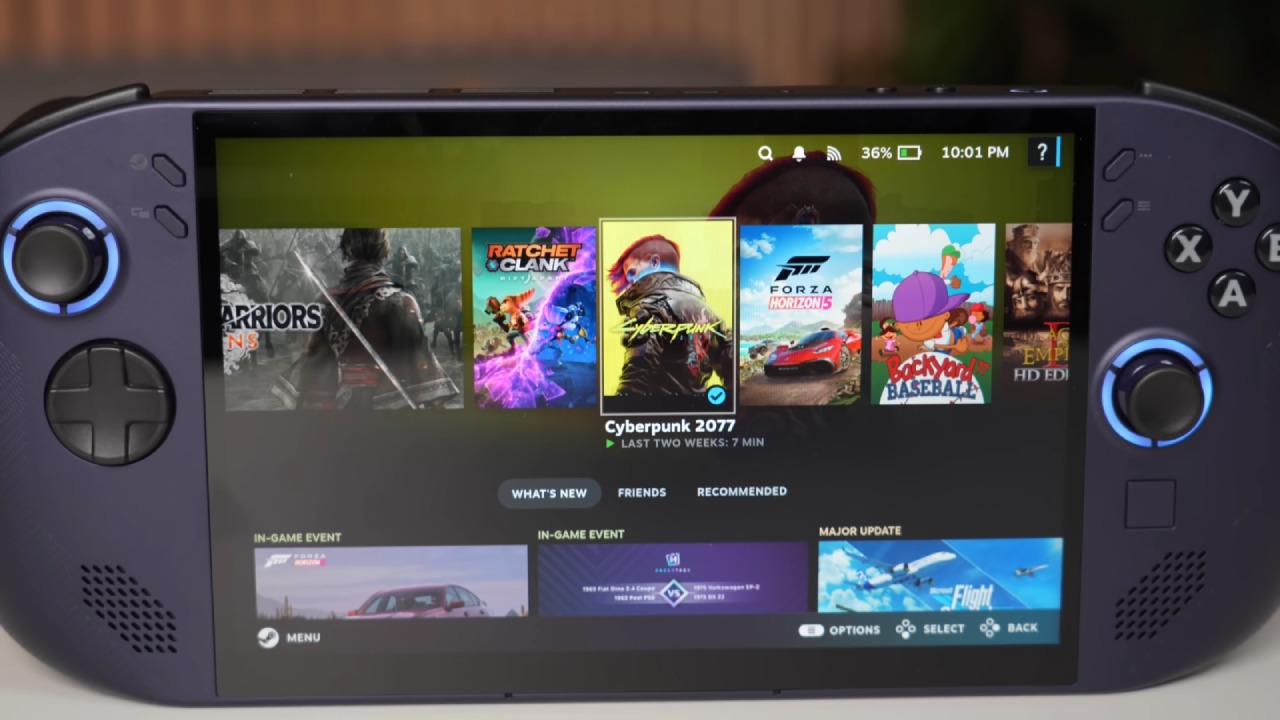
The Shift Toward PC-Based Handhelds
In today's world, we need to think about what makes a console. There may not be much room for change in traditional consoles, but the rise of handheld devices, especially those that work with PC gaming ecosystems, offers new chances.
Handhelds that employ x86 architecture make it easier to adapt PC games that are already out there. This is because ARM-based devices typically have compatibility problems. Historically, ARM translation layers have had trouble with driver and instruction compatibility, which has caused games to stall or not start at all.
Using x86 gets rid of most of these problems, making gaming easier and more fun.
Software and Ecosystem Considerations
Any device resulting from this partnership would likely rely on Windows, utilizing the Xbox Fullscreen Experience or alternative PC gaming platforms, such as SteamOS. This means the device would be more of a console-like PC rather than a traditional console with a proprietary ecosystem.
Partnerships between Nvidia and Intel may not aim to create a full-fledged ecosystem. Still, they could enable devices with desktop-level software and graphics performance in handheld or ultra-portable form factors.
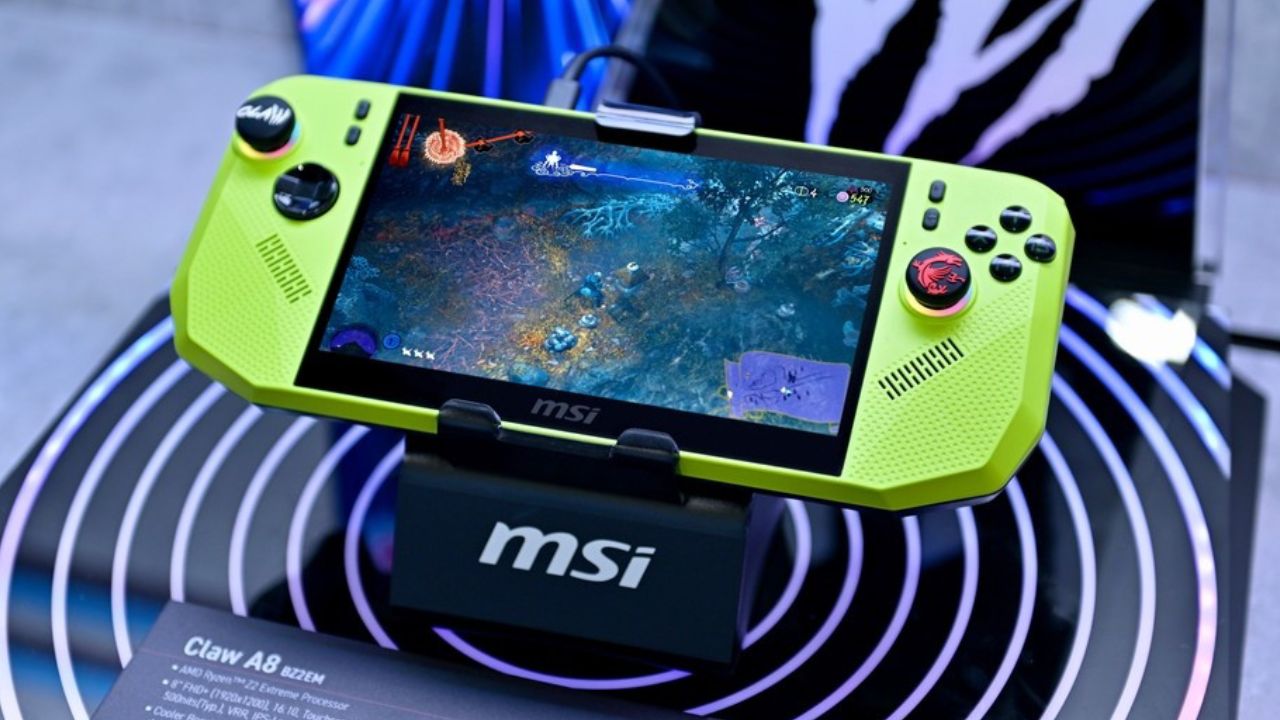
Graphics Performance and Market Viability
The appeal of such handhelds lies in achieving higher graphics performance than current APUs while maintaining a low TDP envelope. Nvidia's upcoming N1X and N1 chips, alongside Intel's ARC architectures, could provide the necessary performance for these devices.
However, the market for ultra-portable gaming remains small, and its growth is uncertain. Manufacturers may initially target niche enthusiasts or OEMs, licensing chips similar to how AMD is currently used in specific devices.
Challenges and Timing
The potential for such devices is tantalizing, but timing is critical. Had this opportunity emerged in 2016 or 2017, there might have been stronger competition to produce x86-based handheld devices.
Now that Microsoft is focusing on console-like experiences through software and existing console players are firmly behind AMD, the chances of Nvidia and Intel making their own console-style hardware are getting lower. The most likely consequence, on the other hand, is a range of specialized devices, such as handhelds, laptops, and compact desktop-like PCs, that give console-like experiences and are compatible with PCs.
.jpg)
Final Thoughts
In the near future, devices leveraging x86 CPUs and Nvidia graphics may redefine what we consider portable gaming hardware. While traditional consoles are unlikely to see competition from Intel or Nvidia, the handheld market offers intriguing possibilities for enthusiasts seeking high-performance, portable PC gaming.
Working together could speed up new ideas in this area for these two companies. Still, the market is likely to stay tiny and focused on specialist groups rather than console players in general.
Check our Other Handheld Articles :
- ASUS ROG Ally X Handheld Review: Double the Battery, Double the Comfort
- Nintendo Switch 2 Vs. Original Switch 1: A Full Comparison
- How To Connect A Camera And Join Voice Chat With Nintendo Switch 2
- Nintendo Switch 2 Review: Handheld Performance, Features & Value Breakdown
- ROG Xbox Ally X Vs. ROG Ally X: Display, Battery & Controls
- ASUS ROG Ally X vs. Steam Deck OLED: Display, Battery & Gaming Benchmarks
- MSI Claw 8 AI+ Review: Display, Controls & Gaming
- Nintendo Switch 2 vs. Steam Deck OLED: Gaming, Performance, Battery, Display and Value
- PlayStation Portal Review: Remote Play, Cloud Streaming & Travel Gaming
- PlayStation Portal vs. Lenovo Legion Go: Best Portable Gameplay
- Cyberpunk 2077 Patch 2.3 FPS Test on MSI Claw 8 AI+
Editor, NoobFeed
Latest Articles
No Data.