
NVIDIA RTX 50 Series Super Leak Reveals Potential 18GB and 24GB VRAM Models
Higher VRAM capacities could make the RTX 50 Series Super lineup a far more attractive upgrade for modern gaming workloads.
Hardware by Masaru Hoshino on Jun 28, 2026
Gaming graphics card market is still in an odd place, with speculation that NVIDIA will unveil upgraded RTX 50 Series Super graphics cards. The current generation is still relatively young, but as VRAM capacity, pricing concerns, and potential delays to future GPUs are increasingly discussed, there is speculation that a mid-generation update would be needed.
Should these cards materialize, they may focus less on outright performance gains and more on addressing one of the most prominent concerns with current NVIDIA GPUs: memory capacity.
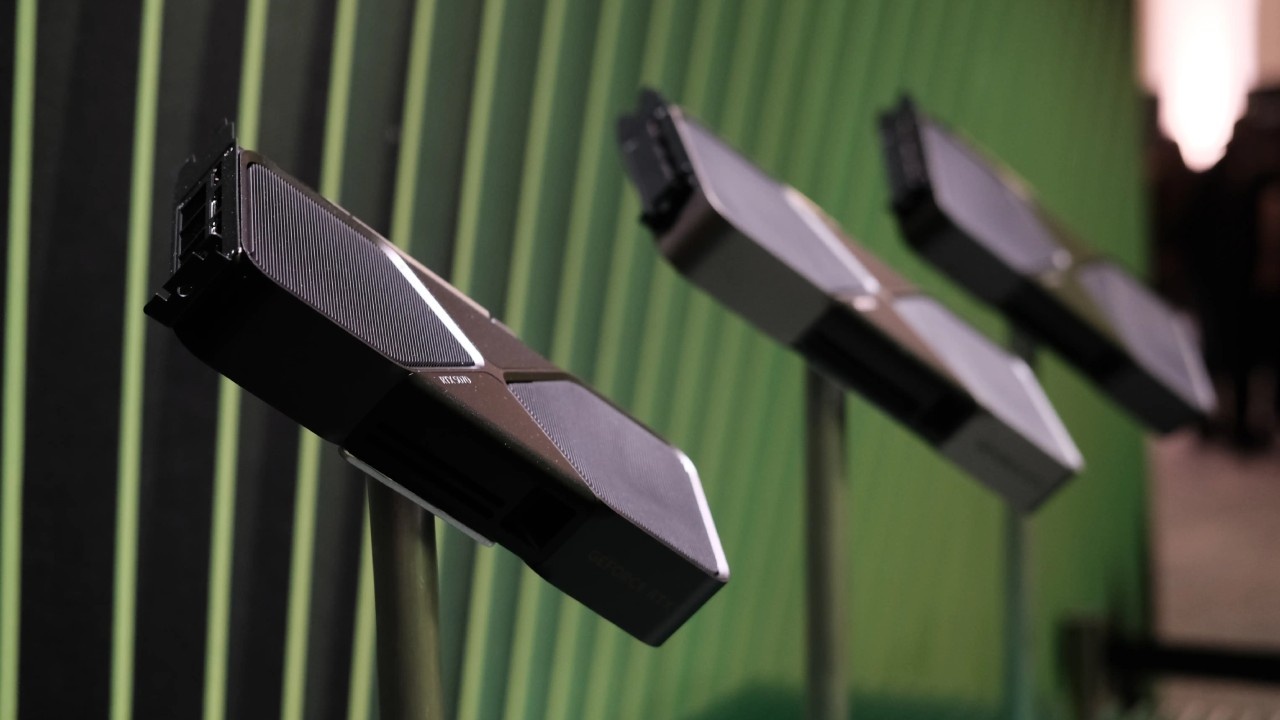
RTX 50 Series Super Could Focus on Higher VRAM Configurations
The expectation was that NVIDIA would eventually refresh the RTX 50 Series lineup. However, ongoing supply concerns related to memory appear to have delayed those plans. The upgrade would purportedly replace old 2GB memory modules with newer 3GB modules.
As part of that effort, the RTX 5070 might get 18GB of VRAM, up from 12GB, while the RTX 5070 Ti and RTX 5080 could even leap from 16GB to 24GB. A hypothetical RTX 5060 Super with 12GB of VRAM might likewise be a big upgrade for the mainstream.
This type of improvement makes sense in that NVIDIA would not have to rewrite the complete graphics board." Or the manufacturer might just use denser memory chips to greatly increase VRAM capacity while keeping the overall design mostly the same.
One of the biggest criticisms directed at NVIDIA over the last several years has been its relatively conservative VRAM allocations. AMD, by comparison, has increasingly treated 16GB as a standard configuration for mid-range and higher-end products. As a result, higher-capacity RTX 50 Series Super cards would likely be welcomed by many gamers.
Pricing Remains Difficult to Predict
Determining potential pricing is much more challenging. Traditionally, NVIDIA's Super refreshes either replace existing models at similar price points or arrive with only minor price adjustments, since the original cards have already been on the market for some time. Current market conditions complicate that equation. Memory costs remain a major concern, and VRAM itself has become more expensive. As a result, pricing estimates remain speculative.
If NVIDIA follows historical trends, projected pricing could look something like this:
- RTX 5060 Super: $349-$399
- RTX 5070 Super: $559
- RTX 5070 Ti Super: $749
- RTX 5080 Super: $999
Those estimates assume NVIDIA positions the refreshed models similarly to the cards they would effectively replace. However, the unusual state of the memory market makes any prediction uncertain.
The Impact of Potential Next-Generation Delays
NVIDIA may also face another challenge. If the next generation of GeForce GPUs has been pushed back, the company could find itself going nearly two years without launching a major new GeForce architecture.
That scenario would make a Super refresh more attractive. Even if the cards primarily offer memory upgrades rather than major performance improvements, they would still introduce new products to the market while extending the lifespan of the RTX 50 Series.
The biggest unknown remains the availability and cost of higher-density memory modules. Without good data on NVIDIA's supply agreements and production costs, the final price could differ somewhat from current expectations.
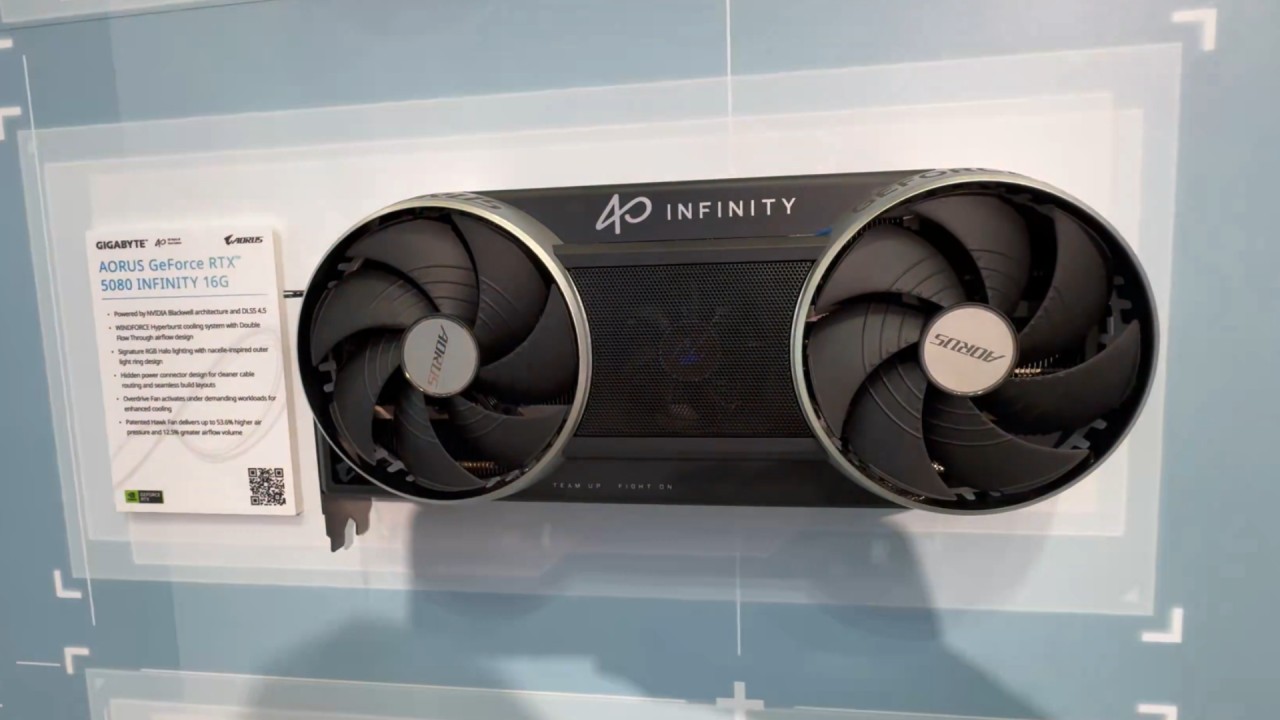
Market Pricing Raises More Questions
The odd thing about the market now is that there seems to be a gap between concerns about higher memory prices and the prices of existing graphics cards. The issue of ever-increasing memory costs persists, yet certain GPUs are still sold at reasonable prices.
You can still get some RX 9070 and RX 9070 XT for a good price. RTX 5070 has sometimes been available for less than MSRP. This begs the question of whether there are other supply chain issues affecting GPU pricing that aren't apparent on the surface. SSD and DDR5 memory product prices have come under significant pressure, but graphics card prices have not always followed suit to the same extent.
More VRAM Would Be Welcome, but Availability Matters
Graphics card alternatives would definitely be helpful, especially if they offer much bigger VRAM capacity. But the issues of price and availability are not so easy to overlook. In the current context, new product launches may just lead to quick sell-outs, especially if production levels stay low.
The general GPU market still feels a little weird, with manufacturers seeming hesitant in how aggressively they push new hardware into retail channels. Even if they are well-accepted, they could lead to supply problems for the RTX 50 Series Super variants.
Do Gamers Really Need Faster GPUs Right Now?
Another issue with a possible Super refresh is whether there is really a market for much faster graphics cards. Today's high-end GPUs can already give superb performance on current software. At today's prices, many gamers may just opt to buy an older, higher-tier card instead of waiting for a slightly faster refresh.
The market is less interested in maximum performance and more interested in value, availability, and memory capacity. In that case, more VRAM might be a more important boost than more raw performance.
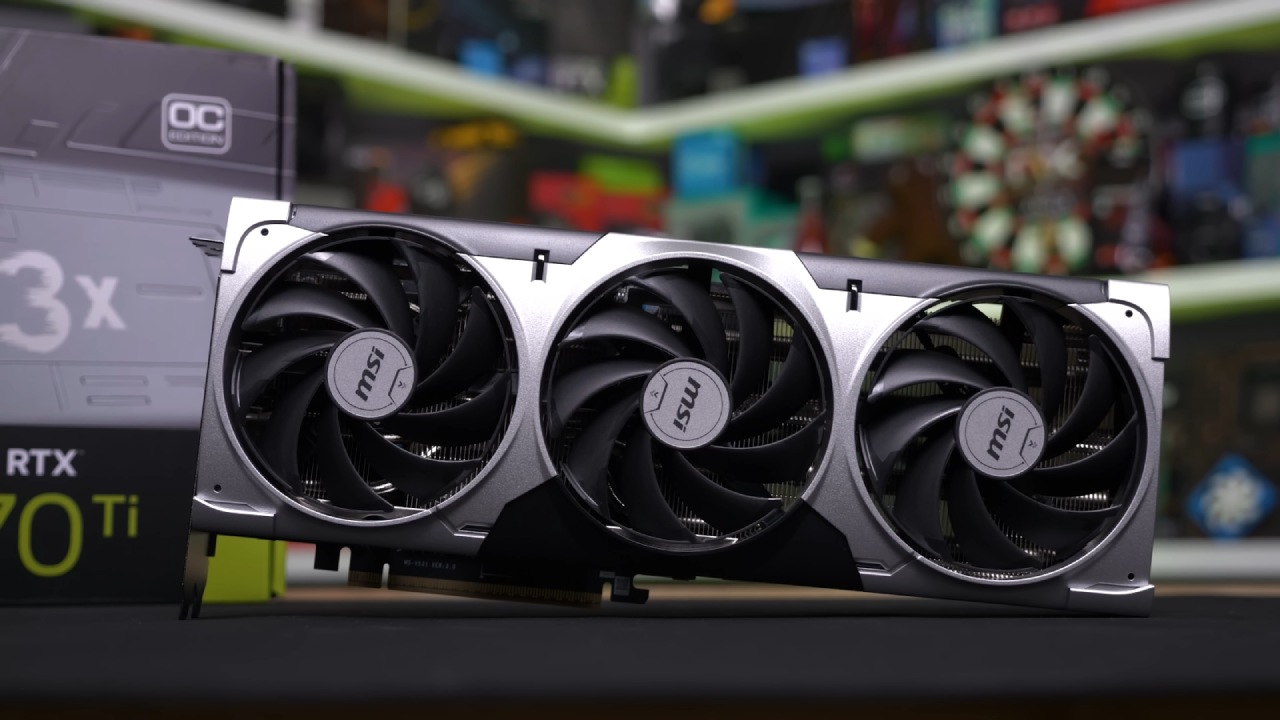
RTX 5070 Debate Highlights a Changing Perspective
The RTX 5070 is a fascinating illustration of how the approach to GPU launches might be changing. When the card launched, reviews were often critical because its raw performance gains over the RTX 4070 Super were relatively modest. There was also some skepticism about NVIDIA's RTX 4090 comparisons.
That said, the RTX 5070 still packs a capable feature set. The card supports path tracing, multi-frame generation, and is powerful for 1440p gaming.
Titles that use complex rendering techniques are still very enjoyable, with frame rates reaching around 160 fps in some situations. A big factor is that, with the RTX 5070 arriving, it became harder for people to get the RTX 4070 Super. This made a direct comparison between the two items less interesting from a practical purchase standpoint. The critique of modest raw performance gains still holds.
However, if game requirements are not skyrocketing, a substitute product that adds beneficial features and improves capabilities can still be an effective way to meet the need. For many gamers, the ability to enjoy newer titles with superior visual innovations might matter more than pursuing big generational performance boosts. That would be a smart and timely VRAM-centric RTX 50 Series Super refresh in that context.
Editor, NoobFeed
Gaming Hardware Updates
No Data.