
Why Nvidia Might Skip TSMC 3nm for RTX 6090 and Move to Intel14A
TSMC 4nm Capacity Constraints Are Forcing Nvidia to Prioritize AI Over Gaming GPU Production.
Hardware by Tanisha Aria on Feb 26, 2026
There is a strong idea about Nvidia's next-generation gaming GPUs: what if the RTX6090 doesn't go through TSMC's most advanced nodes and instead lands on Intel14A in 2028?
The idea isn't as unlikely as it used to be, thanks to AMD's aggressive roadmap, rising capacity constraints, and shifting AI goals. When we look at the plan in the context of several industry changes, it starts to make a lot of business sense.
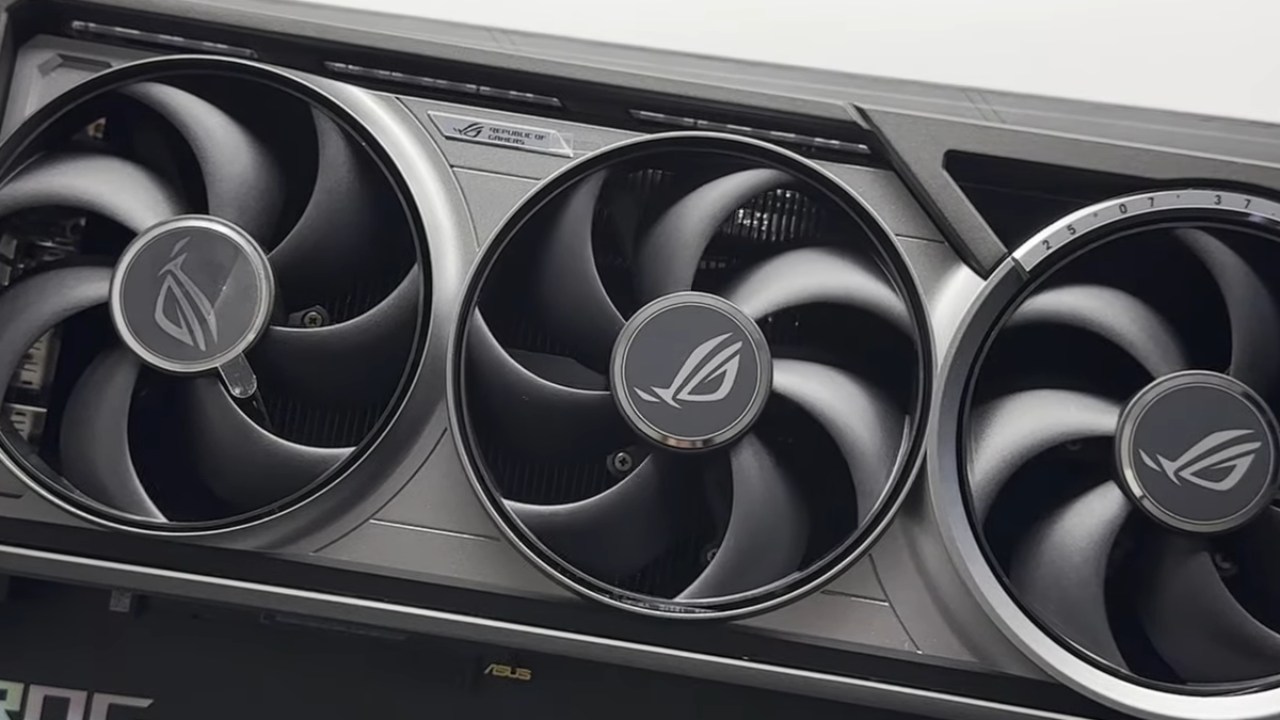
TSMC Capacity Constraints and AI Prioritization
We already know that Nvidia has slowed production of the RTX 50 series because TSMC can only make so many 4nm chips. A big chunk of that capacity has been moved to AI contracts, which have much better profit margins. When looking at things from a business point of view, it makes sense to put AI silicon ahead of the game, GPUs.
We also know that next year, Nvidia will move its Rubin AI tools to 3nm. The production of AI will still use advanced-node capacity at TSMC, even if game GPUs stay on older nodes. That means there will be more competition within the company for chips, and gamers might not be at the front of the line.
Competitive Pressure from AMD RDNA 5
AMD has officially stated that RDNA 5 will be released next year, and performance is expected to improve significantly. At 4K, the RTX 5090 is already about 82% faster than the RX9070XT. If Nvidia could get an extra 20% out of a made-up 5090 Ti refresh, speed would be about 2.2 times what it is now on the 9070XT.
The Nvidia 5090 Ti could still beat RDNA 5's top-of-the-line GPU if it ends up being 2.5 times faster than the 9070XT. NVIDIA could say that its updated card is still competitive even if AMD comes out on top by 20% because it is based on older 4nm technology. Perceived performance leadership might stay the same once tools like DLSS4.5 or even DLSS5 are added.
A Strategic 5090 Ti and Super Refresh Scenario
When we look at time, we can start to see a strategic move. A 5090Ti from Nvidia could come out late this year to beat RDNA 5. After that, a refresh of the 50 Super series in early 2027 could make the Blackwell design last longer.
We might even see Nvidia stop making high-end RTX 50s to make room for new models, rather than just because they don't have enough space. In this way, the company could technically keep 4nm-based GPUs in production until late 2028. The RTX 50 model could become one of Nvidia's longest-running GPU lines if that happens.
Thinking about where to put their products, Nvidia could safely sell updated 4nm gaming products against AMD's 3nm products by relying on software advantages. The story would be simple: performance is close enough, and in real life, it might even be better with DLSS turned on.
Skipping TSMC3nm and 2nm for Gaming
This part of the idea is where it really gets interesting. It is said that Nvidia will make iGPU tiles for Intel in 2029, possibly using Intel14A. If working together works, it could lead to a bigger change.
NVIDIA could keep the limited TSMC 3 nm or 2nm capacity for AI accelerators only, rather than giving it to game GPUs. Then, around 2028, gaming chips could go straight to Intel14A, skipping TSMC's most advanced nodes for consumer graphics.
From Nvidia's point of view, this would keep advanced-node capacity from being "wasted" on gaming goods with lower profit margins. Even though we gamers might not like that idea, it fits with how things are going in the business right now.
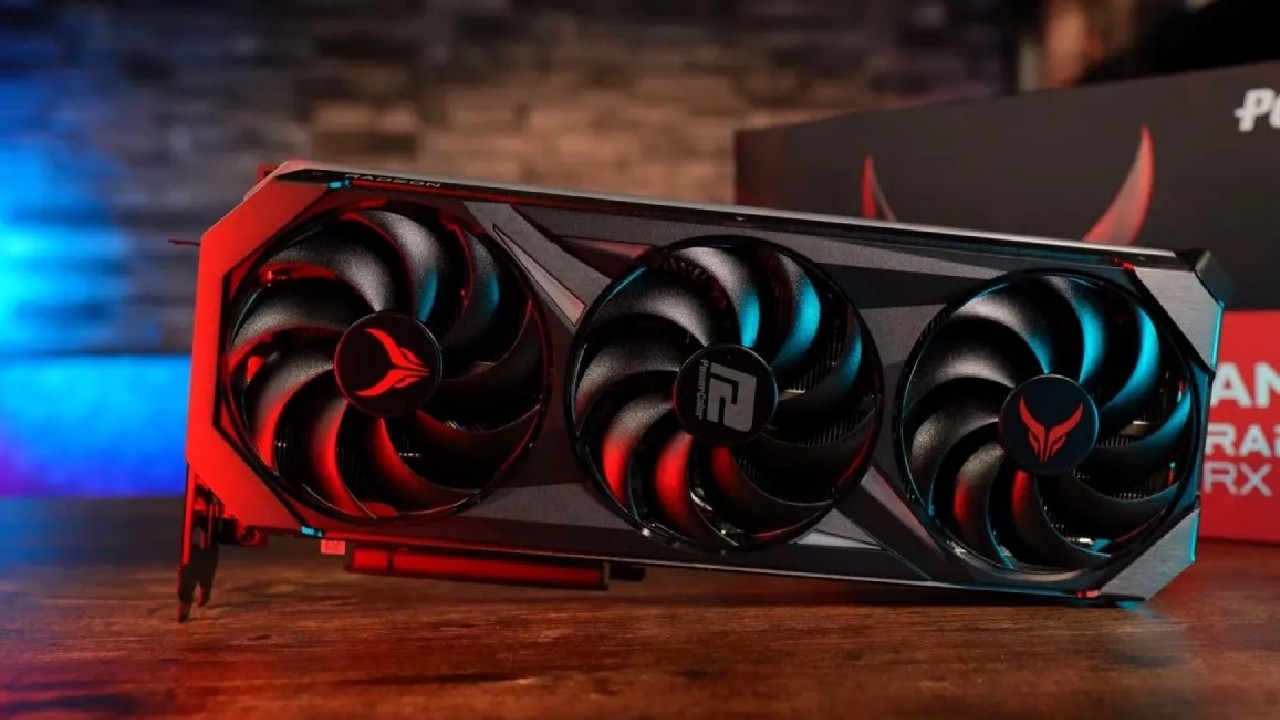
Industry-Wide Node Competition
TSMC won't be able to make many chips, even if Nvidia leaves Gaming GPUs on 4nm and AI moves to 3nm. Zen6 CPUs and RDNA 5 GPUs, as well as next-generation platforms like the PlayStation 6 and Xbox Magnus, will all be competing for wafer space.
In that case, pushing Blackwell to 4nm and waiting to release a real next-generation game architecture until Intel14A is ready might be a smart choice instead of a compromise.
Final Thoughts
We want to make it clear that this is still just a guess. It's not certain that the RTX 6090 will use Intel14A or that Nvidia will skip TSMC3nm and 2nm for game GPUs. But when we consider TSMC's limited space, AI's focus on profitability, AMD's RDNA 5 schedule, and Nvidia's reported involvement with Intel's foundry, the theory starts to make sense.
As gamers, we might want faster node changes as soon as possible. But if we look at the big picture of business, adding a 5090Ti and Super update to RTX 50 while saving the most advanced nodes for AI makes sense.
We should keep an eye out for more proof. NVIDIA could move gaming GPUs to Intel 14A in 2028. This would be one of the biggest changes in the history of modern GPUs.
Also, check our other hardware articles:
- AMD Ryzen 9 9950X3D Review: Setting The Standard For 2025 Gaming CPU
- Amazon Luna 2025 Review: Is Prime Gaming's Cloud Service Your Go-To For Casual Fun?
- AMD RX 9070 XT Review: AMD's RDNA 4 Champion for 1440p Gaming
- GeForce Now Ultimate: Ditching Your Gaming PC For Cloud RTX 4080 Power?
- NVIDIA GeForce RTX 5080 Review (2025): Still A 4K Gaming Powerhouse?
- Intel Core Ultra 9 285K Review And Performance Breakdown (2025)
- AMD Ryzen 7 9800X3D Review: 3D V-Cache Goes God Mode with Stunning Gaming Performance
- Intel Core Ultra 9 285K vs AMD Ryzen 7 9800X3D: In-Depth Gaming Performance and Benchmark Comparison
- NVIDIA GeForce RTX 5080 Super Performance In Cyberpunk 2077: Path Tracing & DLSS 4.0 Tested
- AMD Radeon RX 9070 XT In Cyberpunk 2077: Ray Tracing & FSR 4.0 Tested
- Intel Arc B580 Review: The $250 GPU Revolutionizing 1440p Gaming
- Intel Arc B570 Vs. B580: Value, Specs, And Real-World Gaming Performance
- RTX 5090 Laptop Vs. M4 Max MacBook Pro: Ultimate Raw Performance Vs. Battery Endurance
- Intel Arc b580 Vs. RTX 4060: Game Performance And Value Analysis
- RTX5090 Hell Is Us Demo 4K Ultra Benchmark: DLSS Vs. Native Performance Guide
- NVIDIA RTX 5070 Review: Mid-Range Muscle or Marketing Hype?
- Nintendo Switch 2 Review: Handheld Performance, Features & Value Breakdown
- RTX 5070 Ti Review: Performance, Thermals & Power Efficiency Tested
- Samsung Odyssey OLED G81SF Review 2025: Ultimate 32-Inch QD-OLED Gaming Monitor
- AMD RX 9070 Performance Review: Thermals, Clocks, and Real-World FPS
- AMD Ryzen 5 7600 Review: Best Budget Gaming CPU of 2025?
- AMD Radeon RX 7800 XT Review: RDNA 3 Power For Midrange Gaming
- Asus ROG RTX 5090 Astral OC Vs. Founders Edition: The 4K Gaming Benchmark
Contributor, NoobFeed
Gaming Hardware Updates
No Data.