
Persona 4 Revival: Every Major Feature & Change Coming to Inaba
Atlus is rebuilding the classic RPG with a new engine, redesigned combat, expanded Social Links, reworked dungeons, and more freedom around Inaba.
Games by Adeela Tas on Oct 06, 2026
Persona 4 Revival is shaping up to be much more than a visual upgrade. Atlus and P-Studio are rebuilding the RPG with a modern engine, redesigned character models, a new interface, expanded voice acting, combat changes, reworked dungeons, and several daily-life additions. The result feels like a remake that rethinks how you experience Inaba rather than simply giving the original game a cleaner coat of paint.
The most obvious difference is the visual overhaul. Persona 4 Revival is being developed in Unreal Engine, with every character model rebuilt from the ground up. The older proportions have been replaced with more modern designs, and the environments have been refreshed, too.
.jpg)
You can now freely control the camera with a 360-degree view, whether you're walking around Inaba or exploring a dungeon.
That camera change sounds minor until you consider how familiar Inaba already is to longtime players. Places you have seen from the same angles can now be viewed from different directions, making the town feel more explorable. The remake also offers a more fluid presentation, with redesigned animations during exploration and combat.
The user interface has received the same treatment. The menus, battle screens, and everything else you look at have been redone with a fresher feel. The 2D artwork has also been redrawn, including the character portraits that appear during gameplay. Combat animations have also received a major upgrade, particularly the finishing moves and All-Out Attacks, which now have a much more elaborate presentation.
The story scenes are also getting a complete remake. P-Studio is working with Japanese animation studio MAPPA on the cutscenes, bringing the same studio behind major anime projects such as Jujutsu Kaisen, Attack on Titan, and Chainsaw Man into the project. That collaboration should give the remake's story moments a much more polished animated style.
Audio is another area where Persona 4 Revival is making substantial changes. The English dub is being completely rerecorded, with almost the entire original cast replaced. The major exception is Adachi, who remains voiced by Johnny Yong Bosch. After the casting changes made for Persona 3 Reload, the new performances will be another significant part of how the remake feels different from the original.
Voice acting is also being expanded beyond the main story.
Every Social Link is expected to be fully voiced, giving those optional character stories a much stronger audio presence. Combat will feature more reactive dialogue too, with additional lines and character banter appearing during battles. That should help party members feel more connected while making fights less repetitive.
The soundtrack is getting new material, too. Composer Ryota Kozuka is returning with new tracks alongside rearranged and returning songs. Keeping familiar themes while adding new material gives the remake room to sound recognizable and fresh.
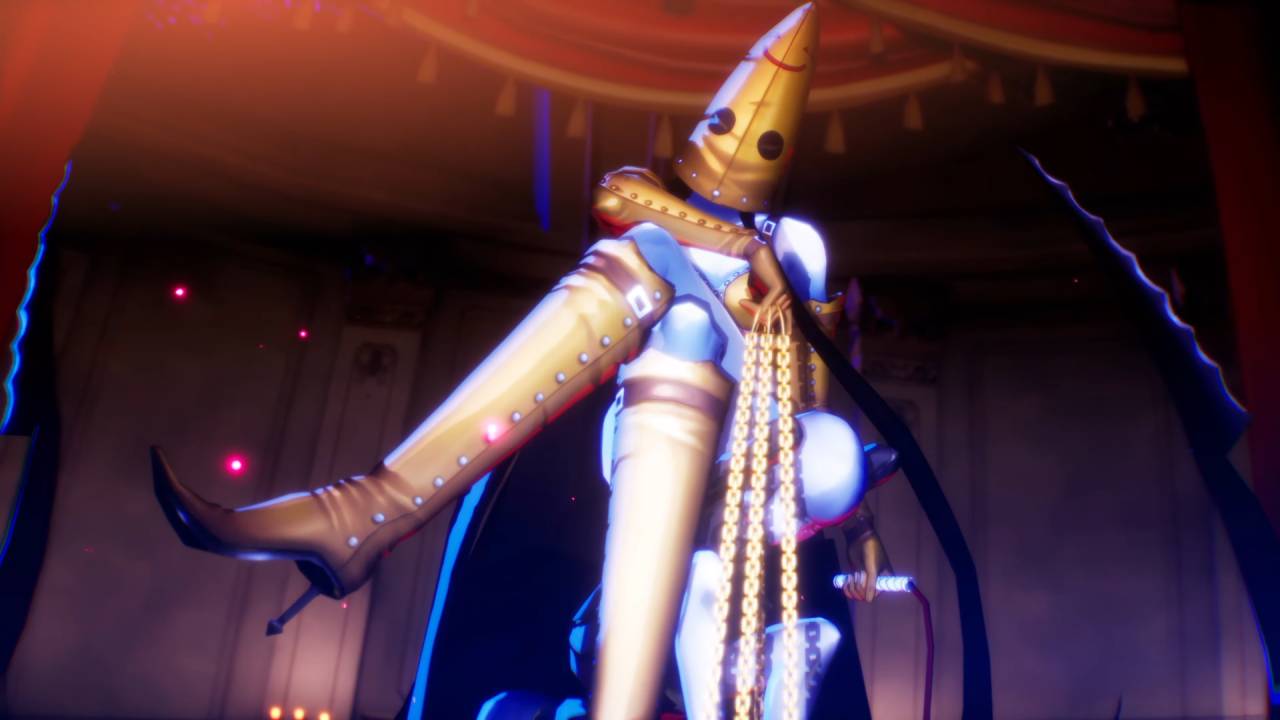
Combat is changing in several important ways. Persona 4 Revival introduces Baton Pass, a mechanic that became closely associated with Persona 5. After exploiting an enemy weakness or scoring a critical hit and earning a 1 More, you can pass that extra turn to another party member. That creates more opportunities to build attacks around your entire team instead of simply continuing with the same character.
The remake is also adding Kinetic Attacks, powerful cinematic moves that become available after building up a certain amount during battle. They serve a role similar to Showtime attacks in Persona 5 Royal and Theurgy attacks in Persona 3 Reload. They are designed to be spectacular and effective, although they may not add much strategic depth. Difficulty options should help balance that increased power.
Persona 4 Revival will have five difficulty levels.
They range from Very Easy to Merciless, giving you more control over how demanding the combat feels. If the new attacks make battles too forgiving, the higher settings should let you compensate. Dungeon design is also being reworked. Rather than using randomly generated layouts, the new dungeons are built by hand, each with its own structure and its own tricks.
Details remain limited, but the goal appears to be giving each area more identity and making exploration feel less repetitive. Shuffle Time has been redesigned too. In Persona 4 Golden, the post-battle tarot card system could involve choosing from cards without knowing exactly what reward you would receive. The remake changes that by showing the rewards face-up, so you can see what each card offers before choosing.
The process of entering Shuffle Time has also been streamlined. Persona fusion is receiving several useful improvements. New Personas are being added, while existing ones are being rebalanced through changes to stats and skill affinities. More importantly, direct skill inheritance now lets you choose the skills you want a newly fused Persona to carry.
That removes some of the frustration associated with repeatedly fusing Personas just to get a specific combination. Battle convenience is being expanded as well. You can speed up combat with 2x, 3x, or 4x options, and an auto-battle function is also available. These features are useful during routine encounters, letting you spend less time watching repeated actions.
The remake takes another page from Persona 3 Reload with special dungeon rooms that throw tougher fights at you but pay out better rewards.

These areas are meant to break up standard exploration with optional challenges. They could give players another reason to explore every corner of a dungeon instead of simply heading to the next objective. Daily life is where some of the biggest changes appear. Previously, your nighttime options were limited to the Dojima household, but that restriction is being removed.
The door is effectively open, allowing you to leave the house and explore Inaba after dark. That creates more room for Social Links, part-time jobs, quests, and other activities that once competed for limited daytime opportunities. Nighttime Inaba will also feature dynamic environmental changes, including different visuals and 3D audio. Since you can move around town after dark, familiar locations should feel different.
Fast travel has also been added, making it easier to move around the expanded town without wasting time. One of the most notable additions is a brand-new Social Link for Aika Nakamura. She is connected to the restaurant in Inaba and previously appeared in Persona 4: The Animation rather than the original game itself.
Bringing her into the remake gives the character a chance to become part of the main game's social systems and adds another relationship for you to develop. The game also introduces new character interactions called Location Episodes. These are designed to expand both the cast and the places around Inaba. One example is finding an old photograph that sets off a new scene and brings a few characters together.
Scenes like that should flesh out the characters and give places you already know a bit more history.
And finally, Persona 4 Revival adds a rewind feature so the calendar isn't so unforgiving. Persona games usually demand careful planning if you want to max out every Social Link and social stat in one playthrough, and one missed chance can make a goal feel out of reach.
Now, if you slip up, you can roll back a day or two and fix your schedule. Taken together, these changes make Persona 4 Revival look like a substantial reconstruction rather than a simple remaster. The visual overhaul is obvious, but the bigger story is how many systems are being adjusted around it.
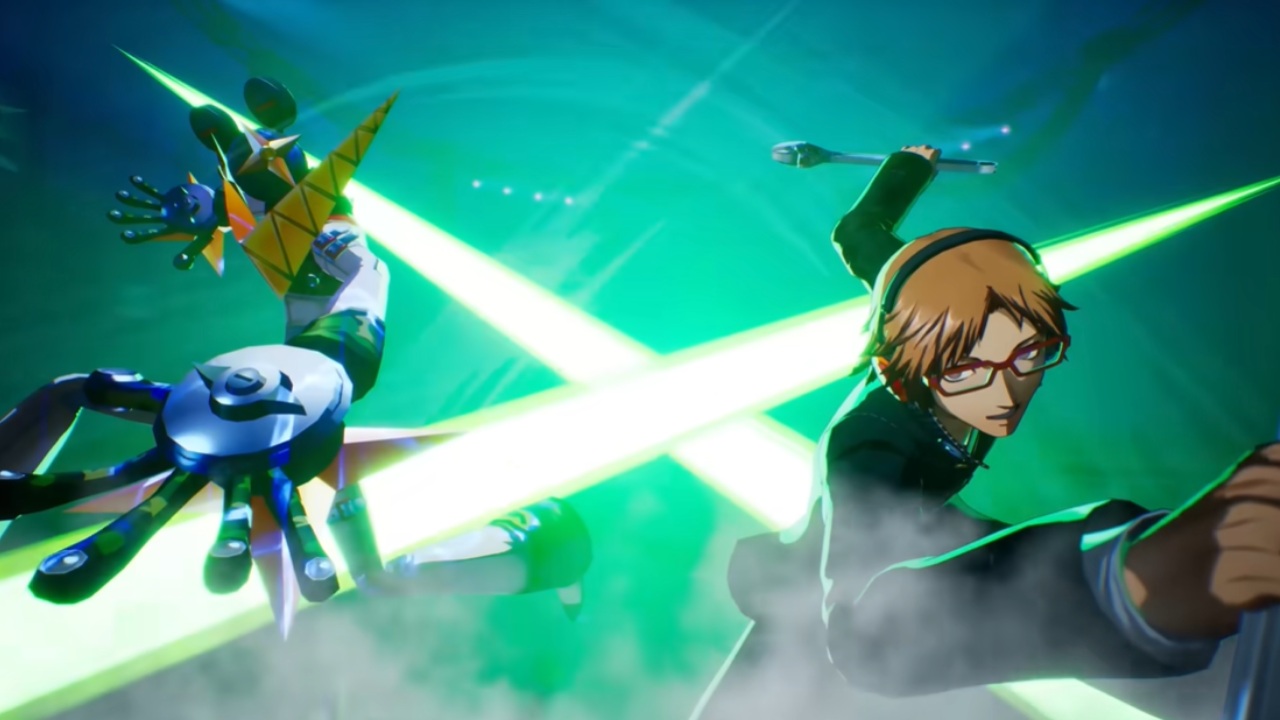
Combat has more flexibility, dungeons have more deliberate designs, nighttime activities are expanded, Social Links have more room to breathe, and quality-of-life features reduce some of the pressure created by the original calendar system.
Persona 4 Revival is scheduled to launch on PlayStation, XBOX, and PC in February 2027, with the Nintendo Switch 2 version following in May 2027. Persona 4 Revival is still several months away, and more details could emerge before launch. Still, the announced changes already point toward a version of Inaba that feels familiar while giving you considerably more freedom.
For longtime fans, that balance may be the most important part of the project. Persona 4 Revival keeps the foundation of the original adventure while rebuilding many of the systems surrounding it. The remake is shaping up as a modern take on the RPG, not just a straight copy. It brings a new look, more story, reworked combat, extra stuff to poke around in, and a calendar that doesn't box you in as much.
Editor, NoobFeed
Latest Articles
No Data.