
Will Playing Against Bots Be More Interesting Than Playing Against Humans, All Thanks To AI?
Other by John Snow on Dec 01, 2025
If there's anyone used to AI, it's gamers. We had bots long before anyone even knew what that was, and we're all guilty of those late-night venting sessions where those poor bots would get massacred out of pure boredom.
And if anyone is concerned with unwanted AI intrusion, it's us gamers again. Because we don't want games turning into bot-dominated entertainment. Are we rightfully concerned?
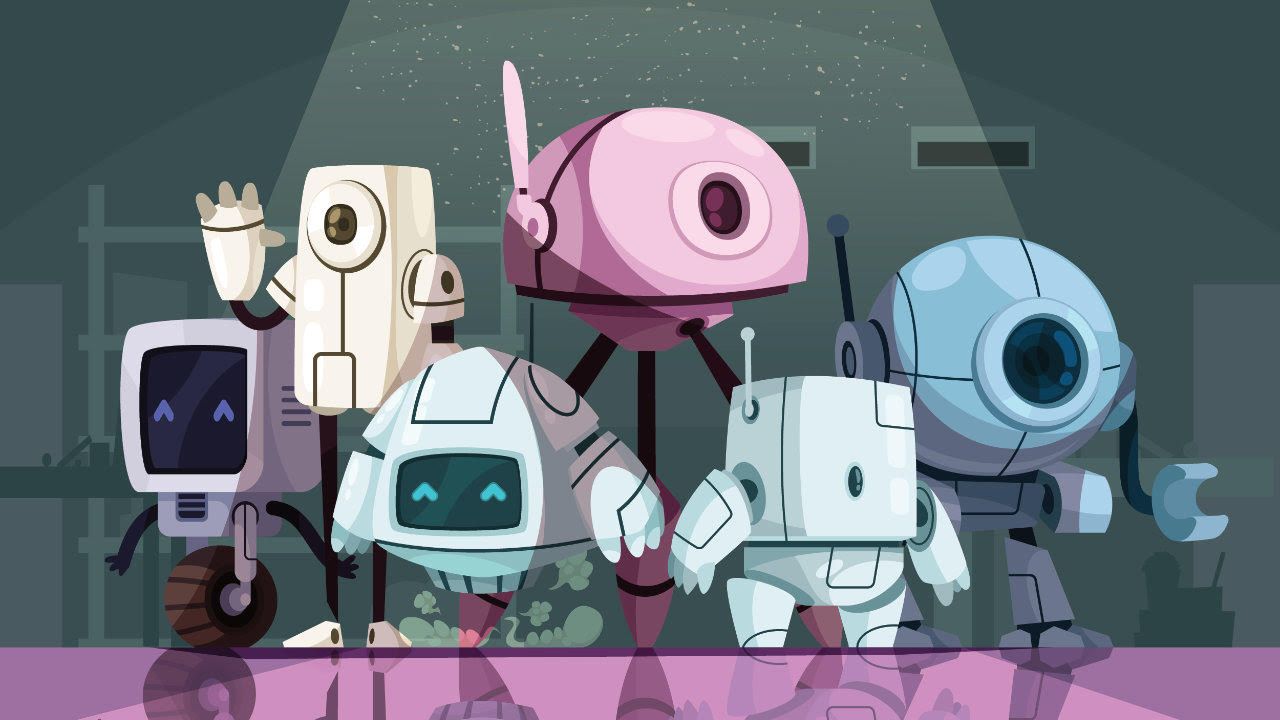
Why AI Won't Kill Gaming
I think my best argument here is chess. When IBM's Deep Blue beat Garry Kasparov in 1997, plenty of people figured that was it for competitive chess. Why bother playing when machines were already better than the best human alive? The game would become a museum piece, something we'd admire from a distance while the computers did the real work. Funny thing about that.
Chess is more popular now than it's ever been. Online play exploded during the pandemic, sure, but the growth started way before that. Turns out, knowing that computers are better doesn't make humans less interesting to watch or play against. If anything, it made the whole thing more compelling.
The Thing About Modern Game AI
Game AI used to be deliberately dumb, not because developers couldn't make it better, but because "better" meant "more fun to play against," which usually meant predictable, exploitable, and occasionally prone to doing something hilariously stupid that made you feel clever.
That was the deal. The AI in your favorite shooter would peek around corners at exactly the wrong time. Racing game opponents would brake too hard on certain turns. In a strategy game, enemies would send their armies marching into obvious traps. This was by design. The bots were there to make you feel like a good gamer.
Modern AI doesn't really do that anymore. Or rather, it can, but it can also do a ton of other stuff. Machine learning models trained on thousands of hours of gameplay don't just learn the rules. They learn the meta, the strategies, the weird little tricks that human players discover and exploit. They learn to adapt.
DeepMind's AlphaStar beat professional StarCraft II players. OpenAI's Dota 2 bots took down world champions. These systems were not scripted or followed any decision trees. Instead, they learned the game from scratch, analyzed hundreds of thousands of real matches, and got good at it. And they did it without needing lightning-fast reflexes or inhuman precision (mostly).
They just understood the games really, really well. This goes beyond gaming and can be found in conversational systems, too. Yes, chatbots. It doesn't matter which one you choose, the best AI girlfriend chatbots or the general ones; they all learn from your behavior and apply it depending on their specialization.

The Case for Bots Being Better Opponents
So what happens when you take that technology and point it at the average gaming experience? Potentially, something kind of interesting. Think about the last time you played a multiplayer game. Maybe it was great. Maybe you got matched with people around your skill level, everyone was trying their best, nobody was throwing matches or being toxic in chat, and you had a good time.
Or, most likely, it was a mess. Someone quit halfway through. Another player was either vastly better or worse than everyone else. Someone spent the match yelling slurs into their microphone. Multiplayer gaming is great when it works, but it works less often than we'd like. The matchmaking is imperfect, the community behavior is unpredictable, and sometimes you just want to play a quick match without dealing with other humans and all their chaos.
Bots, on the other hand, show up on time. They don't rage quit. They can be tuned to match your skill level almost exactly. Want a slightly tougher challenge today? The AI can adjust. Having a rough day and need something more relaxing? The AI can do that too. And here's the weird part: bots might actually be more interesting than predictable human opponents.
If you play enough matches against the same group of people, you learn their patterns. Jim always rushes early. Sarah camps in that one spot. When an AI is trained to adapt based on how you're playing, it can keep you guessing in ways that familiar human opponents can't. There's this thing that happens in strategy games where the AI studies your approach and starts countering it.
Not in a cheap, "the computer is reading your inputs" way, but in a "this system noticed you always expand west, so it's defending that side harder" kind of way. That's legitimately interesting. That's an opponent that's actually responding to you specifically, not just following a script.
The Human Element is Still the Human Element
Of course, this all assumes something that might not be true: that we actually want opponents who are perfectly tuned to our skill level and learning patterns. Humans are weird. We're inconsistent, emotional, occasionally brilliant, and frequently stupid. We tilt, we pop off, we make desperate Hail Mary plays that shouldn't work but sometimes do. That unpredictability creates stories.
Can AI replicate that? Maybe. Machine learning models can be taught to occasionally take risks or make "human-like" mistakes. But there's a difference between an AI that's programmed to act unpredictably and actual human chaos. One is simulated drama. The other is just drama. And let's be honest about something else: a big part of why we play competitive games is the social experience.
Beating a bot feels good, but beating another person feels better. There's an emotional weight to human competition that's hard to replicate with code, even really sophisticated code. When you pull off an amazing play against another person, you know they saw it. You know, they felt that moment of "oh no" or "what the hell just happened."

The Middle Ground is Probably Where This Lands
What seems most likely isn't a world where we all abandon human opponents in favor of AI. It's a world where bots become genuinely good alternatives for specific situations.
Single-player campaigns already use AI opponents (obviously), but imagine if those opponents were significantly smarter and more adaptive. Imagine a game where the AI learns your playstyle over time and keeps adjusting to challenge you in new ways. Not harder in a "more HP, more damage" sense, but harder in a "this thing is actually thinking about what you're doing" sense.
For multiplayer, AI teammates and opponents could fill gaps in matchmaking. Can't find enough players for a full match? The AI slots in and actually plays competently instead of being dead weight. Need to practice against certain strategies without annoying your friends? The AI can simulate those approaches.
The really interesting possibility is mixed matches. Humans and bots on the same team, working together. Bots that can fill roles that human players don't want to play. Support characters that nobody picks in solo queue. Tank roles that require coordination most random teammates won't provide.
If the AI is good enough and responsive enough, that could actually work. You'd get the social experience of playing with other people, but without some of the frustrations that come with it.
We'll See What Happens
This whole conversation feels like it's happened before, because it has. Every time a new technology shows up in gaming, people worry it'll replace something essential about the experience. Voice chat would kill local multiplayer (it didn't, but distance did). Esports would kill casual gaming (nope). Free-to-Play would ruin everything (jury's still out on that one, to be fair).
AI opponents are just the latest version of this anxiety. They'll get better, probably much better, and we'll find ways to incorporate them that make gaming more accessible and more fun for certain situations. But humans will keep playing against other humans, because competition is social, and winning is more satisfying when there's another person on the receiving end of it.
The chess comparison holds up. Computers demolished humans at chess decades ago. People still play chess, watch chess, and care about human chess tournaments. The bots are there, doing their thing at a superhuman level. Meanwhile, humans are doing their thing too, and both can coexist just fine.
Maybe bots will be more interesting than humans in specific ways. Better teachers, better practice partners, better fill-ins when matchmaking fails. But more interesting is the primary way we experience competitive gaming. That seems unlikely. We're too social, too competitive with each other, too invested in the weird drama of human versus human.
The bots will get better. We'll use them more. Some people will even prefer them. But the rest of us will probably keep logging in to get absolutely destroyed by a 14-year-old with a funny username who's way too good at this game, and that's fine. That's the experience.
Here's hoping the AI can at least teach us how to stop getting spawn-camped.
Moderator, NoobFeed
Latest Articles
No Data.