
Preparing for Esports-Level WoW: Competitive Ladder Play
Other by Esha Kapoor on Feb 24, 2026
World of Warcraft is, on the surface, an MMORPG game about raids, dungeons, and mount collecting. Below that, it has a competitive ecosystem that resembles esports: Arena World Championship of PvP, Mythic Dungeon International of speedrunning keys, and global “race to world first” events for each new raid tier. The combination of them makes WoW a place where groups, brands, and hopeful professionals attempt to take the game to its extreme.
Most players will never stand on a broadcast stage; the same can be said of their own ascent on the ladder. Mythic+ scores and raid logs are rated in brackets, which transform into personal leaderboards. Screens, VOD reviews, and meta discussions, which were previously the reserve of tournament teams, are now common to high-end teams.
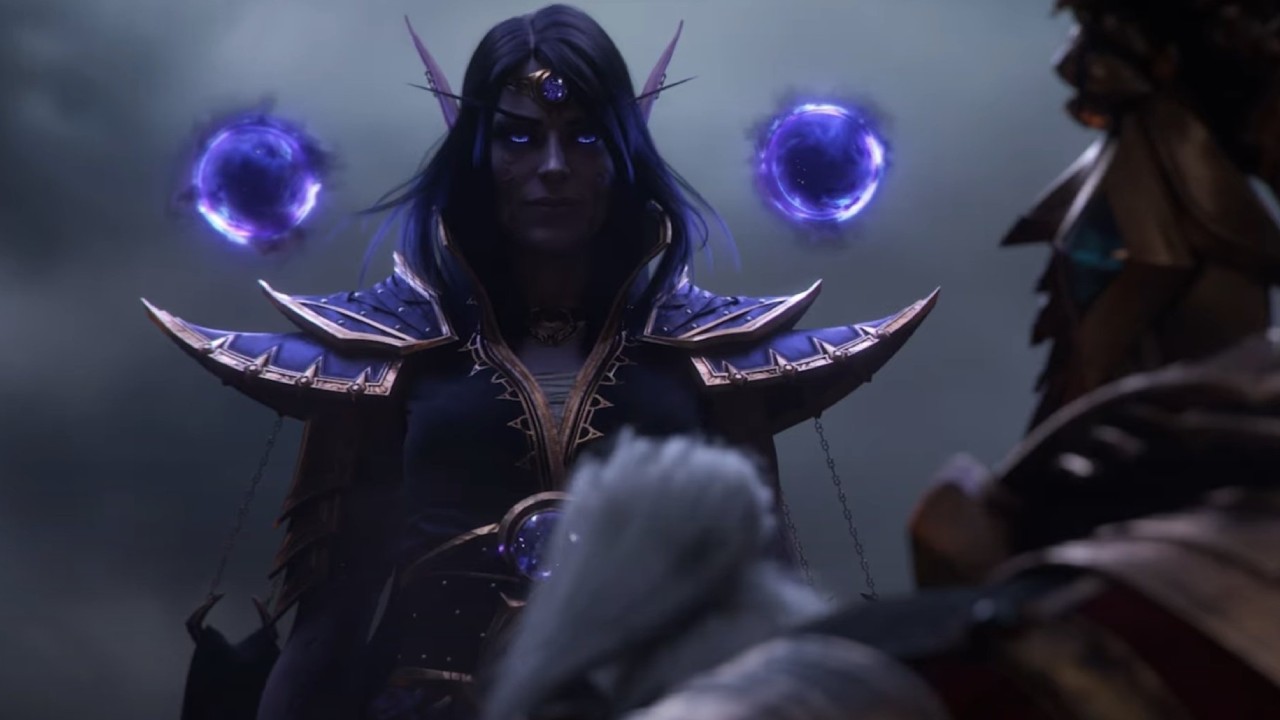
This article explores what “competitive” means in World of Warcraft, how players train to play esports in PvP and PvE, and where external assistance applies to that process without substituting the actual work that is important.
The Competitive Landscape of World of Warcraft Today
The success in World of Warcraft does not have one “official” ladder. Rather, the competitive identity of the game is distributed over a number of overlapping ecosystems.
Rated PvP and the Arena World Championship
To most, the simplest competitive model is PvP. Arenas and Rated Battlegrounds have visible ratings, seasonal rewards and an obvious sense of progression. To top it all, the Arena World Championship (AWC) transforms the high-level arena play into an international circuit of tournaments with qualification cups, regional brackets, and a final broadcast event.
In real life, most PvP players do not even interact with the AWC, yet they coexist within the same ecosystem:
- They construct compositions that resemble the AWC meta.
- They quantify the progress by rating milestones.
- They learn using VODs of tournament games.
The disparity between a 2.4k player in ladders and an AWC player is not necessarily as much of a difference in pure mechanics, but rather of structure, discipline and access to stable teammates.
Mythic+ Esports and Mythic Dungeon International
Mythic+ has now become a competitive discipline on its own on the PvE side. The Mythic Dungeon International (MDI) features teams competing by pushing the same high keys on predetermined affix combinations, competing against one another and the timer instead of competing against scripted raid encounters.
To serious Mythic+ players, that tournament ecosystem is important even when they do not sign up:
- It determines what specs and routes are to be regarded as “meta”.
- It affects the way that groups consider applicants in LFG.
- It determines the expectations of pulls, cooldown and skip usage.
Practically, all of the high-key push nights are miniature versions of MDI practice.
The Race to World First and Community Events
Lastly, the race to world first (RWF) is in a gray area between professional esports and fan event. Guilds devote time, training and resources to a successful landing of the first clear of a new raid on the most difficult difficulty. Those races are transformed into multi-day events by streams, analysts and sponsors.
The same attitude is taken even by guilds much lower in rank:
- Crafting progression schedules.
- Assigning roles beyond healing and DPS, such as strategy leads or log analysts.
- Considering every raid tier as a season with its objectives and stories.
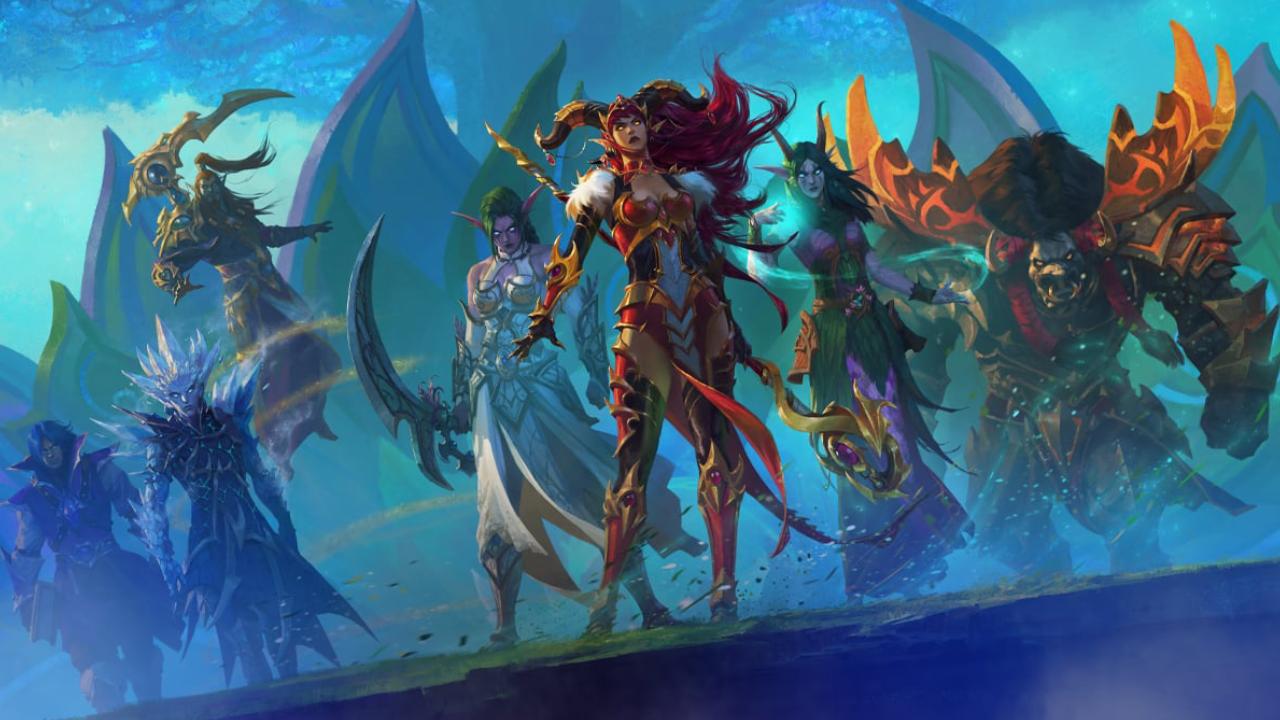
These three pillars, arena, Mythic+ and raiding, combine to spell out what competitive WoW is in reality.
From Ladder to Esports: What It Means to Be Tournament-Ready
It is not as simple as being good at World of Warcraft and being prepared to work in an esports environment. Tournament-ready players are more structured and intentional in their approach to the game.
Mechanical Fundamentals and Class Depth
On the base level, there are mechanical skills:
- Clean keybinds and camera control.
- Constant uptime during damage or healing.
- Interrupt reliability, defensives and utility.
Above that is the depth of classes. Players on the tournament level can:
- Switch between different specs based on the meta.
- Know the breakpoints of secondary stat and talent interaction.
- Not just follow a guide on how to play a build in a particular matchup or dungeon, but explain why it works.
This richness enables them to adapt to the change of balance or the emergence of new systems rather than being confined to one playstyle.
Communication, Shotcalling and Team Systems
Playing on the esports level is hardly ever about personal brilliance. Popular arena teams, Mythic+ teams and raid rosters are more of a small organization than an ad-hoc group:
- Roles are obvious: who calls cooldowns, who monitors enemy defensives, who changes tact in the middle of the run.
- There are communication rules: what information is relevant, the way of delivering it and when it is better to be silent than to be noisy.
- There are feedback loops: teams analyse what went wrong and how things have changed between attempts after matches or keys.
This makes play sessions more of a structured practice and not the “night of random gaming”.
Discipline, VOD Review and Practice Schedules
The last is the discipline layer. Esports-oriented players:
- Continue practicing regularly rather than just logging in when they “feel like doing so”.
- Record VODs of important games or keys and review them with teammates.
- Set specific goals for each session: map practice, comp testing, or focus on particular mechanics.
All this is possible well before a team even registers for AWC, MDI, or a third-party event. The point is that the ladder should be considered a proving ground, rather than an end in itself.
Using External Support to Bridge the Gap to High-Level Play
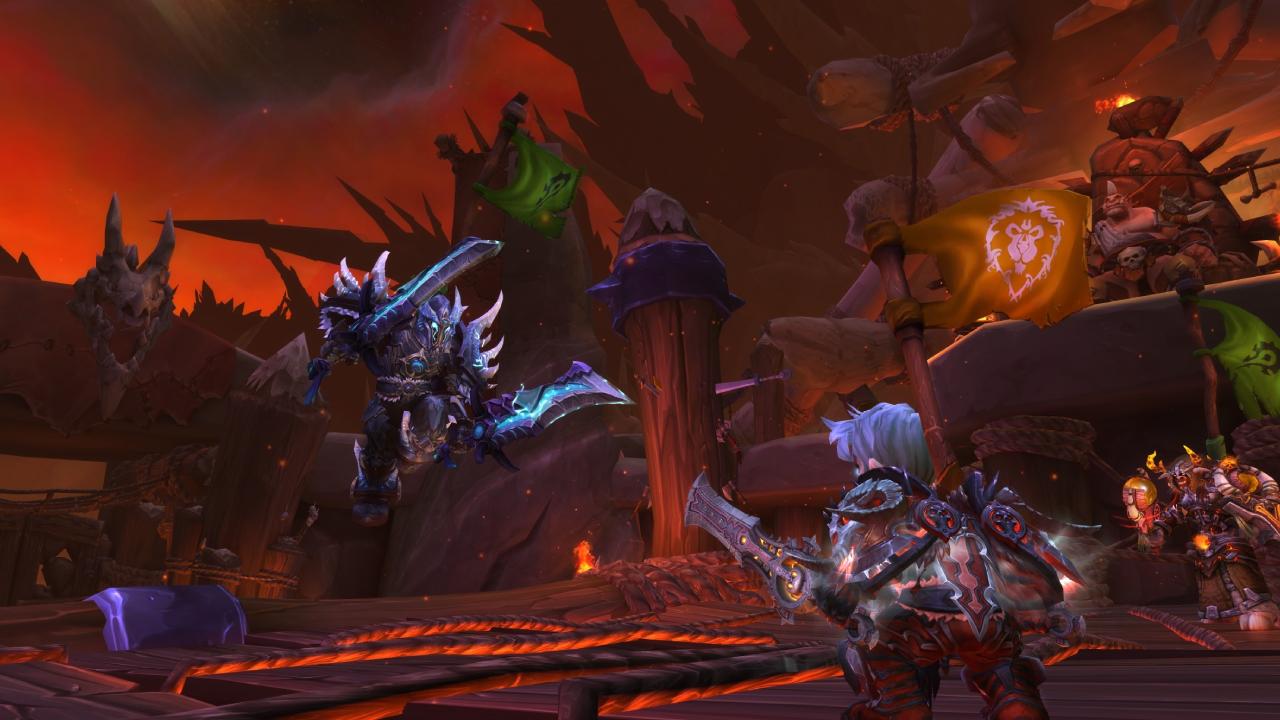
The leap between being a “strong ladder player” and an esports-ready player is much less when one has time, consistent teammates, and predictable schedules. To the rest, there are bottlenecks that are not really about skill, but more about logistics.
To some of these players, this is where WoW boost comes in as an expedient tool instead of a quick fix to the inept. It is not the notion of creating ability magic, but of eliminating a few time-wasting obstacles in order to allow practice to be used on actual high-value work.
This can be explained with regard to a few typical use cases:
- A gamer with knowledge of the arena basics and is languishing far below his inherent skill since he can only find random partners may employ a specific WoW boost to attain the rating range where more serious teammates are seeking long-term strategic partners.
- A would-be tank or healer with mechanical solidity but ineligible to high Mythic+ keys can join established groups through a World of Warcraft carry, as well as get the score and experience of higher-level routes.
- Those teams interested in transitioning to semi-competitive to casual raiding can use a limited WoW boost service to clear certain bosses or obtain important trinkets prior to a tournament or community event.
Combined, these alternatives create a larger ecosystem of WoW boosting services. Most of the packages in the present-day era are specifically branded on the most recent expansion, thus such labels as WoW TWW boost or more general The War Within boosting offers that aim at preparing accounts to the high-end content of that expansion.
In both instances, the outside assistance is sealing a scheduling or access disconnect, not feigning to substitute the necessity of mechanical development or coordination of a team.
The practical utility is straightforward: the players will spend less time struggling with untrustworthy PUGs and more time training in the conditions that appear to be more akin to an esports setting.
The War Within Era: Systems That Shape the Competitive Meta
Every expansion reshapes the foundations of competitive WoW. The War Within, as the tenth expansion and the opening chapter of the Worldsoul Saga, is no exception.
Hero Talents, Warbands and Delves in Competitive Environment
A number of the main features of The War Within directly apply to competitive play:
- Each class and spec is given additional layers of specialization by Hero Talents, allowing more specific archetypes, and customizing builds to particular roles in arenas, dungeons, or raids.
- Warbands increase the account-wide progression, allowing players to manage their roster as one. This simplifies the process of having several competitive-ready characters to suit various roles or comps.
- Delves offer instanced content on a small scale, which can be used to practice rotations, cooldown planning, and micro-positioning without the need to commit to a dedicated raid night.
None of them are “esports modes” in themselves, but they alter the level of efficiency with which competitive players can prepare and the flexibility of their rosters.
AWC, MDI and The War Within Tournament Season
On the official esports side, The War Within era continues the Arena World Championship and Mythic Dungeon International circuits, with seasonal cups feeding into War Within-branded finals and a dedicated prize pool.
For players looking up at that level, the message is clear:
- Tournament organizers are committed to treating WoW as a serious competitive title during this expansion.
- There is value in aligning personal ladders, practice routines and team goals with the seasonal structure of AWC and MDI.
- The meta seen on broadcast is a direct reference point for what “good” looks like in the current patch.
The War Within, therefore, sets expectations not only for content but for what a modern WoW training pipeline should resemble.
Building a Sustainable Esports-Oriented Routine
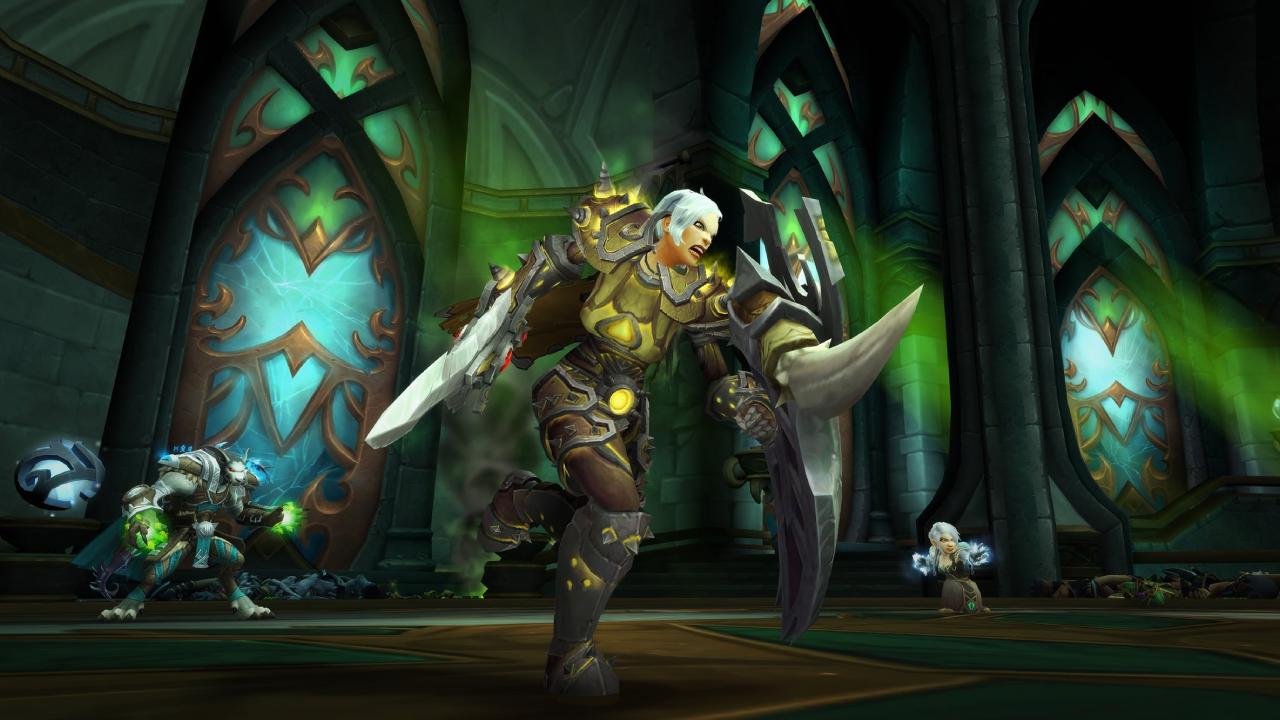
It is simple to desire to climb, but it is more difficult to do it in a manner that will not cause burnout. The teams and players that remain the same over the seasons are likely to do some things differently.
To begin with, they are realistic in terms of constraints. They are also aware of the number of hours they can dedicate in a week and base their objectives on those hours rather than on imaginary times. There is nothing wrong with a roster consisting of three working adults and two students training differently from a group of full-time streamers.
Second, they prioritize. Not all the metrics are equally important. Other groups prefer to spend a lot of Mythic+ score and believe that they will make slower progress in their raid. Other people are concerned with arena ratings and use PvE as a means of gearing up. That is what makes it easier to say no to distractions.
Third, they diversify tools. Guides, add-ons, weak auras, coaching, scrim partners, and, where relevant, external services are all within the same toolbox. Professional appearance is not being unwilling to assist, but is a matter of choosing the appropriate kind of assistance at the appropriate time.
Climbing Without Burning Out: Final Thoughts
Competitive World of Warcraft is on a continuum. On one end, there are casual players who sometimes queue rated content; on the other end are teams that travel to LAN events, play under org banners, and consider each patch a new contract cycle. The majority of players are in the middle of these extremes, yet they are tempted by the ladder and the prospect of performance on the esport level.
To that intermediate group, success is less about raw talent and more about the organization of their ascendancy: developing a sound foundation, being serious about practice, and employing all the tools at their disposal to solve practical bottlenecks. There, WoW boosting is not like magic, nor a villain; it is merely one of the tools that could be used to make the real-life limitations and the in-game desires more consistent.
The way between the ranked ladder and something that resembles and feels like esports is not a race, but a long, manageable climb, one where the players will remain in love with the game long after the trophies of the current season have been distributed.
Contributor, NoobFeed
Latest Articles
No Data.