
Probably Stolen Guide | How to Make Master Vintage Wine
Here’s a guide on how to make Master Vintage Wine in Probably Stolen.
Game Guide by Jubair Baky on Nov 19, 2026
Master Vintage Wine in Probably Stolen depends on the ingredients placed in the Wine Bottle before fermentation. The quality is fixed when you press Start Fermenting. Aging raises the bottle’s value, but cannot improve its grade. Inspect every BloomBerry, use suitable water, and reach a score of at least six before starting.
Unlock winemaking through Wild’s Network
To begin, purchase the Retired Winemaker upgrade from Joe Wild’s Network for 200 Credits. You must have access to Wild’s Network, then select the Retired Winemaker referral. The purchase immediately gives you a Winemaking Starter Kit and unlocks the winemaking content.
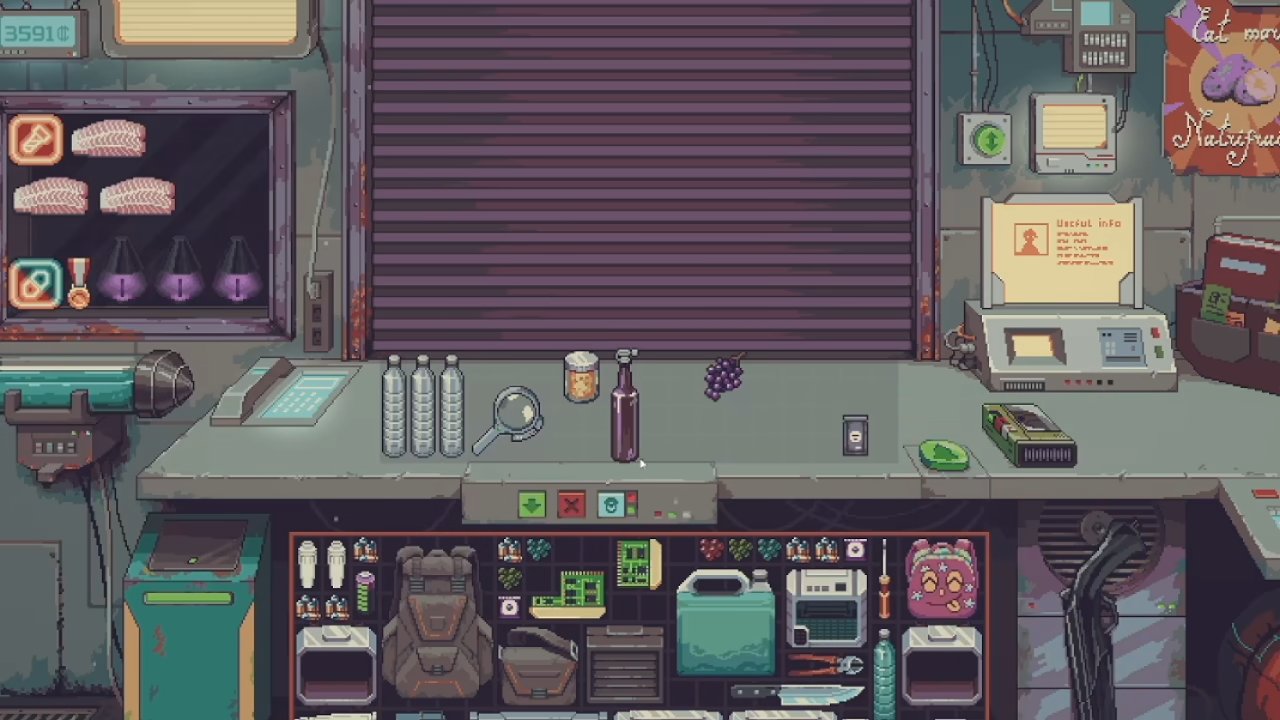
The starter kit contains three Wine Bottles, three Yeast, two BloomBerry bunches, a Water Ration, a Magnifying Glass, and the BloomBerry Wine Fermenting Guide. The Retired Winemaker visits the next day and then returns once a week with more supplies. The weekly stock includes BloomBerries, Wine Bottles, Yeast, and Water Rations, making this the most dependable source for ingredients.
You can also obtain BloomBerries from Hydroponic Farmers or grow them yourself from Bloomberry Seeds in a Hydroponic System. Growing your own gives you more control over supply, but do not assume every berry from the same harvest has identical quality. Inspect each one before using it.
Inspect every BloomBerry with the Magnifying Glass
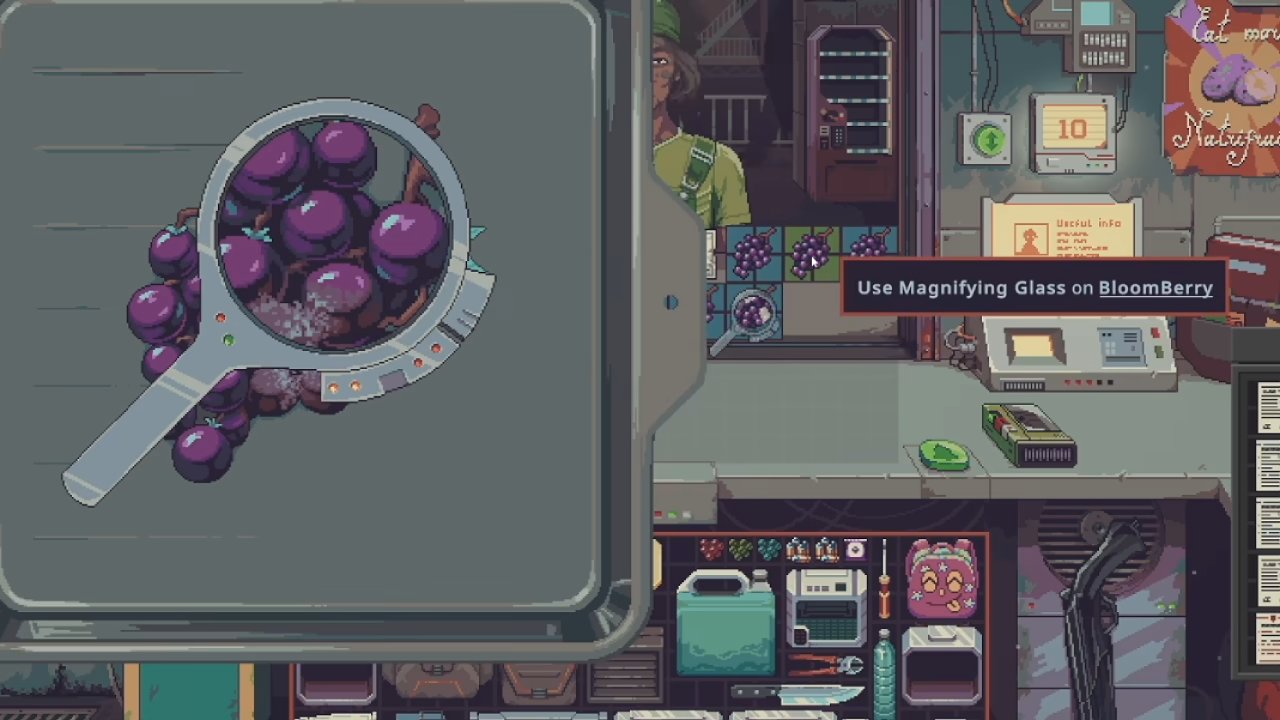
The Magnifying Glass reveals each berry’s condition. A Small BloomBerry has a stem at the top and is smaller than a normal bunch. A Normal BloomBerry is a full, dark-purple bunch without the stem. An Underripe BloomBerry is red or orange, an Overripe BloomBerry is wrinkled, and a Moldy BloomBerry has grey fuzz. Moldy berries often appear near the lower-left area of the inspection view.
Small berries are best for high-quality wine, and Normal berries are also useful. Underripe and Overripe berries add no points, while Moldy berries reduce the score. Sort your fruit before brewing rather than judging it only by size.
Understand the wine quality score
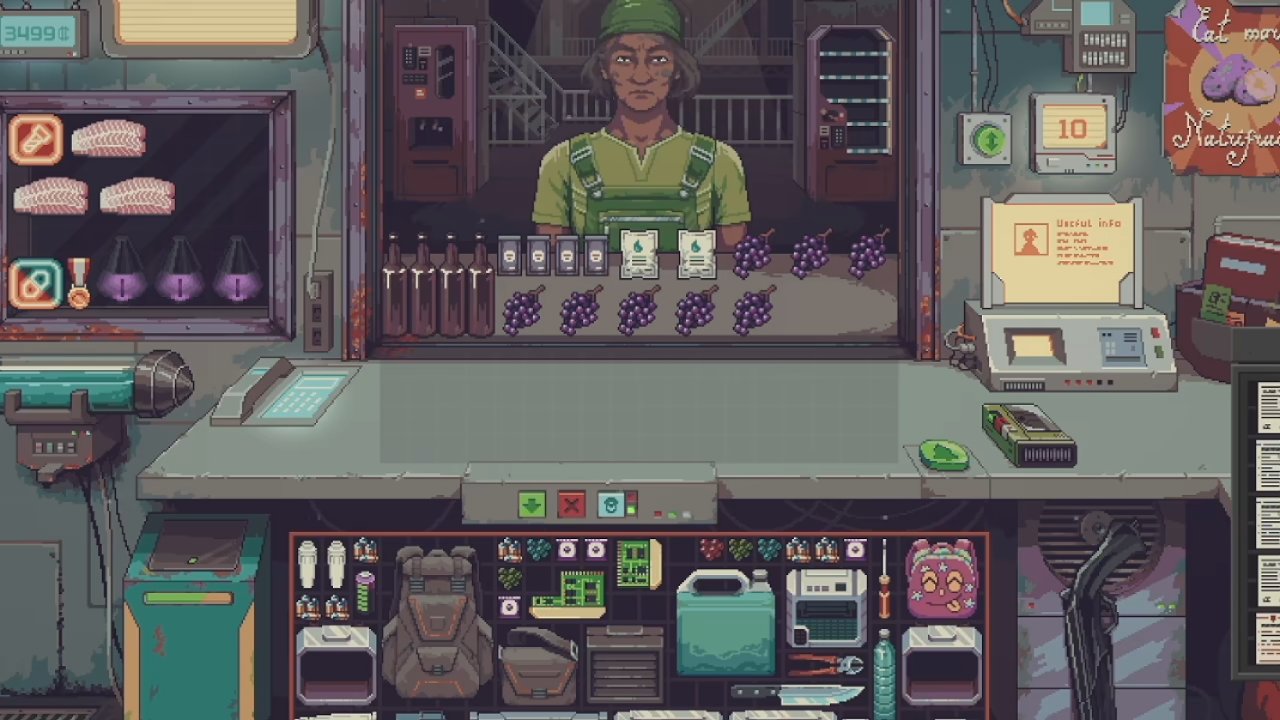
Each ingredient contributes to a hidden score, and Master Vintage requires six or more points. A Small BloomBerry adds two points, a Normal one adds one, Underripe and Overripe add zero, and Moldy subtracts one. Using two or more berries adds one bonus point. Yeast adds one point, and Pure Water or High-Quality Water adds one. Basewater adds zero; Ghostwater, Rustwater, and Gutterflow subtract one, two, and three points respectively.
High-Quality Water is a reliable choice. A poor water grade can ruin an otherwise good recipe. The Wine Bottle holds three berries or two berries with Yeast. Fill it with 750 ml of water and check the amount before starting, because the bottle’s capacity does not guarantee it contains the full volume.
Prepare a reliable Master Vintage recipe
The simple recipe is one Small BloomBerry, one Normal BloomBerry, Yeast, and 750 ml of High-Quality Water. The Small berry gives two points, the Normal berry adds one, using two berries adds one bonus point, Yeast adds one, and High-Quality Water adds one. That gives a total of six, which is enough for Master Vintage.
You can also use two Small BloomBerries with Basewater and Yeast. The berries contribute four points, the two-berry bonus adds one, and Yeast adds one, reaching six even without a water-quality bonus. This is useful if you have enough Small berries but want to save your High-Quality Water for other batches.
Avoid using Moldy berries in any recipe intended for a high grade. If you have only Underripe and Overripe berries, you can still use them together for a lower-grade batch. They add no berry points, but the two-berry bonus, Yeast, and High-Quality Water can bring the total to three, producing Production Wine. This is a way to use fruit that would otherwise be wasted, but it will not make Master Vintage.
Add water and Yeast before starting fermentation
Fill the Wine Bottle with 750 ml of water, then add the berries and Yeast through the bottle’s ingredient interface. High-Quality Water is the recommended choice because it adds one point without the uncertainty of lower water grades. Pure Water gives the same score bonus, but the BloomBerry Wine Fermenting Guide warns that it lacks minerals needed for fermentation. To avoid that conflict, use High-Quality Water for the repeatable recipe.
Yeast has two benefits. It adds one point to the quality score and makes fermentation faster. Without Yeast, a bottle takes four nights to finish. Standard Yeast or a Yeast Bioreactor reduces the time to two nights, while Super Yeast can finish the batch in one night. The Yeast Bioreactor is reusable: after you start fermentation, it returns to your inventory instead of being consumed.
Do not use Synthetic Yeast for ordinary Master Vintage. It is contraband and turns the batch into GloomBerry Wine rather than normal BloomBerry Wine. Once all the ingredients are inside, check the water volume and score calculation again. Only press Start Fermenting when the bottle contains the recipe you want.
Start fermentation and protect the finished grade
Press Start Fermenting when the bottle is ready. From this point, the quality grade cannot be changed. The wine will continue fermenting for the number of nights determined by the Yeast you used. When it finishes, check the bottle to confirm that it has become Master Vintage.
A bottle with a score below six will become a lower grade such as Reserve, Production Wine, Homebrew, Bucket Brew, or Undrinkable. You can still sell lower-grade wine, but it will not have the same value as Master Vintage. If the result is not what you expected, check the berry condition, water quality, and Yeast in the next batch. Change one ingredient at a time so you can identify what caused the score to fall.
Age Master Vintage with the AgeWell
Finished wine gains value as it ages. Each night after fermentation, the bottle gains additional age and value. Master Vintage increases by about six Credits per day in the example, so storing good bottles can be more profitable than selling them immediately.
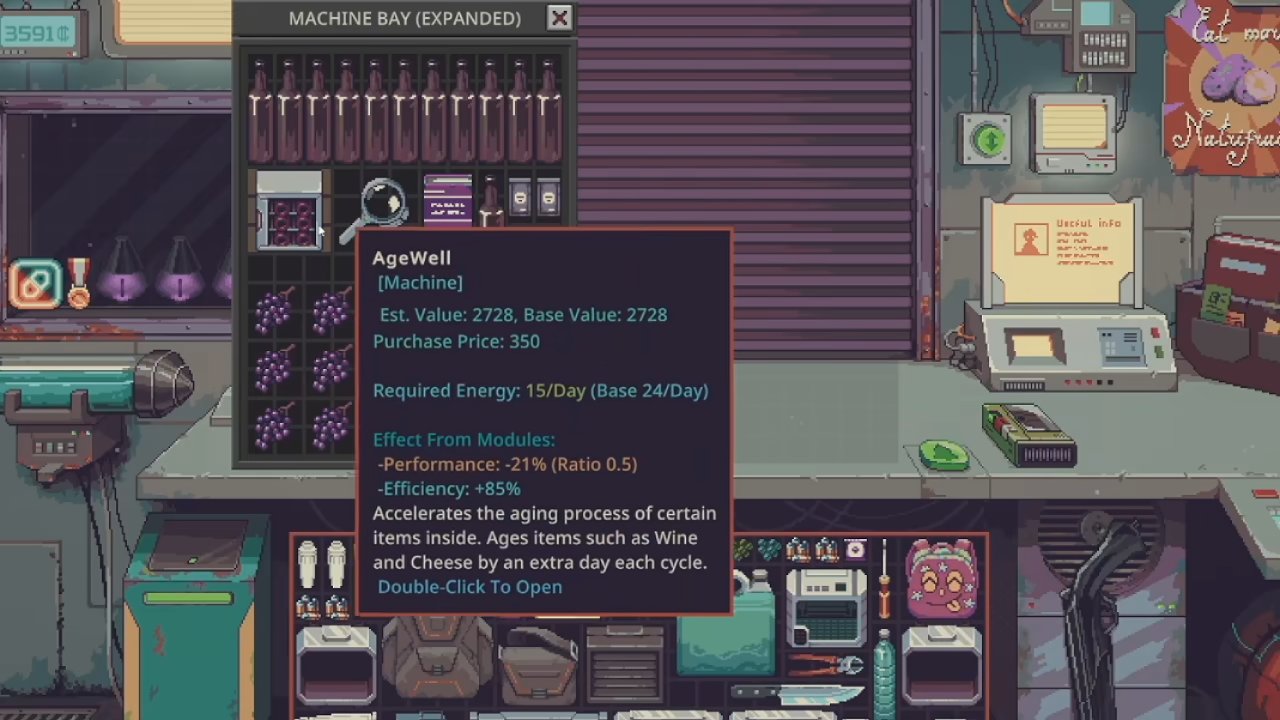
The AgeWell, sold by Dr. Jackson, speeds up aging. It holds six Wine Bottles and needs a battery. When powered, it gives each finished bottle an extra day of aging per cycle, effectively doubling the normal rate. Filling all six spaces with Master Vintage can add about 36 Credits in extra value per night in the example.
Make good wine before spending money on an AgeWell. The difference between a lower grade and Master Vintage is worth more than many nights of aging. Once you have a steady supply, the machine is useful for increasing bottle value while you wait for customers.
Sell the wine for a better return
Keep Master Vintage in the Display Case for customers who can afford it. Hedonists who see it there have large budgets, so displaying a couple of bottles can attract buyers with enough money. If you also sell Red Imp Beer, pair wine sales with the large beer crates to clear stock.
Wine Bottles may become the limit on production before berries do. Buy more during the Retired Winemaker’s weekly visit, or grow BloomBerries in a Hydroponic System. Inspect every harvest because berries from the same bush can have different conditions.
Make Master Vintage by combining two suitable BloomBerries, Yeast, and 750 ml of High-Quality Water for a score of at least six, then age the finished bottles in an AgeWell to increase their value.
FAQ
Q. When is the quality of wine decided?
A. The score is locked when you press Start Fermenting. Changing or adding ingredients afterward will not improve the grade.
Q. Which BloomBerries are best for Master Vintage?
A. Small BloomBerries are best at two points each. Normal berries add one point, while Underripe and Overripe add none, and Moldy berries subtract one.
Q. Can you make Master Vintage with Basewater?
A. Yes. Two Small BloomBerries, Basewater, and Yeast reach six points: four from the berries, one for using two berries, and one from Yeast.
Q. How long does wine take to ferment?
A. Without yeast, it takes four nights. Standard Yeast or a Yeast Bioreactor takes two nights, while Super Yeast takes one.
Editor, NoobFeed
Latest Articles
No Data.