

Project Helix and the Future of Shader Compilation Stutter on PC Gaming
Project Helix introduces a unified hardware approach that highlights the ongoing challenge of eliminating shader compilation stutter on diverse PC systems.
Hardware by Katmin on Apr 08, 2026
PC gamers have been dealing with the annoying shader compilation delay for a long time. Console platforms have mostly been able to sidestep this problem, or totally avoid it.
With the introduction of the project helix hybrid console idea, people are wondering if a single architecture like this could help reduce or even get rid of shader compilation stutter on the PC platform. They are also wondering how developments like this might affect the future of PC game optimization.
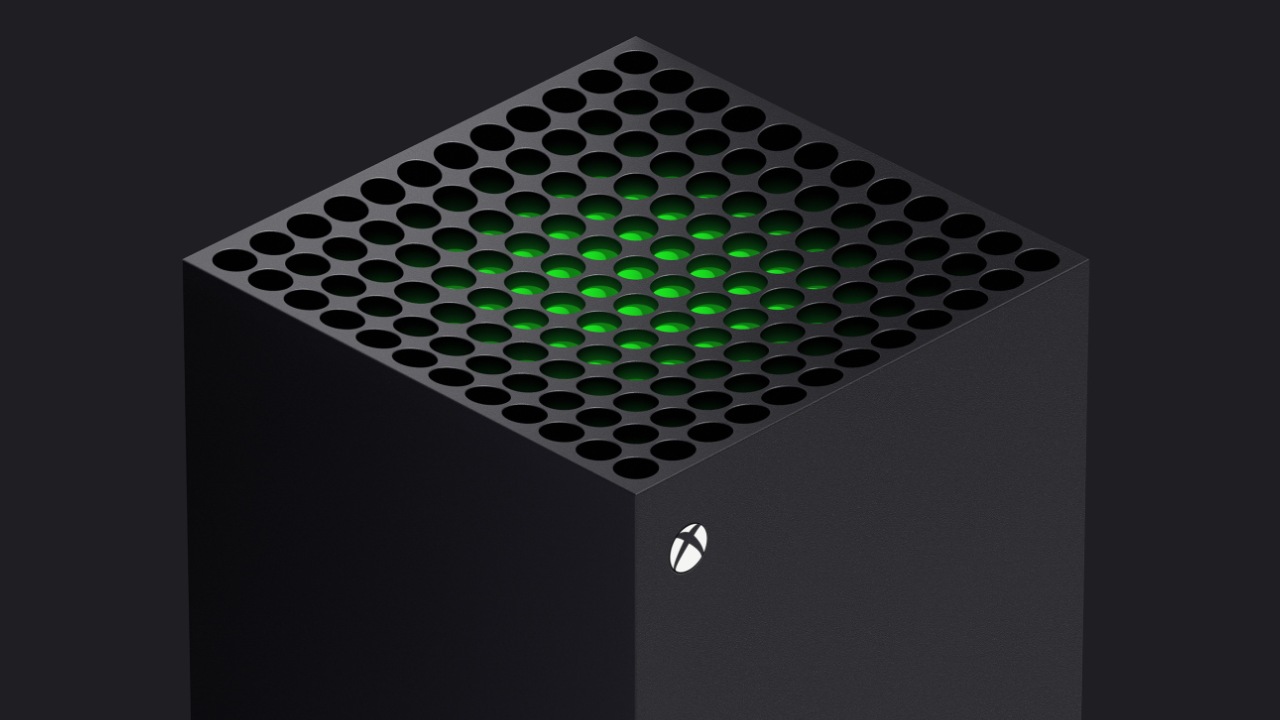
Why Shader Compilation Stutter Exists on PC
The problem with shader compilation is that there are so many different types of GPU hardware. There are many distinct kinds of GPUs, and even within the same family, there are differences. For each of these, you need shader code compiled specifically for that device.
Things are really different on consoles. A console is a fixed platform, so developers only need to create one set of shaders for that type of hardware. When the shaders are done, they are packaged with the game, so there is no need to compile them at runtime, which prevents stuttering.
How Project Helix Fits Into the Picture
Project Helix, assuming it includes a console-like partition or operates as a fixed platform, follows the same principle as traditional consoles. Developers can precompile shaders and include them with the game download. As a result, there is no shader compilation stutter on that side of the system.
But this benefit doesn't apply to the whole PC ecosystem. The same problem with hardware diversity still exists unless you are just utilizing a helix-like device as your PC. The PC side still has to deal with a wide range of GPU setups; it doesn't make sense to send over precompiled universal shaders.
Emerging Solutions From Industry Players
There are still efforts to fix problems with shader compilation. Microsoft is working on enhanced shader delivery, which will send precompiled shaders to specified hardware setups to reduce or eliminate stuttering. At first, this method may only work with a small number of systems, but the goal seems to be to expand its support to more systems in the future.
Intel has also developed its own fallback approach if Microsoft's solution does not scale effectively. Because Intel's Arc lineup has a relatively small number of GPUs, deploying such a system is more manageable.
The problem is much bigger for businesses like AMD and Nvidia. Since there are hundreds of GPUs, each one needs its own shader handling. This makes scaling these solutions much harder.
Limitations of Scalable Shader Solutions
Advanced shader delivery methods struggle to work with many different titles and setups. They look promising in controlled settings, but it's yet unclear how well they work across the whole PC ecosystem.
Even with innovations like Project Helix, the benefits are largely confined to fixed hardware environments. The flexibility that defines PC gaming is also what complicates shader optimization.
.jpg)
Lessons From Steam Deck and Localized Solutions
Devices like the Steam Deck show how to reduce shader compilation issues in a PC-adjacent setting. The main benefit is that it has a stable hardware setup that lets shaders be distributed ahead of time.
Fossilized shaders and other technologies are also quite important. These work on your computer, such as enhanced shader delivery, and usually work well in practice. They reduce the need for recurrent compilation and speed things up by caching and reusing built shaders.
The Road Ahead for PC Optimization
The reality is that no single solution is likely to completely eliminate shader compilation stutter across all PCs. The diversity of hardware ensures that some level of complexity will always exist.
Within its own ecosystem, Project Helix might offer a near-console experience. However, the broader PC landscape will still depend on small improvements such as better shader caching, more intelligent delivery methods, and simplified APIs.
Finally, the balance between hardware flexibility and performance consistency is central to the task. For the time being, shader compilation stutter is an issue that the PC platform will have to deal with.
Also, check our other hardware articles:
- AMD Ryzen 9 9950X3D Review: Setting The Standard For 2025 Gaming CPU
- Amazon Luna 2025 Review: Is Prime Gaming's Cloud Service Your Go-To For Casual Fun?
- AMD RX 9070 XT Review: AMD's RDNA 4 Champion for 1440p Gaming
- GeForce Now Ultimate: Ditching Your Gaming PC For Cloud RTX 4080 Power?
- NVIDIA GeForce RTX 5080 Review (2025): Still A 4K Gaming Powerhouse?
- Intel Core Ultra 9 285K Review And Performance Breakdown (2025)
- AMD Ryzen 7 9800X3D Review: 3D V-Cache Goes God Mode with Stunning Gaming Performance
- Intel Core Ultra 9 285K vs AMD Ryzen 7 9800X3D: In-Depth Gaming Performance and Benchmark Comparison
- NVIDIA GeForce RTX 5080 Super Performance In Cyberpunk 2077: Path Tracing & DLSS 4.0 Tested
- AMD Radeon RX 9070 XT In Cyberpunk 2077: Ray Tracing & FSR 4.0 Tested
- Intel Arc B580 Review: The $250 GPU Revolutionizing 1440p Gaming
- Intel Arc B570 Vs. B580: Value, Specs, And Real-World Gaming Performance
- RTX 5090 Laptop Vs. M4 Max MacBook Pro: Ultimate Raw Performance Vs. Battery Endurance
- Intel Arc b580 Vs. RTX 4060: Game Performance And Value Analysis
- RTX5090 Hell Is Us Demo 4K Ultra Benchmark: DLSS Vs. Native Performance Guide
- NVIDIA RTX 5070 Review: Mid-Range Muscle or Marketing Hype?
- Nintendo Switch 2 Review: Handheld Performance, Features & Value Breakdown
- RTX 5070 Ti Review: Performance, Thermals & Power Efficiency Tested
- Samsung Odyssey OLED G81SF Review 2025: Ultimate 32-Inch QD-OLED Gaming Monitor
- AMD RX 9070 Performance Review: Thermals, Clocks, and Real-World FPS
- AMD Ryzen 5 7600 Review: Best Budget Gaming CPU of 2025?
- AMD Radeon RX 7800 XT Review: RDNA 3 Power For Midrange Gaming
- Asus ROG RTX 5090 Astral OC Vs. Founders Edition: The 4K Gaming Benchmark
Senior Editor, NoobFeed
Latest Articles
No Data.