
PS5 Pro 2025 Model 7121 Review: Lighter, Quieter, and More Efficient
Small internal adjustments make the 2025 PS5 Pro model lighter and quieter while maintaining identical gaming performance.
Hardware by Tanvir Kabbo on Oct 18, 2025
Sony has quietly released a new version of the PS5 Pro, designated as model number 7121. The revision followed just a few weeks after the company refreshed the PS5 Slim, which was mainly a cost-optimized version with a smaller SSD.
While on the surface this new PS5 Pro may look almost identical to last year's 7019 model, there are a few subtle yet interesting differences worth exploring.
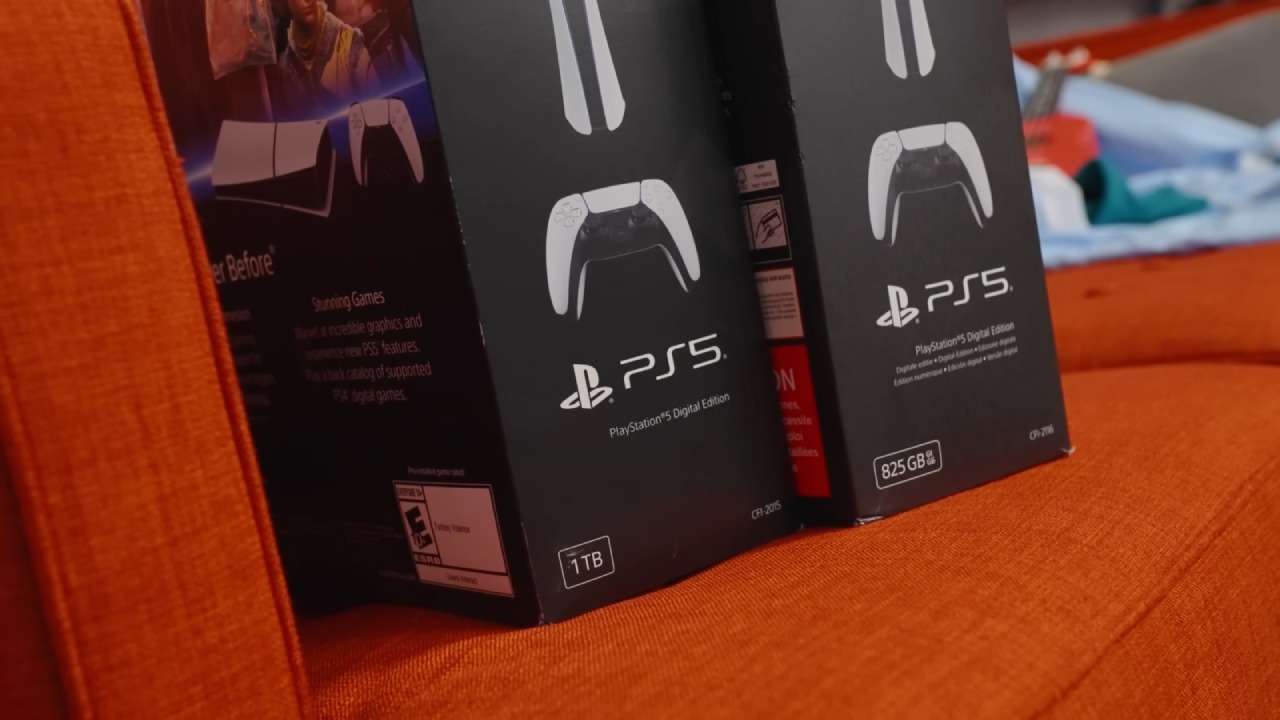
First Impressions
When you take it out of the box, it doesn't look like this console is any different from the last one. The box comes with the normal power cord, a plastic stand, and the DualSense controller. The controller seems the same at first glance, but it has a distinct model number. Rumors suggested that the new DualSense would feature easier battery replacement, prompting us to take a closer look.
Comparing the PS5 Pro Models
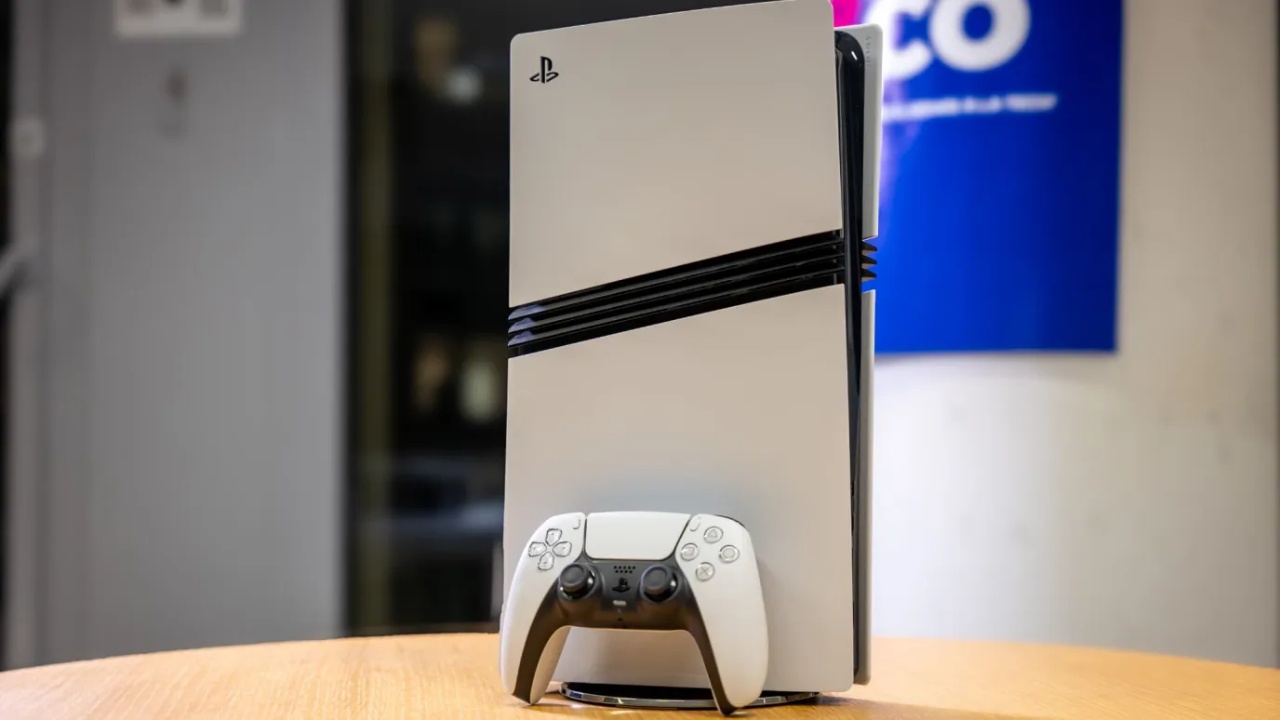
Side by side, both the old and new PS5 Pro units maintain the same glossy finish, unlike the matte design on the newer Slim models. Checking the bottom labels confirms the updated model numbers: the original PS5 Pro bears 7019, while the new one carries 7121.
We ran some basic tests to measure any immediate differences. The original PS5 Pro weighs 3.1kg, while the new model weighs slightly less at 3.016kg—about an 87g reduction. The DualSense controllers, meanwhile, showed negligible variance, weighing 277g and 276g respectively.
Power Efficiency and Thermal Performance
The first performance testing show that the 2025 PS5 Pro uses roughly 3–4% less power than the 2024 version. The amount of power used when idle is almost the same, but when playing Astro's Playroom, the newer model uses a little less power. This suggests that the changes are minimal and don't include replacing important parts.
Thermal tests showed that the temperature didn't change much. The 2024 model got to about 63°C, while the 2025 model ran a little cooler, between 61 and 62°C. This marginal improvement aligns with its increased efficiency.
However, one significant improvement is acoustics. The new PS5 Pro operates about 2 decibels quieter, roughly 20% less noise overall, with a lower-pitched hum that's less noticeable during gameplay.
In-Game Power Draw
Running Gran Turismo 7, optimized for PS5 Pro, both consoles performed nearly identically. The 2025 model used a little less power, especially when it was under intense loads with ray tracing turned on.
The differences are tiny but persistent, which supports the idea that the new model is more efficient while still playing games the same way.
DualSense Controller Revisions
Examining the new DualSense controller reveals small but notable internal changes. The 2025 model includes an extra structural support piece and removes one of the two microphones previously found in the 2024 model.
The battery retains the same capacity but uses a different connector and part number. Additionally, the vibration motors come from different suppliers, although the gameplay feel remains indistinguishable.
Disassembly and Internal Changes
Taking off the side panels—always the trickiest step—reveals that the overall internal layout remains nearly identical. The plastic fan shroud now matches the one used in the PS5 Slim, replacing the previous metal version and subtly reducing weight.
The main heat sink appears similar but has a slightly different copper tone, hinting at small design or supplier changes.
Upon closer inspection, several components contribute to the overall 87g weight reduction. The fan in the 2025 PS5 Pro weighs 237g compared to 274g in the older model—a significant difference accounting for nearly half the weight loss.
The power supply is also lighter, suggesting either a refined design or marginal efficiency improvements. The rear heat sinks, though visually similar, are slightly reduced in mass as well.
Motherboard and Component Adjustments
When you look at the motherboard, you can see that Sony has taken out a few little VRMs and other parts. These missing parts are probably what made the testing more efficient. Even with these tiny changes, the primary chip and core layout stay the same.
Final Thoughts
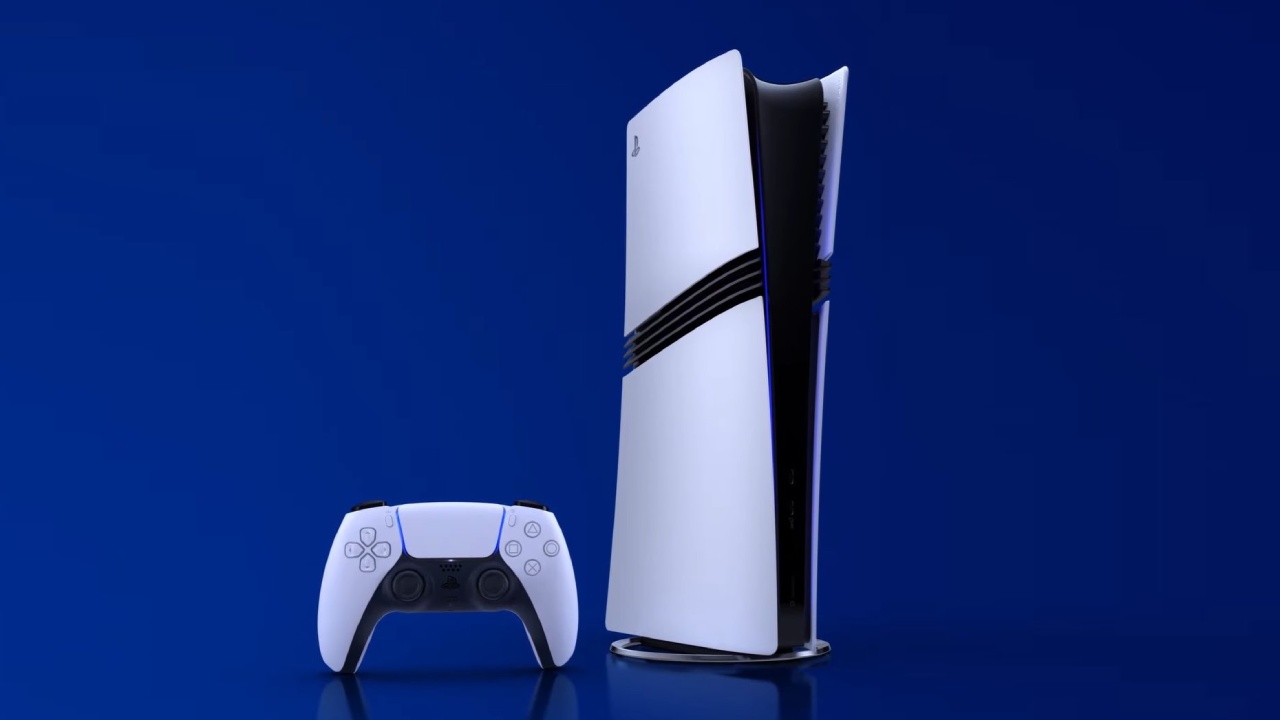
It is evident that the new PS5 Pro edition is more focused on making things more efficient than on making things faster after testing, weighing, and taking apart both units. The modifications make the console a little quieter, lighter, and more energy-efficient. The upgraded DualSense also gets a small facelift, but it still feels and works the same when you play.
These changes won't change your gaming experience very much, but they do show that Sony is still working to make production more efficient and improve the sound and heat of the console. This latest update adds small but useful changes to the PS5 Pro without changing what makes the console strong and useful.
Also, Check Our Other PS5 Pro Articles:
- PS5 Pro vs. PS5 Slim: Frame‑Rate, Graphics & Performance
- PS5 Pro vs. Radeon RX 9060 XT vs RTX 5060 Ti: Ultimate $700 Gaming Showdown
- ASUS ROG Ally PS5 Remote Play | How to do Remote play on PS5 Using Sony's Official Remote Play App
- Stream PS5 Games on Steam Deck OLED: Step-by-Step Installation and Configuration
- AI Upscaling on PS5 Pro: Can PSSR Finally Match DLSS?
- PS5 Pro vs. PS5 Slim vs. PS5 — Design, Storage, Specs, and Gaming
- PS5 Pro vs. Xbox Series X: Specs, Price, Storage, Customization, and Gaming
- PS5 Pro vs. PC Gaming: Comparison of Graphics, Frame Rates, and Price
Senior Editor, NoobFeed
Gaming Hardware Updates
No Data.