
MSI Claw 8 EX AI+ Sells Out at $1,800 Despite the Highest Handheld Price Yet
Rising component costs are pushing handheld gaming PCs toward prices once reserved for premium laptops and consoles.
Hardware by Nahe Yan on Jul 05, 2026
Handheld gaming PCs have moved well past their budget origins, and pricing across the category now reflects that shift directly. The launch of the MSI Claw 8 EX AI+ shows how far prices have climbed, how demand has responded anyway, and how that pricing compares against rivals like the Legion Go 2 and the Steam Deck OLED.
It has been a while since we last talked about the new MSI Claw 8 EX AI+, which is truly not the easiest name to remember. The new handheld has actually sold out at all major retailers for a few reasons, and we will get into that. It is impressive because this device costs $1,800.
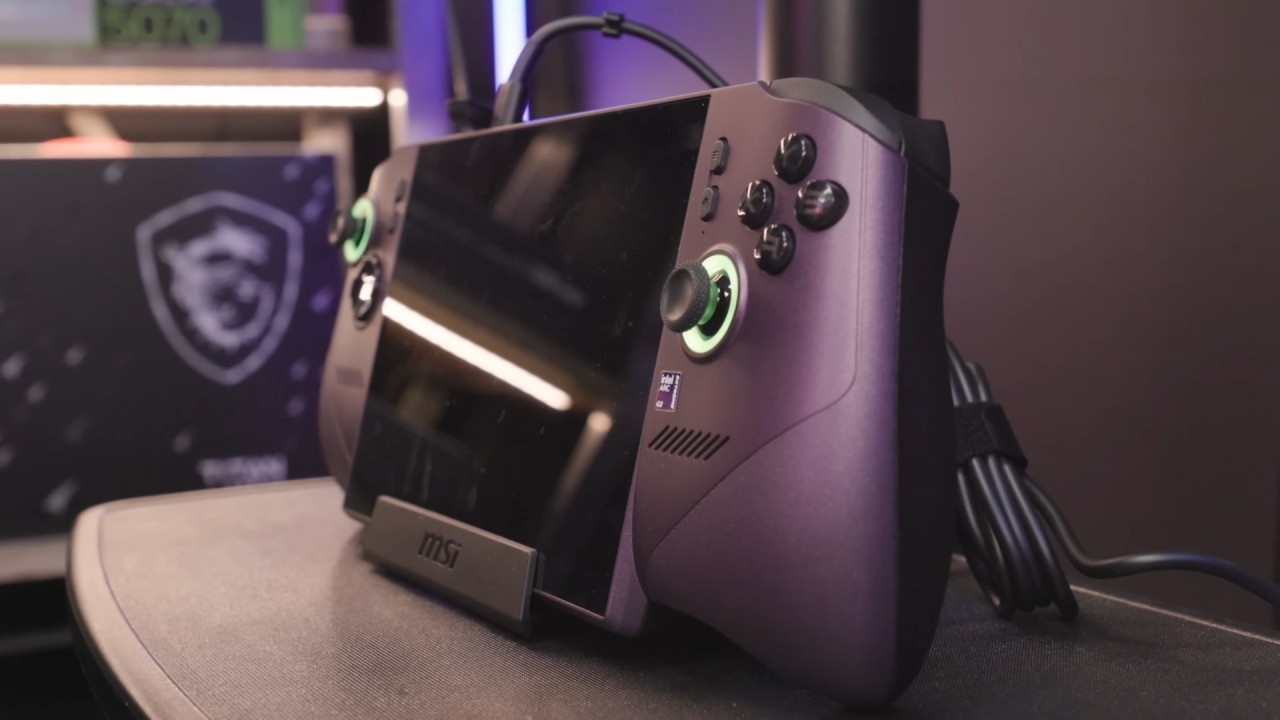
MSI's New Handheld Sells Out
With the current state of the RAM crisis and that inflated price point, it saw a price hike right before it went on sale, moving from $1,700 to $1,800. We are still surprised it went completely out of stock at several retailers. You cannot even pick one up in the store, and we do not know the status of online orders since they may be backordered.
Given the underwhelming performance gains we saw from the Z2 Extreme chips, our expectations for the new Panther Lake chips in the MSI Claw 8 EX AI+ were not high when the announcement first came out. But this is probably what we would describe as a next-generation PC handheld.
We are not saying it is a massive leap, but if you were to go from Ally 1 to Ally 2, this is the level of gap we would have expected, somewhere around a 25% performance increase. In some cases, that number is lower; in others, it is higher, but it still counts as an upgrade.
The $1,800 Price Against Boutique Handhelds
A lot of people react to that $1,800 price point, and we are not defending it, but it is not the highest one we have seen so far, especially among boutique manufacturers. Brands like AYN, GPD, and OneXPlayer have traditionally sold their handhelds, particularly their higher-end models, at or near this price point, and the MSI Claw 8 EX AI+ offers a real performance uplift for that cost.
On top of that, while this is likely the highest starting price for a handheld from a major manufacturer, it is not the most expensive handheld overall. The Legion Go 2, at least in its top-tier configuration, costs $2,000, which is $200 more for a device that is not $200 faster. In fact, the MSI Claw 8 EX AI+ is likely faster in most cases.
You might assume that a $2,000 price tag comes with more memory or storage, but that is not the case here. Both devices offer 1TB of storage and 32GB of memory. That said, the Legion Go 2 is not without its own strengths. Its OLED screen is a real benefit, and the versatility of its form factor, including the detachable controllers, is genuinely useful for certain people.
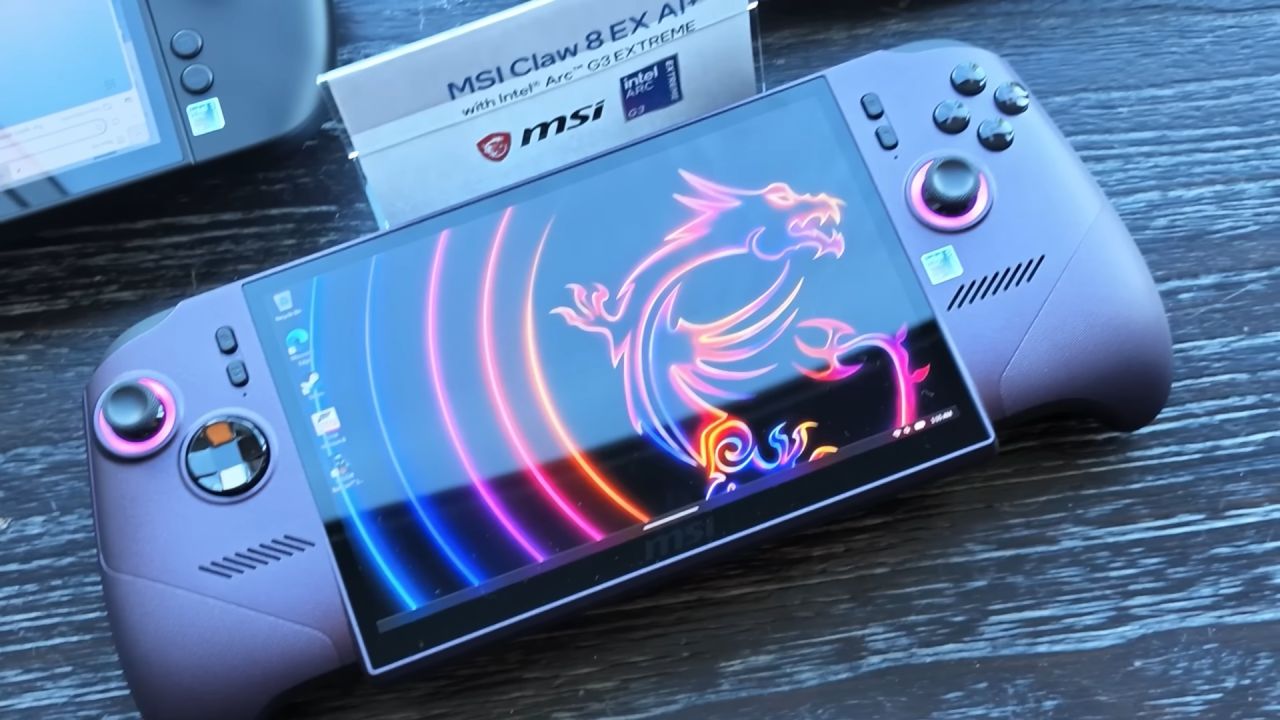
But performance and value matter most to us, which gives the MSI Claw the advantage. We do think the MSI Claw is an excellent device, and if someone had to choose one, we would recommend it. Still, we do not think the $1,800 price point is a good one, and for most people, it is not the right purchase.
If you are already set on buying something like this, you might as well get the best available option, which is why we would point you toward the Claw. It is genuinely striking that these units sold out at all. Best Buy reached out to MSI about restocking, and MSI said they would let Best Buy know when the units come back.
ROG Xbox Ally X Remains the More Accessible Alternative
This is probably the only new handheld we recommend outside of the ROG Xbox Ally X, since that option is inexpensive enough to justify its compromises. At $1,000, you can currently walk into a Best Buy and pick one up off the shelf within an hour, which is a meaningfully different experience.
At $800 cheaper than the MSI Claw, the ROG Xbox Ally X is slower, but you also save $800, which puts it in a different price category entirely. You might as well call it mid-range at this point. Especially given how high the Steam Deck's price has climbed since its own increases, we see this as the unfortunate, ongoing rise in what a PC handheld is expected to cost.
A few years ago, you could buy a Steam Deck, a full PC handheld, for $400, which feels hard to believe now, since that price point no longer exists and prices have only climbed since then. The cheapest Steam Deck available today is a 512GB OLED model priced close to $800, technically $789.
We do not think anyone should be buying that configuration. It makes more sense to spend the extra $50 and get a ROG Xbox Ally X with SteamOS installed instead, which is the better move in our view. We see the MSI Claw selling out in response to how expensive everything else has gotten.
The 1TB OLED, the top-tier Steam Deck, costs $950, nearly $1,000 for a Steam Deck.
At least MSI was upfront from the start about this device being expensive, even raising the price again right before the full announcement. Being honest about their intentions counts for something, and the fact that the device is currently unavailable shows it sold well. It stands out as the only option really worth pursuing if someone wants the best available handheld, since even Strix Halo-based devices remain difficult to find.
Panther Lake does not yet compete directly with Strix Halo-based handhelds, given how few there are, but it costs significantly less. Running at roughly 65% to 70% of Strix Halo's speed still counts as decently fast. You can expect to enjoy most games at 1080p on high to medium settings at or above 60fps, which remains a solid experience for most people. That is still faster than many other PC handhelds, including the Steam Deck.
Editor, NoobFeed
Gaming Hardware Updates
No Data.