
The Session Loop That Defines Modern Live-Service Gaming in 2026
Other by Ayaka Naomi on Apr 22, 2026
Most of the discussion about live-service games in 2026 still circles the same three or four titles, and there is a reason the loop feels inescapable. Fortnite Chapter 6 arrived in December 2024 with a remapped island and a tighter match length. Call of Duty: Warzone's Season 02 update in February 2026 trimmed the average Verdansk rotation by roughly 90 seconds.
Valorant's Episode 9 patch cycle, which began in July 2024, reshaped agent cooldowns so that competitive rounds converge faster in the mid-economy phase. Genshin Impact's Version 5.3 overhaul adjusted the daily commission timer so a clean run fits inside a 20-minute lunch window.
None of those changes were marketed as a revolution, but together they trace a deliberate craft: the modern session loop has been tuned down to the minute, because that is the unit of attention the industry now competes for.
That minute-level craft is not confined to the titles listed above. It has spread outward through adjacent digital-entertainment categories where the same cohort of players divides its evening attention.
Comparison sites that survey gamer-adjacent audiences now publish ranked lineups alongside their review hubs, and the top online casino options maintained on one large US review outlet reads much like a Metacritic panel for any other subscription category, with filterable tables, session-length notes, and onboarding walkthroughs written for readers who already think in game-design vocabulary.
The point is not that the two product categories are equivalent, because they are not. The point is that the design pattern is the same: a short, predictable loop, surfaced by a comparison layer, tuned to an audience that does not tolerate friction once it has picked a Saturday evening pastime.
Reading the Fortnite Chapter 6 Session Clock Against Its Predecessors
Fortnite Chapter 6 did something quiet and specific when it launched in December 2024. It shortened the time between squad drop and first meaningful engagement. The island layout funnels teams toward overlapping point-of-interest zones inside the first two minutes, and the new terrain traversal kit closes the distance faster than the grappler-driven Chapter 4 loop did.
A clean squad match now resolves in roughly 17 to 19 minutes where a late-Chapter 3 match sat closer to 22. Epic did not publish a white paper on that change, but the patch notes for the 32.10 and 33.00 updates read as a deliberate trim of downtime: fewer empty traversal seconds, tighter storm cadence, faster respawn rally points. The session now fits a single episode of a prestige drama, which is exactly the substitution target this generation of live-service design is measured against.
Why Valorant Still Reads as the Cleanest Competitive Loop in the Category
Valorant's Episode 9 and Episode 10 patch notes treated round pacing as a first-class design surface. Riot adjusted the economy so that a losing side reaches a meaningful counter-buy one round earlier than it did in Episode 7, and the agent rebalance that landed in Patch 9.07 shortened the average ultimate uptime on controllers like Brimstone and Omen.
The cumulative effect is a ranked game that resolves in roughly 33 to 36 minutes rather than the 40-plus minutes the meta tolerated in 2023. That compression matters because Valorant competes for the same weekday evening slot as streaming series, mobile match-three sessions, and short-form social feeds.
Riot's public engagement reporting through 2025 suggested that per-day session counts grew even as average session length fell, which is a signature of a loop that has been deliberately shortened for an audience that returns more often.
Warzone, Verdansk, and the Season 02 Trim of 2026
Call of Duty: Warzone's early-2026 Season 02 update removed the standard Verdansk battle royale playlist and folded its rotation into a tighter Black Ops Royale queue. The change landed in February 2026 and it reshaped average match length across the competitive rotation.
Where the prior Verdansk loop encouraged a long mid-game loot spiral, the Black Ops Royale rotation collapses the mid-game into a faster Gulag re-entry cycle and pushes teams toward a denser center-map fight.
Activision's community manager posts through February and March 2026 framed the shift as a response to player feedback about rotational fatigue, but the more interesting read is that the design team was willing to retire a flagship map to hold the pace of a session. That is the posture of a studio competing for minutes, not hours.
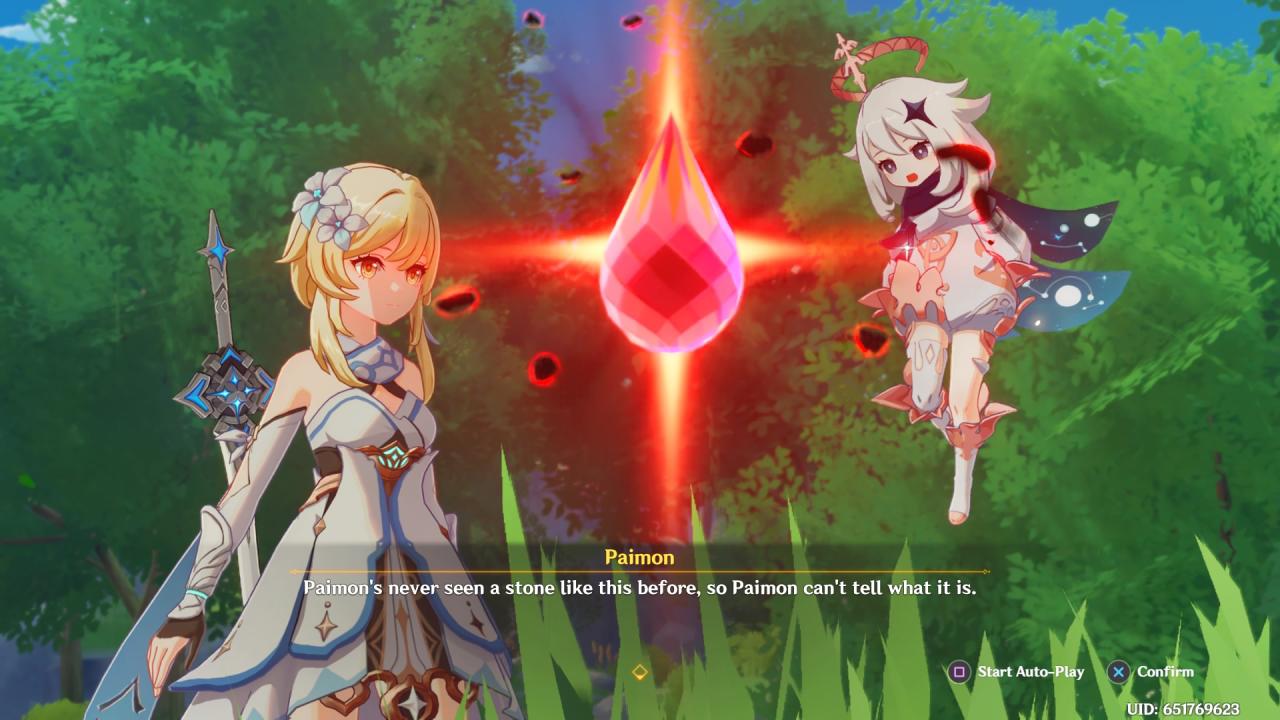
Genshin Impact's Daily Commission Window and the Mobile-First Template
Genshin Impact sits on the mobile-first side of the live-service ledger, and its Version 5.3 update in January 2026 tuned the daily commission flow so a committed player can complete the core daily loop, refresh resin, and close out event tokens inside a 20-minute window.
HoYoverse's patch notes cited quality-of-life tuning, but the underlying product decision is familiar: the session has to fit inside a lunch break, a commute, or a pre-dinner pocket of time. Competitor titles in the same slot, including Honkai: Star Rail and Wuthering Waves, have followed a similar compression path through 2025, and the pattern now reads as a category-wide convention rather than an accident.
The longer loops that once defined gacha RPG pacing have been pushed into optional endgame content, leaving the daily cadence as a short, predictable routine.
What a Live-Service Drought Actually Looks Like From the Audience Side
The minute-level tuning above has not stopped the category from feeling thin at the top in 2025 and early 2026. Several marquee launches lost the majority of their players inside the first month, and the ones that held onto their audiences tended to be long-running titles that had already solved the session-loop problem years earlier.
A recent coverage of the live-service shooter lull argued that Valorant's arrival expanded the comfort-shooter market because Riot already knew how to keep players returning to League of Legends, and that the same retention muscle translated cleanly into a new genre.
The underlying point holds across the wider category: operators that had a proven session loop before launch tended to stay, and operators that tried to engineer one on the fly tended to drain. Session design is a long, patient craft, and it does not survive a marketing-led launch window.
A Side-by-Side View of Session Loops Across Four Live-Service Flagships
The table below compares how four flagship live-service titles shaped their session loops across the 2025 and early-2026 patch cycles, using publicly available patch notes and community tracking as the source.
|
Title |
Average Session |
Core Loop Anchor |
2025 to 2026 Patch Move |
|
Fortnite Chapter 6 |
17 to 19 minutes per squad match |
Compressed drop to first engagement |
Chapter 6 island plus 33.00 cadence trim |
|
Valorant Episode 10 |
33 to 36 minutes per ranked game |
Economy pacing and ultimate uptime |
Patch 9.07 agent rebalance |
|
Warzone Season 02 |
22 to 24 minutes per Black Ops Royale round |
Gulag re-entry and center-map density |
Verdansk retired, Black Ops Royale queue |
|
Genshin Impact 5.3 |
18 to 20 minutes per daily core loop |
Commission window plus resin refresh |
Version 5.3 commission tuning |
The numbers are not a ranking. They are a map of how each studio answered the same question, which is how many minutes a returning player will actually give the game on a weekday evening. The loops vary in shape, but all four converge on a window short enough to fit alongside other evening entertainment.
Where the Wider Live-Ops Industry Sees the Loop Going Next
The live-ops discipline that sits behind these session-loop decisions has matured visibly over the last 18 months. Economic tuning grew more rigorous across mid-tier studios in 2025, templatized event formats reduced the cost of refreshing a seasonal calendar, and portfolio-level governance tools started to connect live data across multiple titles from the same operator.
The PocketGamer live-ops analysis for 2026 argues that personalization will be the dominant frontier in the coming year, with dynamic segmentation replacing the static cohorts studios have relied on since the mid-2010s.
Applied to the session loop, that shift means a single title will increasingly surface different pacing variants to different players within the same patch, so a competitive cohort and a casual cohort can experience the same game as two different session lengths. That is a significant architectural change, and it will probably drive the next round of retention reporting across the category.

Five Signals That a Live-Service Loop Has Been Tuned for 2026
The features below have shown up repeatedly across patch notes and post-launch interviews through the 2025 and early-2026 cycles. Together they describe what a healthy, modern session loop looks like from the outside.
- Published average match or session length that sits inside a single prestige-drama episode window.
- A compressed early game that reaches first meaningful engagement inside the opening two minutes.
- A re-entry mechanic (Gulag, respawn rally, death-to-action timer) under 45 seconds in competitive modes.
- A daily or weekly cadence that fits inside a 20-minute window rather than requiring an evening-long commitment.
- A seasonal event calendar that refreshes every six to nine weeks rather than every three to four months.
None of the five signals is a guarantee of retention on its own. Together they describe the shape of a loop that respects a returning player's schedule, which is the quiet prerequisite behind every long-running live-service success of the last three years.
Indie and Mid-Tier Studios Are Reading the Same Playbook
The template above is not limited to flagship publishers. Indie and mid-tier studios have been reading the same playbook through 2025 and applying it at smaller scale. Supergiant's patch cadence for Hades II after its September 2025 1.0 release held to a six-to-eight-week rhythm, which is tight by roguelike standards and closer to a live-service seasonal cadence.
Arrowhead's post-launch work on Helldivers 2 through 2025 leaned on short, themed major orders that resolve inside a weekend, which is a smaller cousin of the seasonal event loop. Mid-tier co-op titles like Deep Rock Galactic and Vermintide 2 have been running short rotational assignments for years, and those rotations are now read as a template rather than as an idiosyncrasy.
The session-loop craft has moved down the industry budget ladder faster than most other 2024 design trends, and the smaller studios are often the ones iterating on it the fastest.
Frequently Asked Questions
Why did session length become such a central design target?
Because the cohort that plays live-service games also watches streaming series, scrolls short-form video, and plays casual mobile games inside the same evening. A long, sprawling match competes against a 22-minute episode rather than against another game, and studios that hold to a long loop tend to lose the substitution battle.
Is a shorter session loop always better?
Not automatically. A loop that compresses too far can read as shallow, and some audiences still prefer longer flagship matches for weekend sessions. The healthier read is that the loop has to match the moment a returning player expects to spend in the game, which varies by platform and time of day.
How does live-ops differ from traditional patch planning?
Live-ops treats the post-launch content calendar as a product in its own right, with economic tuning, seasonal events, and telemetry-driven balance changes running on a shared schedule. Traditional patch planning tended to batch those into occasional major updates, which produced a slower feedback loop and a less predictable session pattern.
Do indie roguelikes and co-op games count as live-service?
They sit on the edge of the category. Hades II, Helldivers 2, and Deep Rock Galactic all run rotational content and seasonal events that behave like a live-service calendar, even though none of them lean heavily on a battle-pass economy. The label matters less than the session-design choices the studios make.
What should a player watch for when a new live-service title launches?
The most useful signals are average match length, the shape of the daily or weekly cadence, the re-entry time in competitive modes, and how often the seasonal calendar refreshes. A launch that publishes all four of those numbers clearly has usually thought through the session loop, and a launch that avoids publishing any of them often has not.
Moderator, NoobFeed
Latest Articles
No Data.