
Sony's Reported Reason for Dropping Physical PlayStation Games Isn't About Trends—It's About Profit
A new report claims PlayStation believes its digital audience is now strong enough to leave physical games behind, with higher profit margins becoming the biggest factor behind the decision.
Opinion by Mahi Araf on Jul 10, 2026
If you've been following PlayStation lately, you've probably noticed that the company has found itself under increasing criticism. It's not just the reported decision to stop releasing first-party games on physical discs beginning in January 2028 that's drawing attention.
Many fans have already been frustrated by price increases for PlayStation Plus without seeing much extra value in return, along with expensive projects like Concord and other releases that struggled to connect with players. Now, the shift away from physical games has become the latest flashpoint, especially because Sony is reportedly set to become the first major console manufacturer to abandon physical releases of its own games entirely.

What has made the reaction even stronger is the company's silence after the announcement. Aside from a brief memo citing changing "consumer trends," PlayStation hasn't publicly elaborated on why it believes this is the right direction.
That explanation has already been challenged by many people who argue that the numbers don't support it.
Critics say Sony's digital percentages often include titles that were never released physically in the first place, making digital adoption appear much higher than it really is. When you separate games that actually launched in both formats, physical sales remain much stronger than the company suggests.
A new report adds more context. After speaking anonymously with PlayStation employees, the report claimed that Sony's internal thinking is much simpler than its public messaging. According to those conversations, the company believes its digital audience has grown large enough that it no longer needs to cater to players who still want physical discs.
The idea is that physical buyers now represent a vocal minority rather than the majority of PlayStation customers.
Even if digital purchases continue to grow, that conclusion doesn't align with some of Sony's own prior sales data. Looking back at first-party PlayStation releases from just a few years ago, physical copies still accounted for a significant share of purchases. These weren't games from an era when digital downloads were still gaining traction either. Players already had equal access to both formats, yet many still chose to buy discs rather than download their games.
Aside from exceptions like MLB The Show, many of Sony's biggest exclusives reportedly sold better physically than some people expected. That makes the decision feel less like a response to changing habits and more like a deliberate shift in strategy.
The report also suggests retail stores won't disappear from the equation entirely. Instead of selling boxed games containing Blu-ray discs, PlayStation is expected to offer boxes that simply include a digital download code.
It's an approach players have already seen with some Nintendo Switch titles and lower-budget releases, but applying it to major PlayStation exclusives feels very different. Walking into a store to buy a premium first-party game only to receive a code instead of an actual disc changes what many people expect from a physical purchase.
Blu-ray discs themselves are relatively inexpensive to manufacture, making the change harder for some fans to understand. Internally, Sony reportedly believes players will eventually accept an entirely digital future. That assumption may make sense for games like Fortnite, annual sports titles, or Call of Duty, where many customers already purchase digital versions to access early editions and bonus content.

But extending that expectation across the entire gaming audience is another matter.
Physical media continues to have a dedicated following, and new companies focused entirely on producing boxed games continue to appear. That suggests demand hasn't disappeared. While some online criticism inevitably comes from people chasing engagement or controversy, many longtime PlayStation owners genuinely feel disappointed by the company's direction.
For many of those players, this has never been about rejecting digital games altogether. It's about preserving the choice between buying a disc or downloading a title. According to reports, Sony also appears confident that it doesn't need constant communication with its audience. The company reportedly trusts the strength of the PlayStation brand and believes loyal customers will continue supporting its digital ecosystem regardless.
That confidence could eventually be tested when the next PlayStation hardware launches.
Brand loyalty remains one of Sony's biggest strengths, but many of its most loyal customers have consistently supported physical media. Demon's Souls, for example, was a launch title for PlayStation 5, and while digital versions were readily available, apparently many gamers opted for physical copies.
The report eventually arrives at what many believe is the real reason behind the shift. Profit. When Sony sells a physical first-party game through retailers, stores receive a portion of the sale. Digital purchases remove that middleman entirely, allowing Sony to keep the full revenue. According to the report, eliminating physical games would significantly improve profit margins by directing all purchases through PlayStation's digital storefront.
This explanation is rather different from one in which consumer demand is simply followed. The approach seems more about squeezing the most money rather than reacting to shifting player behaviors. Even after posting record financial results and seeing PlayStation Plus generate enormous income, the company still has a strong incentive to increase profits even further.
From a business perspective, the reasoning is straightforward. Every company wants to earn more money. But many players feel there's a difference between building a healthy business and prioritizing higher margins when the company is already performing exceptionally well.
Gaming companies exist to create experiences people enjoy.
When the financial bottom line takes precedence over player performance, trust is bound to erode. The recent executive stock sales have also fed the skepticism of critics who say financial incentives are becoming increasingly obvious across the industry.
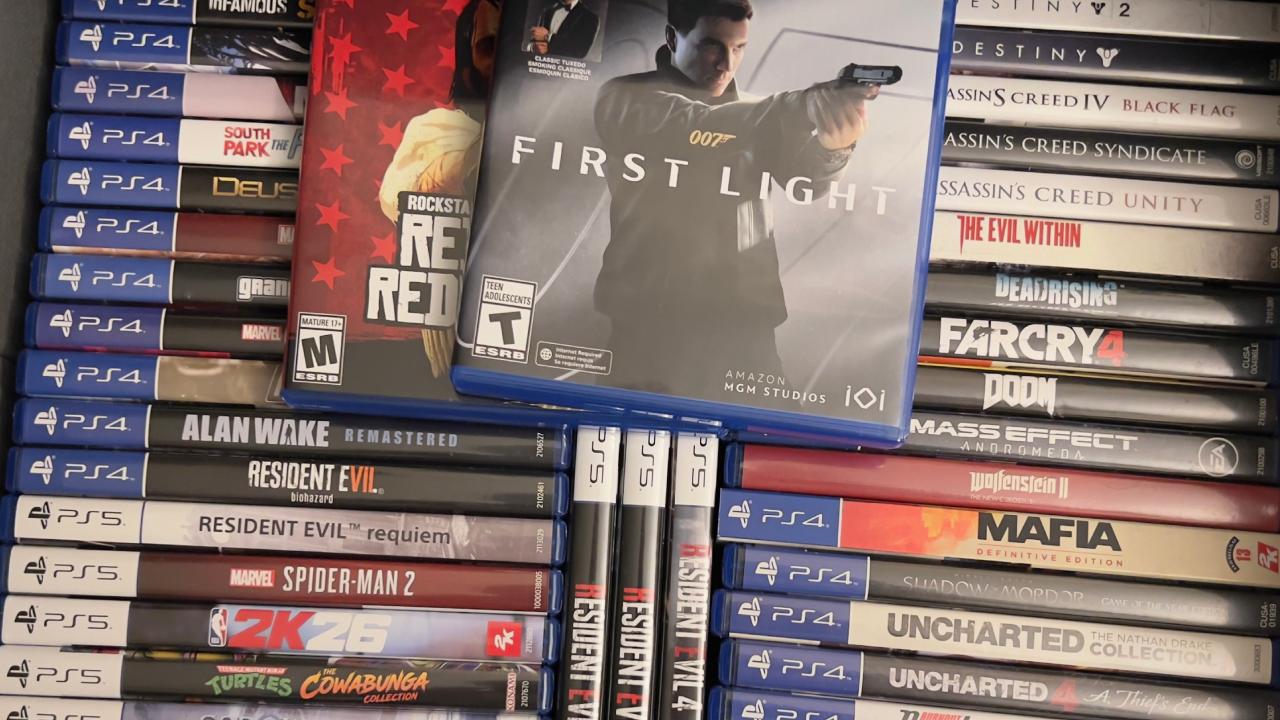
With console prices going up, subscription price hikes, and the ongoing discussion around AI and the increasing cost of development, many fans feel that gaming companies are asking consumers to bear more of the cost while still reporting record earnings.
PlayStation isn't the only one facing that criticism. Xbox has dealt with its own financial struggles, while Nintendo has also raised prices despite investing heavily in long-term expansion projects.
For critics of Sony's latest decision, the conclusion feels clear. Moving away from physical games isn't really about changing consumer trends. It's about gaining more control over distribution, increasing profit margins, and owning every part of the purchasing process.
The expectation appears to be that, even if players complain today, many will eventually return once the next major exclusive arrives. Despite continued criticism of blockbuster games, big releases like GTA 6 show their power in driving digital sales.
Whether that prediction ultimately proves correct remains to be seen.
For now, the debate surrounding physical media isn't disappearing. Many players continue buying boxed copies simply because they value ownership and choice. They know the fight may become harder over the next few years, but they also believe preserving physical games is worth supporting while the option still exists.
Senior Editor, NoobFeed
Latest Articles
No Data.